First Impressions
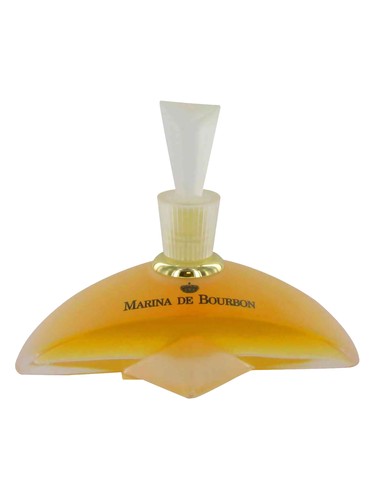
The first spray of Marina De Bourbon transports you directly to 1994, when fruity florals were reaching their zenith and no one apologized for sweetness. This is cassis and watermelon colliding with lemon in a burst that reads less like restraint and more like celebration—a fruit salad doused in simple syrup, garnished with citrus zest. There''s an immediate candied quality here, unabashed and unambiguous. The opening announces itself with confidence, perhaps even a touch of audacity, reminding you that subtlety wasn''t always the goal. Within seconds, you''re enveloped in a cloud that smells decidedly pink, decidedly joyful, and decidedly of its time.
The Scent Profile
Marina De Bourbon opens with a trinity of fruits that set the stage for everything to follow: cassis provides depth and a jammy richness, watermelon adds an aqueous sweetness that borders on candy, and lemon attempts—somewhat futilely—to provide balance. The lemon is there, certainly, but it''s more of a bright accent than a genuine counterweight to the sweetness barreling forward.
As the fragrance settles into its heart, passionfruit emerges as the star player, tangy and tropical, surrounded by ylang-ylang and jasmine that lend a floral legitimacy to what could otherwise be mistaken for flavored body spray. The florals here aren''t the point, though—they''re supporting actors in a production where fruit takes center stage. The ylang-ylang contributes a creamy, slightly indolic quality that adds dimension, while jasmine provides just enough white floral gravitas to remind you this is, technically, a perfume.
The base is where things become truly interesting, if somewhat chaotic. A melange of exotic fruits mingles with vanilla, peach, and raspberry in a combination that defies traditional pyramid logic. Rather than progressing cleanly from top to base, Marina De Bourbon seems to fold in on itself, with fruits appearing at every level. The vanilla provides a soft, sweet foundation that never quite reaches gourmand territory but certainly flirts with it. Peach adds a fuzzy, skin-like warmth, while raspberry contributes yet another layer of berry sweetness to an already fruit-saturated composition.
This is a fragrance that commits fully to its 100% fruity accord rating, with sweet notes coming in at 63% and vanilla at 24%. The fresh and aromatic accords hover at 20% and 18% respectively—present enough to prevent complete candy-store territory, but never dominating the conversation.
Character & Occasion
The community has spoken clearly on this one: Marina De Bourbon is a cold-weather companion. With fall scoring 100% and winter at 98%, this is definitively a cooler-season fragrance. That sweetness and density that might overwhelm in August humidity becomes comforting when temperatures drop. Spring registers at 62%—workable, particularly on cooler days—while summer limps in at 42%, suggesting you''d be fighting an uphill battle wearing this poolside.
The day/night split tells an equally clear story: 100% day, 73% night. This is a perfume for brunch, shopping trips, casual daytime gatherings. It has the exuberance of morning light rather than the mystery of evening shadows. The sweetness reads more playful than seductive, more approachable than sophisticated.
Who is this for? Someone who appreciates nostalgia, certainly. Anyone who came of age in the ''90s will recognize this fragrance''s DNA immediately—it shares genetic material with an entire generation of fruity florals that dominated department store counters. It''s also ideal for those who want presence without pretension, sweetness without apology, and who aren''t chasing the latest trends in perfumery.
Community Verdict
With a rating of 3.71 out of 5 from 2,770 votes, Marina De Bourbon sits comfortably in "well-liked" territory. This isn''t a polarizing masterpiece or a universally acclaimed classic, but rather a crowd-pleaser that knows its lane and stays in it. That rating, sustained across nearly 3,000 opinions, suggests consistency—you''re likely to get exactly what the majority experienced. It''s neither a hidden gem waiting to be discovered nor a disappointment waiting to happen.
How It Compares
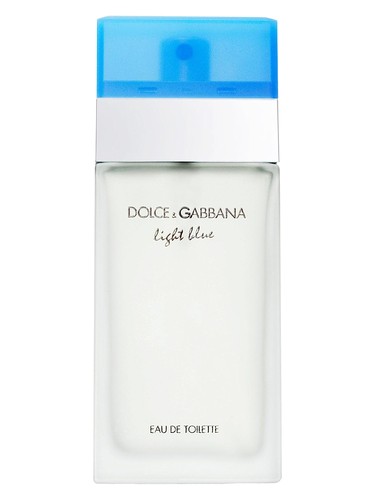
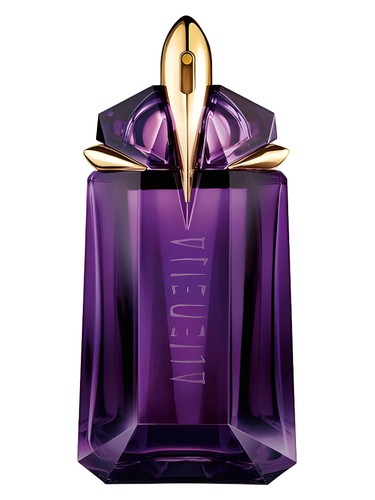
The similar fragrances list reads like a who''s who of the era and beyond: Laguna by Salvador Dali, Trésor by Lancôme, J''adore by Dior, Angel by Mugler, and Poison by Dior. This is fascinating company—from Trésor''s romantic warmth to Angel''s patchouli-vanilla revolution to Poison''s bombastic spice. What Marina De Bourbon shares with these heavyweights is presence and a refusal to whisper when it can sing.
Where it differs is accessibility. While Angel revolutionized gourmand perfumery and Poison redefined powerhouse fragrances, Marina De Bourbon takes a softer approach. It''s fruit-forward where Angel is caramel-dominant, sweeter where Poison is spicy, more casual where J''adore is sophisticated. It occupies the space between mall fragrance and designer statement—unpretentious but well-crafted.
The Bottom Line
Marina De Bourbon isn''t trying to be revolutionary, and that''s precisely its charm. This is a fragrance that understood its assignment in 1994 and continues executing it three decades later. The rating reflects its nature: solidly good, widely appreciated, occasionally beloved. It won''t change your life or redefine your relationship with perfume, but it will deliver exactly what it promises—a fruity, sweet, vanilla-kissed experience that smells like optimism in a bottle.
For those seeking modern niche complexity or challenging compositions, look elsewhere. But if you want something unabashedly sweet, comforting, and nostalgic—or if you''re simply curious about what everyone was wearing when Friends premiered—Marina De Bourbon deserves a sniff. At its price point, it offers substantial value for what it is: a time capsule, a mood lifter, and a reminder that sometimes perfume doesn''t need to be serious to be enjoyable.
AI-generated editorial review