First Impressions
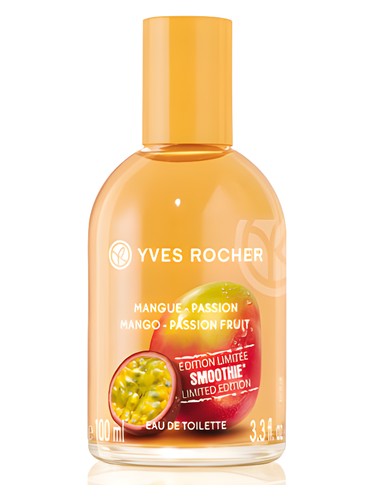
Spray Mangue and you''re instantly transported—not to a carefully curated tropical resort, but to something more genuine and joyful. This is the scent of biting into sun-warmed fruit at a beach market, juice running down your fingers, the kind of unself-conscious pleasure that defines the best summer days. Yves Rocher''s 2012 creation doesn''t whisper or seduce; it announces itself with unabashed tropical exuberance. The fragrance reads as purely, unapologetically fruity—sweet but not cloying, fresh without being sharp, and possessing that unmistakable terpenic edge that suggests real fruit rather than candy-counter approximation.
There''s an honesty to Mangue''s opening that feels refreshing in a market often dominated by complex architectural compositions. This is a fragrance that knows exactly what it wants to be and delivers without pretense. The name, French for "mango," sets expectations, and the scent delivers on that promise while expanding into a broader tropical fruit basket that feels both familiar and delightfully escapist.
The Scent Profile
While Mangue keeps its specific note breakdown close to the vest, its accord profile tells a vivid story. The dominant tropical character—registering at a full 100%—creates the backbone of this composition, supported by a robust fruity accord at 82%. What emerges is a multi-dimensional fruit experience rather than a single-note soliflore.
The opening suggests mango, certainly, but also hints at papaya, passion fruit, and perhaps a whisper of pineapple—that constellation of fruits that share a similar lush, slightly musky sweetness. The 64% sweet accord keeps things pleasurable without tipping into dessert territory, while the 22% fresh accord provides crucial lift, preventing the composition from becoming heavy or oppressive even in heat.
As Mangue settles, that 19% terpenic quality becomes more apparent—it''s the slightly green, resinous character you find in actual fruit skin, the aromatic oils that make fresh mango smell distinctly different from mango juice. This is what grounds the fragrance in reality rather than fantasy. The subtle 12% sour note acts as a brightness regulator, much like a squeeze of lime over fruit salad, keeping your nose engaged rather than numbed by unrelenting sweetness.
The evolution here isn''t dramatic—Mangue doesn''t tell a story with distinct chapters. Instead, it maintains its tropical character throughout, with minor shifts in emphasis as the fresher elements recede and the sweeter, deeper fruit notes come forward. Think of it as a slow sunset over the same beautiful beach rather than a journey through different landscapes.
Character & Occasion
The community data reveals Mangue as an overwhelmingly seasonal specialist—100% suited to summer wear, with a modest 22% approval for spring. This is not a year-round player, and it doesn''t pretend to be. When temperatures rise and heavier fragrances feel suffocating, Mangue comes into its own.
The day/night split is equally definitive: 85% day versus a mere 4% night. This is a sunshine fragrance through and through—perfect for weekend farmers market runs, beach days, outdoor brunch, vacation wear, or simply making a Tuesday at the office feel a bit more escapist. It''s the olfactory equivalent of a sundress and sandals: casual, cheerful, and refreshingly uncomplicated.
Yves Rocher positioned this as a feminine fragrance, and the sweet-fruity profile certainly aligns with traditional gendered marketing. However, anyone drawn to tropical fruit scents and unbothered by convention would wear this beautifully. It''s particularly well-suited to those who want fragrance to be a mood-lifter rather than a sophisticated statement—younger wearers discovering their scent preferences, or anyone who prioritizes joy and accessibility over complexity.
Community Verdict
With 379 voters awarding Mangue a solid 3.86 out of 5, the community consensus suggests a fragrance that delivers on its promise without claiming to reinvent the wheel. This isn''t niche perfumery commanding cult devotion, but neither is it a forgettable throwaway. The rating places it firmly in "very good" territory—a fragrance that does what it sets out to do with competence and charm.
The substantial vote count indicates real wearing experience rather than speculative reviews, and that nearly 4-star rating suggests consistent satisfaction. People seem to appreciate Mangue for what it is: an accessible, pleasant, seasonally-appropriate option that brings genuine enjoyment without demanding deep analysis or appreciation.
How It Compares
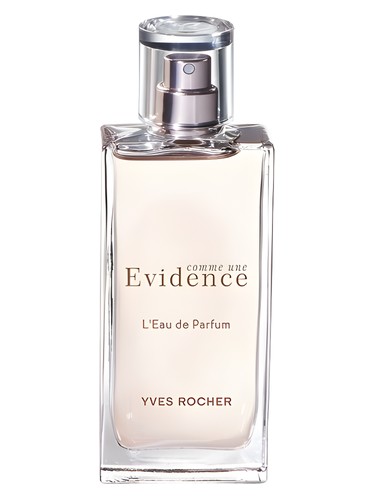
Yves Rocher clearly found a successful formula in their fruity collection, as Mangue shares DNA with house siblings Fraise Mara des Bois and Framboise 2010—both exploring different corners of the fruit bowl with similar accessibility. The comparison to FlowerParty, another Yves Rocher creation, suggests the brand''s consistent approach to easy-wearing, mood-boosting compositions.
More intriguingly, the similarity mentions include Dolce & Gabbana''s L''Imperatrice 3 and Lancôme''s La Vie Est Belle—both significantly more expensive and marketed as prestige offerings. While Mangue likely lacks the complexity and longevity of these department store staples, the connection suggests it captures some of that fruity-fresh aesthetic at a fraction of the price point. For those drawn to tropical fruit notes but unwilling to invest heavily, Mangue offers a compelling entry point.
The Bottom Line
Mangue succeeds by embracing simplicity and seasonality without apology. This is summer bottled—no more, no less. The 3.86 rating reflects a fragrance that knows its lane and stays in it: cheerful, tropical, undemanding, and genuinely pleasant to wear when the weather cooperates.
Yves Rocher''s accessible pricing makes this a low-risk exploration for anyone curious about tropical fragrances or looking to expand their warm-weather rotation. Don''t expect all-day longevity or transformative complexity, but do expect to smile when you wear it. In a category often dominated by either syrupy artificial fruit or expensive niche interpretations, Mangue carves out a sweet spot: genuine enough to feel real, simple enough to wear without overthinking, and affordable enough to spray generously.
Who should try it? Anyone building a summer fragrance wardrobe, fans of uncomplicated fruit scents, or those seeking an affordable alternative to pricier tropical offerings. Just remember: when the leaves start turning, give Mangue a rest. This is a fair-weather friend in the very best sense.
AI-generated editorial review