First Impressions
The first spray of Madurai announces itself with the confidence of a temple bell at dawn. This is white floral perfumery without apology—a lush, enveloping cloud that immediately establishes its dominant character. Named after the ancient South Indian city renowned for its Meenakshi Temple, Memo Paris''s 2022 release doesn''t ease you into its vision. The opening is both bold and soft, where aromatic freshness meets the creamy richness of tuberose in a way that feels more like walking through temple gardens than standing inside incense-filled corridors. There''s an artistic quality here that matches the house''s signature aesthetic, though whether the fragrance lives up to its evocative inspiration remains a matter of some debate.
The Scent Profile
While Memo Paris has kept the specific note breakdown close to the vest, the accord structure tells a revealing story. Madurai is first and foremost a white floral composition—this accord registers at 100%, forming the absolute backbone of the experience. The tuberose presence (34%) provides that characteristic creaminess, walking the line between indolic richness and clean floralcy.
What keeps this from being a straightforward tuberose soliflore is the 53% aromatic accord that weaves through the composition, lending an herbal freshness that prevents the flowers from becoming too heavy or cloying. This aromatic quality likely provides the "temple" aspect—perhaps suggesting the green notes of tropical plants surrounding sacred spaces, or the slightly camphorous quality of certain Indian flowers.
The 43% fruity accord adds an unexpected dimension, softening the white florals with a subtle sweetness that never crosses into gourmand territory. It''s more suggestion than statement—a sun-ripened quality that enhances the warmth without drawing attention to itself. The warm spicy element (37%) provides grounding, hinting at the exotic without overwhelming the composition with typical chai spice clichés.
As Madurai settles, the powdery accord (34%) emerges, creating a soft-focus effect around the white florals. This isn''t vintage face powder density, but rather a contemporary, sheer powderiness that adds texture and diffusion. The overall effect is surprisingly wearable for something so dominated by white florals—this is temple-inspired luxury that doesn''t demand you worship at its altar.
Character & Occasion
The data speaks clearly: Madurai is a warm-weather darling. Spring scores 100%, with summer close behind at 95%, making this quintessentially a season of sun and warmth. The sharp drop to 52% for fall and 24% for winter confirms what the nose already knows—those heavy white florals need heat to truly bloom and diffuse properly. In cold weather, the composition likely sits too close, potentially turning soapy or overly powdery.
The day versus night breakdown (89% day, 35% night) positions this firmly in daylight territory. This isn''t a seductive evening white floral à la Fracas or Carnal Flower. Instead, it''s the kind of scent you wear to a summer garden party, an outdoor wedding, or while wandering through botanical gardens on a spring afternoon. The aromatic and fruity elements keep it fresh enough for professional settings, though the tuberose heart ensures you won''t go unnoticed.
This is feminine-leaning perfumery in the traditional sense—unapologetically floral, unabashedly pretty. Those seeking gender-neutral minimalism should look elsewhere.
Community Verdict
The Reddit fragrance community approaches Madurai with cautious interest, reflected in a mixed sentiment score of 6.5/10. This moderate enthusiasm speaks volumes about the challenge of creating India-inspired fragrances for a Western audience.
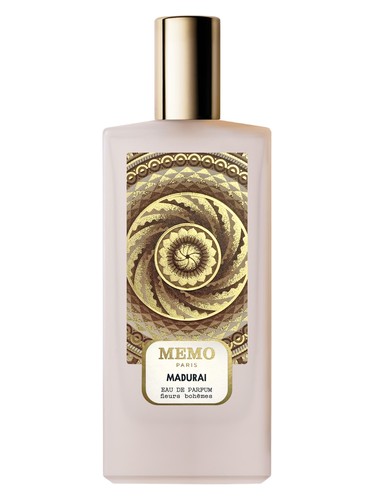
The positives are clear: that stunning Memo Paris bottle design with its artistic paintings garners consistent praise, and the conceptual inspiration of Indian temples intrigues collectors seeking something beyond typical French florals. As part of a respected niche house, Madurai benefits from Memo Paris''s reputation for quality and artistic vision.
However, the cons reveal why the enthusiasm remains tempered. With only 14 community opinions forming the basis of this data, Madurai hasn''t achieved the widespread discussion its siblings in the Memo Paris line enjoy. The fundamental question—does the Indian temple inspiration translate into an authentic, transportive experience, or does it fall into the "hit-or-miss" category of Orientalist perfumery?—remains only partially answered.
The community identifies the ideal audience clearly: niche collectors, those specifically seeking exotic temple-inspired scents, art and design enthusiasts who appreciate the total package, and anyone building a warm-weather rotation.
How It Compares
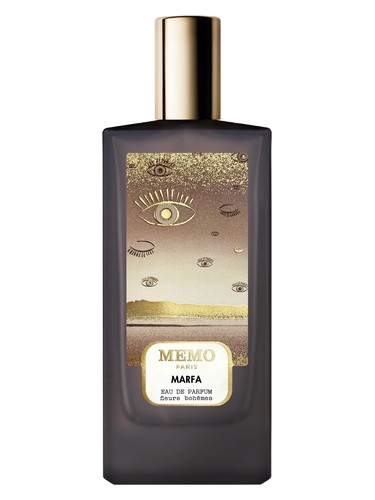
The similar fragrances list places Madurai in interesting company. Marfa by Memo Paris, its stablemate, shares that artistic vision and quality execution, though heading in a completely different olfactive direction. Sunshine Woman by Amouage suggests Madurai occupies similar territory in the luxurious white floral space, while Tilia by Marc-Antoine Barrois points to shared aromatic-floral sensibilities.
Blanche Bête by Les Liquides Imaginaires and Ani by Nishane as comparisons hint at the exotic, slightly unconventional character that prevents Madurai from being just another pretty tuberose. These aren''t safe, commercial florals—they''re niche creations with specific points of view.
The Bottom Line
With a rating of 4.03 out of 5 from 1,442 votes, Madurai sits comfortably in "very good" territory without reaching masterpiece status. This seems fair for a fragrance that executes its vision competently while perhaps not fully transcending its inspirational source material.
The limited community feedback suggests this isn''t a must-have that generates obsessive discussion, but rather a solid option for specific needs. If you''re seeking a sophisticated white floral for warm weather that offers something beyond the usual suspects, Madurai deserves consideration. The artistic bottle alone makes it a beautiful addition to any collection.
However, approach with measured expectations if you''re seeking an authentically transportive journey to South Indian temples. This is a French perfume house''s interpretation of an exotic theme—beautifully rendered, certainly, but filtered through the lens of Western niche perfumery aesthetics.
Best for those who already love white florals and want a version with an aromatic, slightly exotic twist. Skip it if you''re tuberose-averse or prefer your India-inspired scents to lean heavily into spice and incense. At this price point in the niche category, sample before committing—though that stunning bottle might just seal the deal regardless.
AI-generated editorial review