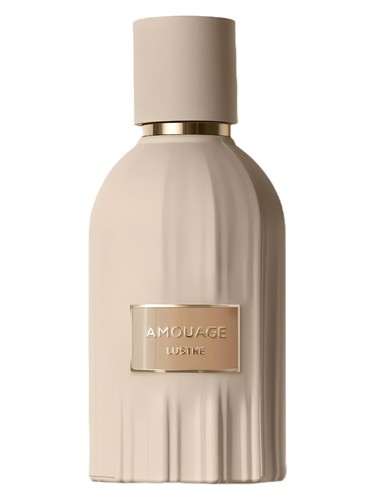
First Impressions
The first spray of Lustre feels like stepping into a velvet-draped chamber where incense smoke curls lazily through shafts of amber light. Cardamom announces itself immediately—not the bright, citrusy cardamom of chai, but something earthier, almost mineral in quality. It''s joined by orris, that most aristocratic of materials, which lends a cool, powdery sophistication that somehow manages to feel both vintage and thoroughly modern. This opening is deceptive in its restraint; there''s power here, but it whispers rather than shouts.
What strikes you within minutes is the seamless melding of spice and powder. Where other fragrances might present these elements in sequence, Lustre weaves them into a single, cohesive impression. The cardamom''s warmth doesn''t clash with the orris''s coolness—instead, they create a temperature-shifting effect on the skin, simultaneously warming and soothing. It''s an opening that demands attention without begging for it, a quality that defines Amouage''s approach to modern luxury.
The Scent Profile
As Lustre settles into its heart, the composition reveals its woody architecture. Sandalwood forms the backbone—creamy, smooth, and substantial—while cedarwood adds a drier, pencil-shaving quality that prevents the blend from becoming too sweet. Patchouli threads through both, earthy and slightly camphorous, lending depth and shadow to what could otherwise feel too polished.
This middle phase is where Lustre earns its name. The woods don''t sit heavily on the skin; instead, they create a luminous haze, like light filtered through precious stones. The interplay between sandalwood''s creaminess and cedarwood''s dryness creates movement, a push-pull that keeps the composition from settling into static prettiness.
The base is where Amouage''s mastery of resinous materials becomes undeniable. Myrrh and benzoin form the foundation—ancient, smoky, slightly medicinal in the way that church incense can be. Labdanum adds a leathery, ambery warmth, while styrax contributes a sweet, balsamic smokiness. Ambrarome (a synthetic ambergris note) provides the glowing amber quality that dominates the accord profile, enveloping everything in golden warmth.
The vanilla and tonka bean are present but restrained, adding subtle sweetness rather than gourmand indulgence. Cypriol (a woody, smoky ingredient derived from a type of papyrus) contributes an earthy, slightly vetiver-like facet that grounds the sweeter elements. This base lingers for hours, evolving slowly, the powder never quite disappearing but instead becoming more integrated with the woods and resins as time passes.
Character & Occasion
Lustre is unequivocally a cold-weather fragrance. The data speaks clearly: fall wearers rate it at 100%, winter at 97%. This makes perfect sense—the warm spicy and woody accords (77% and 76% respectively) need cooler air to truly shine. In spring, it maintains 58% approval, suggesting it could work on those transitional days when mornings are crisp. Summer, at 22%, is decidedly not Lustre''s season; its density and warmth would likely feel stifling in heat.
The day-to-night split is revealing: 66% for day versus 87% for night. Lustre can certainly be worn during daylight hours, particularly in professional or creative settings where a sophisticated presence is appropriate. But it truly comes alive in evening contexts—dinners, cultural events, intimate gatherings where its complexity can be appreciated up close. This is a fragrance that benefits from proximity, from being discovered rather than announced from across a room.
Who is Lustre for? Those who appreciate the artistry of iris, who understand that powder can be sophisticated rather than old-fashioned, who seek fragrances that reward contemplation. It''s for someone whose wardrobe already includes several Amouage bottles, or who''s ready to explore beyond safer commercial releases into truly niche territory.
Community Verdict
The fragrance community approaches Lustre with a mixture of admiration and pragmatic hesitation. With a sentiment score of 7.5/10 based on 25 opinions, the reception is decidedly positive—but qualified.
The praise centers on Lustre''s unique profile: that distinctive powdery-smoky character that manages to feel both familiar and unexpected. Commenters consistently highlight the quality of materials and construction, noting it as exemplary of Amouage''s craftsmanship. Several mention that Lustre sparked their interest in exploring similar note combinations, suggesting it serves as an effective ambassador for this particular style of perfumery.
But the elephant in every discussion is the price: $450. This isn''t just expensive; it''s prohibitively so for most buyers. Community members repeatedly cite this as the primary barrier, with many expressing that while they appreciate the scent''s quality, they cannot justify the cost. The limited direct feedback on performance and longevity also gives some pause—at this price point, expectations for projection and staying power are understandably high.
The niche appeal is acknowledged without apology. This isn''t a crowd-pleaser, and the community recognizes that. It''s positioned as a special occasion scent, something for luxury wear rather than daily rotation.
How It Compares
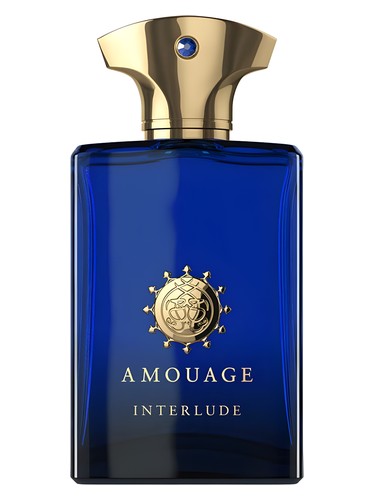
Within Amouage''s own catalog, Lustre shares DNA with several siblings. Reasons, Interlude Black Iris, Boundless, Decision, and Outlands all occupy similar territory—complex, resinous, unapologetically bold. What distinguishes Lustre is its emphasis on the powdery aspect, that prominent iris-orris character that softens what could otherwise be an aggressively woody or spicy composition.
In the broader landscape of high-end amber fragrances, Lustre occupies a specific niche: sophisticated powder meets smoky resin. It''s less overtly sweet than many amber fragrances, less animalic than classic ambers, more textured than linear oriental scents.
The Bottom Line
Lustre''s rating of 3.87 out of 5 from 588 votes tells a nuanced story. This is solid, not spectacular—and that gap between perfume quality and numerical rating likely reflects the price-to-value calculation many voters are making. The fragrance itself is beautifully constructed, genuinely distinctive, and executed with obvious skill.
But $450 is a serious ask. At this price, Lustre competes not just with other niche fragrances but with the decision to buy multiple bottles instead of one. The value proposition depends entirely on individual circumstances and priorities. For collectors seeking to complete their Amouage wardrobe, for those who''ve been searching for exactly this combination of powdery iris, warm woods, and smoky resins, the price might feel justified. For most others, this remains aspirational—something to sample, appreciate, and perhaps revisit when circumstances allow.
Should you try it? Absolutely, if you have access to a sample or a generous counter. Lustre represents a particular aesthetic achievement, a demonstration of what''s possible when budget isn''t the primary constraint. Whether you should buy it is a more personal calculation, one that balances artistic appreciation against practical reality. In the end, Lustre doesn''t apologize for what it is: uncompromisingly luxurious, deliberately sophisticated, and decidedly expensive.
AI-generated editorial review