First Impressions
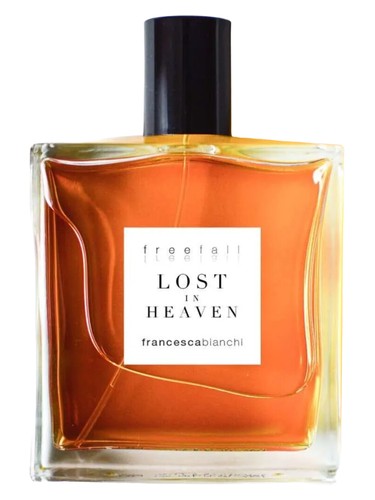
The name suggests rapture, transcendence, perhaps even innocence. The reality? Francesca Bianchi''s Lost In Heaven is anything but innocent. This is a fragrance that announces itself with unabashed sensuality—a woody, amber-drenched embrace that hovers somewhere between the sacred and the profane. The opening doesn''t flutter or tease; it envelops. There''s an immediate warmth, a golden haze that feels like stepping into a dimly lit boudoir where incense mingles with skin musk and forgotten love letters. With its dominant woody accord at full intensity and amber trailing close behind at 90%, this is a perfume that demands attention without ever raising its voice.
The Scent Profile
Without specified individual notes, Lost In Heaven reveals itself through its architectural accords—and what a structure it builds. The woody foundation forms the skeleton of this composition, creating a framework that''s neither sharp nor green but rather resinous and honeyed. This isn''t driftwood or pencil shavings; it''s the warm, amber-varnished wood of antique furniture, centuries-old church pews, precious boxes that once held treasures.
The amber accord, registering at 90%, weaves through everything like golden thread through tapestry. It brings a balsamic richness, that classic perfumery warmth that recalls labdanum and vanilla without being explicitly either. But here''s where Bianchi shows her mastery: the powdery element at 83% prevents the amber from becoming too heavy or cloying. This powderiness has a vintage quality—think face powder compacts, iris root, the soft haze that surrounds classic French perfumes. It adds refinement to what could otherwise become overwhelming.
Then comes the surprise: a significant animalic presence at 79%. This is the fragrance''s beating heart, the element that transforms it from pretty to provocative. There''s a skin-like quality, something faintly sweaty, intimate, human. It''s the difference between smelling a perfume and smelling a person wearing perfume. The animalic notes add depth and a whisper of something primal beneath all that refinement.
Sweetness registers at 73%—not candy-sweet, but the sweetness of aged resins, of skin warmed by sun, of honey darkened by time. Yellow florals peek through at 59%, likely lending a vintage indolic quality that reinforces both the powder and the animalic facets. The overall effect evolves slowly, revealing different facets as it warms on skin, though the core character—woody, ambery, provocative—remains constant throughout its wear.
Character & Occasion
Lost In Heaven is unequivocally a cold-weather companion. The data tells the story clearly: fall scores 100%, winter follows closely at 92%, while summer limps in at a mere 17%. This is a fragrance that needs the contrast of cold air, the excuse of heavy coats and wool scarves. In warm weather, its intensity could overwhelm; in autumn and winter, it becomes an invisible cashmere wrap.
The day/night split is revealing: 68% day, but 86% night. Lost In Heaven can certainly be worn during daylight hours—its powdery refinement keeps it from being aggressively evening-only—but it truly comes alive after dark. This is a date night fragrance, a dinner party scent, something for intimate gatherings rather than office meetings. The animalic undertones and amber warmth create an aura that''s decidedly more boudoir than boardroom.
Who should wear this? Someone who appreciates vintage-style perfumery but wants something less formal than a strict chypre or aldehydic floral. Someone comfortable with perfumes that suggest rather than shout, that create an intimate scent bubble rather than broadcasting across rooms. The feminine classification feels accurate—there''s a definite softness here—but anyone drawn to amber-woody compositions with character could wear it beautifully.
Community Verdict
Here''s where we encounter unusual silence. Despite 942 votes yielding a respectable 3.9/5 rating, the Reddit fragrance community hasn''t provided substantial discussion about Lost In Heaven in the analyzed opinions. This absence itself is worth noting—sometimes niche fragrances fly under the radar of online discourse while maintaining devoted followings through word-of-mouth and specialty boutiques. The solid rating suggests those who''ve tried it generally appreciate what Bianchi has created, even if they''re not filling forums with prose about it. The lack of vocal criticism might indicate a fragrance that delivers on its promises without particular controversy—a well-executed vision that speaks for itself.
How It Comparisons
Lost In Heaven sits within a constellation of Francesca Bianchi creations, showing clear DNA connections to Sex and the Sea Neroli, Under My Skin, The Lover''s Tale, and Angel''s Dust. Bianchi has built a reputation for perfumes that balance refinement with rawness, elegance with eroticism, and Lost In Heaven exemplifies this aesthetic perfectly.
The comparison to Guerlain''s Shalimar Eau de Parfum is telling. Both share that classic amber-powder-vanilla architecture, that vintage sensibility, that suggestion of old-world glamour. Where Shalimar leans into citrus and vanilla, Lost In Heaven emphasizes wood and animalism, making it perhaps slightly more contemporary while maintaining vintage soul.
Within the amber-woody category, Lost In Heaven distinguishes itself through its animalic facet and powdery sophistication. It''s less overtly gourmand than many modern ambers, more textured and complex than simple amber soliflores.
The Bottom Line
A 3.9/5 rating from nearly a thousand voters suggests Lost In Heaven hits its mark consistently, if not universally. This isn''t a fragrance that will convert those who dislike amber, woody, or animalic notes—it embraces these elements too fully for diplomatic fence-sitting. But for those who crave perfumes with backbone, who appreciate the marriage of vintage sensibility and modern execution, this is absolutely worth exploring.
The lack of specified concentration information makes longevity assessment difficult, though given the intensity of the accord structure, expect substantial presence and sillage. The Francesca Bianchi brand operates in the artisanal niche tier, so pricing reflects hand-crafted quality rather than mass-market accessibility.
Should you try it? If you''ve ever loved Shalimar but wished it had more edge, if you appreciate animalic notes when handled with sophistication, if your fragrance wardrobe leans heavily into fall and winter—absolutely. Lost In Heaven earns its evocative name not through ethereal lightness but through the rapture of sensory richness, the heaven found in earthly pleasures rather than ascetic denial. It''s Bianchi''s invitation to get lost in amber warmth, woody depth, and the provocative space where powder meets skin.
AI-generated editorial review