First Impressions
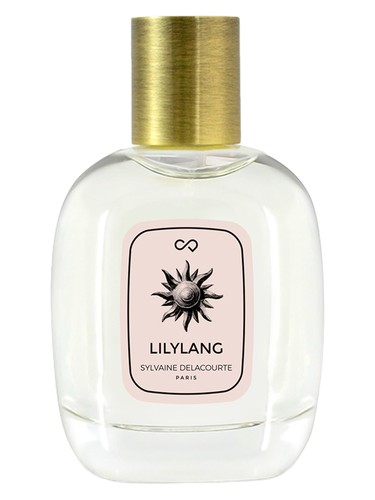
The first spray of Lilylang unfolds like stepping into a conservatory at dawn—bright, dewy, and humming with anticipation. There''s an immediate burst of bergamot and mandarin orange that feels like sunshine converted into liquid form, but this citrus opening doesn''t linger alone for long. Within moments, tuberose emerges, not as the heavy, intoxicating presence it often becomes in white floral compositions, but rather as something more yielding and golden. This is the signature move of Lilylang: it positions itself squarely in that liminal space between yellow florals and white florals, achieving a near-perfect balance (100% and 99% respectively in its accord profile) that gives it a radiant, approachable warmth rather than the cool sophistication or tropical heaviness we often associate with either category.
The Scent Profile
The architecture of Lilylang reveals Sylvaine Delacourte''s deliberate approach to modern florals. Those opening notes of tuberose, bergamot, and mandarin create an impression that''s simultaneously fresh and substantial—a tricky balance that many perfumes attempt but few achieve with this level of finesse. The tuberose here isn''t shy, registering at 63% in the overall composition, but it''s softened by the citrus duo in a way that keeps it from overwhelming.
As the fragrance settles into its heart, something interesting happens: musk arrives early, intermingling with jasmine and an unexpected twist of lime. This is where Lilylang distinguishes itself from more traditional white floral routes. The musk (clocking in at 95% of the overall accord structure) doesn''t wait politely in the base notes as conventional pyramid structures would suggest. Instead, it threads through the middle phase, creating a soft-focus effect around the jasmine and lime. That lime note is particularly clever—it extends the citrus narrative from the opening but with a sharper, more aromatic edge that prevents the florals from becoming too plush or creamy.
The base brings ylang-ylang and pink pepper into the conversation, though by this stage, they''re supporting players rather than stars. The ylang-ylang reinforces that yellow floral signature, adding its characteristically fruity-floral depth, while the pink pepper provides just enough textural interest to keep the composition from floating away entirely into softness. Throughout the entire development, there''s a persistent sweetness (75%) that acts as a binding agent, giving Lilylang an approachable, sun-warmed quality that never tips into cloying territory.
Character & Occasion
The data tells a clear story about Lilylang''s identity: this is a fragrance designed for daylight. With a 100% day rating and only 12% for night, it''s unapologetically a daytime scent, and it embraces that role with confidence. The seasonal breakdown reinforces this sunny disposition—spring claims 87% suitability and summer 83%, while winter trails at a modest 23%. This isn''t a criticism but rather an acknowledgment of purpose. Lilylang knows exactly what it is: a warm-weather companion that thrives in natural light.
Picture it at a garden lunch, during a morning meeting where you want to feel polished but not imposing, on a weekend shopping trip, or worn to the office when the weather finally breaks after a long winter. The musky-floral character has enough sophistication for professional settings while maintaining an ease that works equally well for casual contexts. This is a fragrance that won''t announce your arrival or linger dramatically in your wake—instead, it creates an intimate aura that invites closeness without demanding attention.
The feminine designation feels appropriate here, not because of rigid gender rules, but because of the specific way Delacourte has balanced these traditionally feminine notes. There''s a softness and sweetness that aligns with classic feminine fragrance aesthetics, though anyone drawn to fresh, musky florals would find pleasure in it.
Community Verdict
With 416 votes landing at a solid 3.78 out of 5, Lilylang occupies interesting territory. This isn''t a polarizing masterpiece that splits opinion, nor is it a safe crowd-pleaser shooting for universal approval. Instead, that rating suggests a well-executed fragrance that delivers exactly what it promises. The relatively robust voting pool indicates genuine interest, and the score sits comfortably in "very good" territory—high enough to recommend with confidence, realistic enough to set proper expectations.
How It Compares
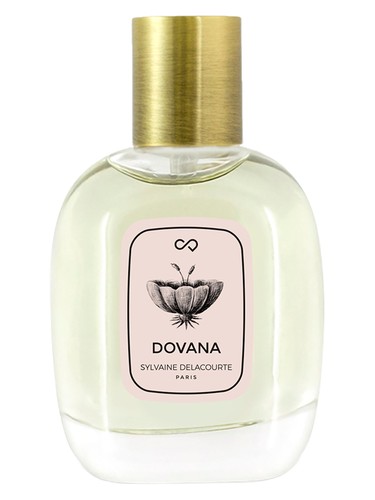
The similar fragrances in Lilylang''s orbit paint a picture of its aesthetic lineage. Guerlain''s Terracotta Le Parfum shares that sun-kissed, vacation-in-a-bottle sensibility, while Coco Eau de Parfum offers a more vintage take on white florals with oriental warmth. Within Delacourte''s own collection, Smeraldo and Dovana appear as siblings, suggesting a house style that favors this territory of luminous, wearable florals. The mention of Angélique Noire is intriguing—while that fragrance skews darker and more mysterious, there''s perhaps a shared DNA in how both use citrus to lighten what could otherwise be heavy floral loads.
The Bottom Line
Lilylang succeeds as a contemporary white-yellow floral that prioritizes wearability without sacrificing character. At 3.78 stars, it''s earned its place as a reliable choice rather than a groundbreaking statement, and there''s real value in that. This is the fragrance for someone who wants the elegance of tuberose and jasmine without the drama, who appreciates musk''s ability to soften edges, and who has warm weather on the horizon.
Should you try it? If you''ve ever found traditional white florals too heavy or tuberose too assertive, Lilylang offers a more forgiving interpretation. If your fragrance wardrobe needs a daytime floral that works from March through September, this deserves consideration. It won''t be your most daring choice, but it might become one of your most-reached-for bottles when the sun is shining and you need something that simply, reliably works.
AI-generated editorial review