First Impressions
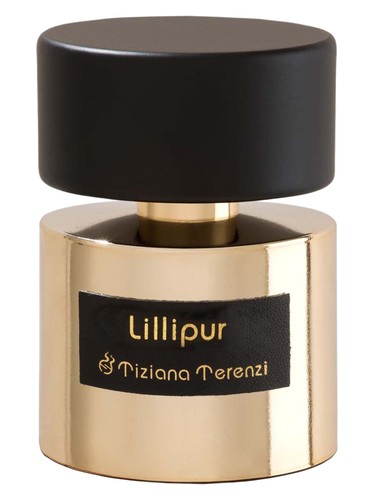
The first spray of Lillipur delivers an unexpected collision of contrasts. Star anise bursts forth with its licorice-sweet intensity, immediately tempered by the bitter, green bite of wormwood—a combination that feels simultaneously ancient and arresting. There''s nothing demure about this opening. The olibanum (frankincense) adds a resinous, almost church-like solemnity, while lemon provides just enough citric brightness to keep the composition from drowning in its own gravity. This is Tiziana Terenzi announcing their intentions clearly: Lillipur, released in 2013, isn''t interested in playing by conventional feminine fragrance rules.
Within moments, you understand you''re wearing something substantial, something with weight and presence. The anise accord (registering at 41% in the overall profile) creates a distinctive signature that either captivates or challenges—there''s little middle ground with this polarizing note.
The Scent Profile
As Lillipur begins its evolution, the heart reveals layers of spice that transform the initial aromatics into something more complex and compelling. Ceylon cinnamon arrives not as the sweet, bakery version many expect, but with a drier, more sophisticated character. Sichuan pepper contributes its peculiar tingling quality—not quite heat, not quite coolness—creating an intriguing numbing sensation on the skin.
The thyme and galbanum maintain the green, herbal thread from the opening, preventing the composition from becoming too sweet or overtly gourmand. Here''s where Lillipur shows its cards: carnation and cyclamen add a subtle floral dimension, but they''re nearly overwhelmed by the aromatic and spicy elements that dominate at 73% and 67% respectively. These aren''t the flowers of a spring garden; they''re the dried petals pressed between the pages of an antique book.
The base is where Lillipur truly comes into its own, and where that commanding 100% amber accord finally takes center stage. Cashmere wood, amber, and benzoin create a resinous, enveloping warmth that feels like sinking into velvet cushions in a dimly lit salon. Tonka bean adds its characteristic hay-like sweetness with subtle almond nuances, while Atlas cedar provides structural support.
The tobacco note threads through with surprising subtlety—never overtly smoky, but adding a dark, slightly leathery depth. Birch contributes a whisper of tar and smoke, while patchouli grounds everything with its earthy, slightly camphorous presence. White musk in the far drydown offers a clean contrast to all this richness, ensuring Lillipur doesn''t become cloying despite its intensity.
Character & Occasion
The community data tells a clear story: Lillipur is a fall perfume first and foremost (100%), with winter following closely behind at 70%. This makes perfect sense when you consider the amber-woody-spicy architecture that defines its character. This is a fragrance for crisp autumn afternoons, for layering under wool coats, for warming yourself from the inside out when temperatures drop.
Spring wearers (58%) likely gravitate toward it on cooler days, while the 28% who wear it in summer are either bold souls or living in particularly temperate climates. The aromatic freshness and spicy vibrancy do give it more versatility than a pure oriental might offer, but there''s no denying this is a cool-weather composition.
Interestingly, the day/night split (74% day versus 60% night) suggests Lillipur straddles occasions better than many in the amber family. The aromatic and fresh spicy elements keep it from feeling too heavy or seductive for daytime wear, while the amber depth certainly holds its own after dark.
Though marketed as feminine, the 62% woody accord and substantial spice profile make this highly shareable. Anyone drawn to aromatic ambers will find something to love here, regardless of marketing categories.
Community Verdict
With a 3.84 out of 5 rating from 607 voters, Lillipur occupies solid "very good" territory without reaching masterpiece status. This rating suggests a fragrance that rewards those who seek it out but may not achieve universal appeal. The relatively robust vote count indicates genuine interest from the fragrance community, while the sub-4 rating hints at its polarizing nature—likely that prominent anise note and the unconventional aromatic-amber pairing.
This is absolutely a fragrance worth exploring, particularly if you''re drawn to amber compositions that refuse to follow the sweet, vanillic path most traveled.
How It Compares
The comparisons to Serge Lutens'' Ambre Sultan and Tauer''s L''Air du Desert Marocain are telling. Like those cult classics, Lillipur takes amber into unconventional territory—less about sweetness, more about depth and complexity. The references to Amouage''s Interlude Man and Memoir Woman speak to its unisex appeal and its willingness to embrace challenging notes.
Most intriguingly, its similarity to Laudano Nero (another Tiziana Terenzi creation) suggests a house aesthetic: bold, unapologetic, and deeply rooted in resinous, aromatic compositions. Where Lillipur distinguishes itself is in that distinctive anise-wormwood opening and the particular balance of fresh spice against warm amber.
The Bottom Line
Lillipur represents Tiziana Terenzi''s confident approach to amber perfumery—this is not amber for beginners. At 3.84 stars, it''s a well-crafted fragrance that delivers exactly what it promises: warmth, complexity, and character. The polarizing anise note will determine whether this becomes a love or a pass for you, making a sample absolutely essential before committing.
For those who find mainstream feminine fragrances too sweet, too sheer, or too safe, Lillipur offers a compelling alternative. It''s best suited to cooler months and those comfortable wearing fragrance with presence. If you''ve loved the ambers from Serge Lutens or Andy Tauer, or if you''re curious about Italian niche houses willing to take creative risks, Lillipur deserves your attention. Just be prepared for something substantial, something warm, and something that absolutely refuses to whisper when it could speak.
AI-generated editorial review