First Impressions
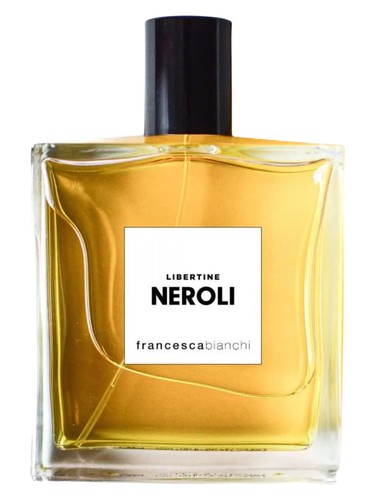
The name tells you everything and nothing at all. Libertine suggests transgression, freedom from constraint—yet neroli evokes sun-drenched orange groves and pristine white petals. Francesca Bianchi''s 2022 creation opens with this contradiction worn proudly on its sleeve. The first spray delivers a blast of petitgrain and bergamot that feels almost traditional, a citrus greeting so bright and proper it could attend Sunday brunch. But give it thirty seconds. Something feral lurks beneath those green leaves, something that has no interest in behaving. This is neroli that''s slipped its leash, and the effect is immediately arresting—an olfactory portrait in contrasts that announces Bianchi''s refusal to create yet another polite citrus fragrance.
The Scent Profile
The opening act of petitgrain and bergamot arrives with crisp, almost effervescent clarity. There''s a green bite to the petitgrain that keeps the bergamot from veering into Earl Grey territory, lending an aromatic edge that hints at what''s coming. This is citrus with intention, structured and bold rather than simply cheerful.
As the fragrance settles into its heart, Tunisian neroli takes center stage—and this is where Libertine Neroli reveals its true nature. The neroli is radiant but never innocent, its orange blossom facets amplified by iris and geranium. The iris adds a subtle powdery quality that could soften the composition, but Bianchi wields it differently here, using its earthy, almost root-like qualities to ground the florals. Geranium contributes a fresh spiciness that reads as both green and subtly metallic, creating textural complexity that prevents the heart from settling into conventional floral territory.
But it''s the base that transforms this from interesting to unforgettable. Oakmoss provides the earthy, mossy foundation that the accord data confirms dominates the composition at 66%. This isn''t the polite suggestion of moss—it''s present, verdant, and unapologetically old-school. Leather enters with an almost buttery smoothness, while animal notes add a musky warmth that registers as skin-like and intimate. Labdanum and benzoin round out the base with resinous sweetness and vanilla-tinged depth, but they serve as supporting players to the moss and animalic elements that give this fragrance its provocative edge.
The evolution isn''t linear but rather a slow revelation, like watching a portrait develop in layers. The citrus never fully disappears, but it becomes woven into an increasingly complex tapestry where fresh and feral, clean and carnal, exist in constant tension.
Character & Occasion
Here''s where Libertine Neroli defies easy categorization. Marked as suitable for all seasons, it possesses a chameleonic quality that adapts to context. In summer, the citrus and neroli leap forward, making it feel refreshing despite the substantial base. In winter, the leather and animalic notes gain prominence, adding warmth and sensuality that holds up against cold weather.
The fragrance shows no particular preference for day or night in the community data, and wearing it reveals why—it genuinely works across contexts, though it demands a certain confidence regardless of when you wear it. This isn''t background scent; it''s a statement. The animalic accord at 65% ensures you''re not slipping unnoticed into any room, while the citrus brightness at 100% keeps it from becoming oppressively heavy.
While categorized as feminine, Libertine Neroli possesses an androgynous character that feels more relevant to personality than gender. It''s for those who appreciate tension in their perfumes, who want something that evolves and challenges rather than simply pleasing. The oakmoss and leather give it a vintage chypre skeleton, but the citrus-animalic pairing feels thoroughly contemporary.
Community Verdict
With a solid 4.18 out of 5 rating across 574 votes, Libertine Neroli has clearly resonated with those who''ve experienced it. This is a respectable score that suggests broad appreciation while acknowledging that this isn''t a crowd-pleaser designed for universal appeal. The rating reflects what the composition delivers: a well-executed, artistically ambitious fragrance that knows exactly what it wants to be. Nearly 600 voices have weighed in, lending credibility to that rating—this isn''t a flash-in-the-pan novelty but a fragrance that''s found its audience and earned their respect.
How It Compares
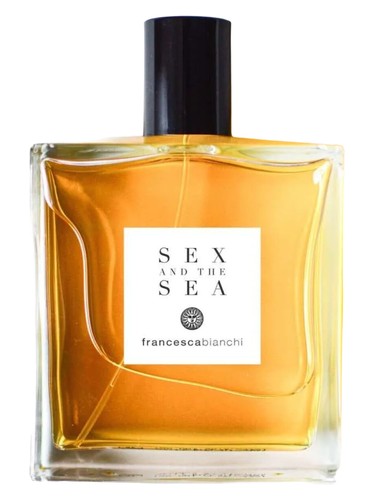
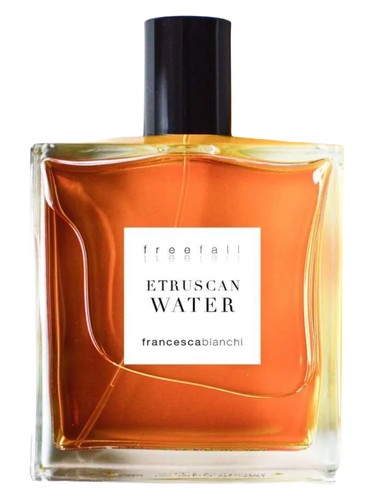
Within Francesca Bianchi''s own lineup, Libertine Neroli shares DNA with several siblings. Etruscan Water explores similar citrus-earthy territory, while Sex and the Sea Neroli offers another take on neroli with aquatic elements. Lost In Heaven and The Black Knight demonstrate Bianchi''s facility with complex, layered compositions that refuse simplification.
The comparison to Tauer''s L''Air du Desert Marocain is particularly illuminating—both fragrances feature prominent citrus and animalic elements, both possess that niche-perfumery complexity that rewards close attention. Where Tauer''s creation leans into desert spices and incense, Libertine Neroli anchors itself in moss and leather, offering a greener, more European sensibility.
The Bottom Line
Libertine Neroli earns its rating through sheer artistry and conviction. This is Francesca Bianchi doing what she does best: creating fragrances that tell stories in contrasts, that refuse to choose between beauty and edge. At 4.18 out of 5, it sits comfortably in "very good" territory without claiming perfection—an honest reflection of a fragrance that prioritizes character over universal appeal.
Should you try it? If you''ve ever wished your neroli fragrance had more backbone, more darkness, more something—absolutely. If you appreciate vintage chypres but want a contemporary twist, this deserves your attention. If you prefer your citrus simple and your florals pretty, perhaps explore elsewhere. Libertine Neroli knows its audience and serves them exceptionally well. For those willing to embrace a fragrance that''s equal parts sunshine and shadow, this is a thoroughly rewarding journey into what happens when neroli refuses to behave.
AI-generated editorial review