First Impressions
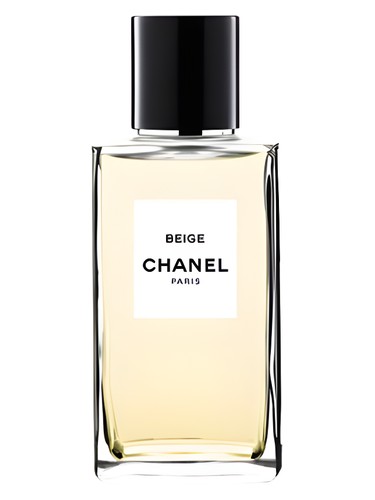
There''s something quietly radical about naming a perfume "Beige." In a market saturated with declarations of passion, midnight seductions, and euphoric fantasies, Chanel''s 2008 addition to Les Exclusifs collection arrives with the confidence of a cashmere coat draped over bare shoulders—understated, luxurious, and utterly self-assured. The first spray delivers an immediate floral embrace, but this isn''t the brash, look-at-me florals of department store counters. Instead, Beige opens like sunlight filtering through linen curtains: warm, enveloping, and surprisingly complex. There''s a golden sweetness here, a whisper of honey that catches you off guard, making you lean in closer to decipher its secrets.
The aldehydic shimmer—that classic Chanel signature that recalls the house''s iconic No. 5—adds a pristine, almost soapy elegance to the opening moments. But where No. 5 is crystalline and commanding, Beige feels softer, more intimate, like catching the scent of expensive face cream on freshly washed skin.
The Scent Profile
While specific note breakdowns remain deliberately mysterious (perhaps befitting the Exclusifs collection''s air of inscrutability), the accord structure tells a revealing story. This is overwhelmingly a floral composition—the data shows florals at maximum intensity—but not in any predictable way. The flowers here feel warmed by skin, sweetened by nature, and given depth by unexpected companions.
That honey accord, registering at 31%, acts as the heart''s golden thread, weaving through petals with a naturalistic sweetness that never tips into gourmand territory. It''s the honey of actual blossoms, not the jar—waxy, slightly animalic, alive. The tropical facet at 28% suggests something lush and creamy: perhaps tiare flower or frangipani, those heady blooms that smell like vacation but elevated to haute parfumerie standards.
The sweetness (26%) and lactonic qualities (14%) work in concert to create what can only be described as a skin-like warmth. Lactonic notes often evoke milk, sandalwood, or coconut—that smooth, creamy texture that makes a fragrance feel nourishing rather than merely pretty. Here, they give Beige its signature soft-focus quality, as if the entire composition has been filtered through silk.
As the fragrance settles, that aldehydic sparkle (12%) continues to pulse through the base, preventing the honey-floral heart from becoming too heavy or soporific. It''s architectural—a structure that keeps everything lifted, airy, and decidedly Chanel.
Character & Occasion
The community has spoken clearly: Beige is a daytime darling, scoring 100% for day wear while managing only 27% for evening occasions. This isn''t a criticism—it''s a statement of purpose. This is the fragrance for important mornings, for feeling pulled-together without feeling overdressed. It''s for brunch meetings, gallery openings, working from a sunlit café, or simply wanting to smell expensive while running weekend errands.
Seasonally, spring claims Beige with 87% approval, and it''s easy to understand why. This is the olfactory equivalent of that first warm day when you can finally shed your heavy coat—floral, optimistic, alive with possibility. But its appeal doesn''t end there. Summer and fall both register at 54%, suggesting genuine versatility. In summer''s heat, the floral-honey composition remains bright without turning cloying; in fall''s crispness, it provides a warm contrast without the heaviness of winter orientals.
That 27% winter score isn''t weakness—it''s honesty. Beige isn''t trying to comfort you through a blizzard. It''s waiting patiently in your wardrobe for the seasons when its particular magic can truly shine.
This is decidedly feminine, though the modern nose might find its soapy elegance appealing regardless of gender identity. It speaks to those who appreciate quiet luxury, who understand that beige isn''t boring—it''s the color of champagne, of sand, of expensive everything.
Community Verdict
With 4.15 out of 5 stars across 2,931 votes, Beige has earned genuine affection from a substantial community. This isn''t a niche curiosity with 50 devotees—nearly 3,000 people have weighed in, and the overwhelming majority approve. That rating positions it firmly in "very good" territory: not universally worshipped, but widely respected and genuinely loved by those who connect with its aesthetic.
The breadth of votes suggests staying power, too. Six years after launch (at the time of this data), people were still discovering and rating Beige, suggesting it hasn''t disappeared into obscurity or felt dated by changing trends.
How It Compares
The comparison set reads like a who''s who of modern feminine classics: Allure Eau de Parfum (staying in the family), the ubiquitous J''adore, the sensual Narciso Rodriguez For Her, the honeyed Chergui, and the polarizing Angel. What unites these disparate fragrances? They''re all uncompromising visions executed at the highest level.
Where Beige distinguishes itself is in its restraint. J''adore is fuller, more obviously glamorous. Angel is louder, sweeter, more divisive. Narciso Rodriguez leans muskier and more overtly sensual. Beige occupies a sweet spot—sophisticated enough for fragrance connoisseurs, but approachable enough for someone simply wanting to smell beautiful. It''s Chanel through and through: impeccable taste, flawless execution, and an understanding that true luxury rarely needs to announce itself.
The Bottom Line
Les Exclusifs de Chanel Beige succeeds precisely because it knows what it is: a beautiful daytime floral for people who appreciate subtlety over spectacle. At its price point (Exclusifs rarely come cheap), you''re paying for Chanel''s mastery of the floral-aldehyde tradition, updated with that honeyed warmth and tropical creaminess that keeps it from feeling like a museum piece.
Should you try it? Absolutely, if you''ve ever felt exhausted by fragrance trends, if you want something polished for professional settings, or if you simply love the smell of expensive flowers warmed by skin. Skip it if you need your fragrances loud, if you live for winter scents, or if "beige" sounds like settling rather than aspiring.
This is grown-up perfumery in the best sense—confident, refined, and utterly itself. Sometimes, being beige is the boldest choice of all.
AI-generated editorial review