First Impressions
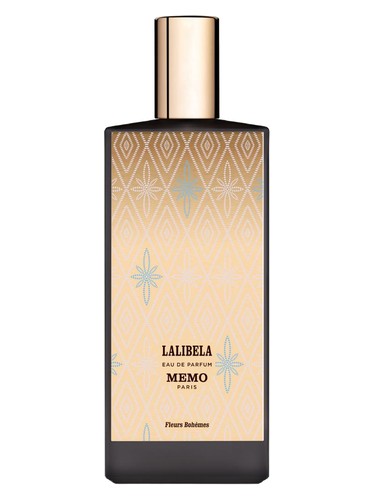
The first spray of Lalibela transports you with the force of a pilgrimage—appropriate, given its namesake Ethiopian holy city. What greets your senses isn''t a tentative whisper but a confident declaration: jasmine, luminous and narcotic, flanked by freesia''s delicate sweetness and an unexpected thread of green freshness that keeps the opening from veering into cloying territory. This is white floral done with conviction, a fragrance that announces itself without apology yet maintains an underlying softness that draws you closer rather than pushing you away. Within moments, you understand why this 2007 release has maintained its following for nearly two decades—it occupies that rare space between statement and subtlety, between boldness and approachability.
The Scent Profile
Lalibela''s evolution is a masterclass in white floral composition. Those opening notes of jasmine and freesia create an immediate halo of brightness, with green notes providing just enough sharpness to prevent the sweetness from overwhelming. The jasmine here is indolic but refined—present enough to satisfy white floral devotees, restrained enough to welcome those who typically shy away from the category.
As the fragrance settles into its heart, the composition reveals its true complexity. Rose emerges not as a soliflore statement but as part of a quartet, joining orange blossom, ylang-ylang, and heliotrope in a dance that feels both orchestrated and organic. The orange blossom adds a subtle soapiness—the kind that evokes luxury rather than laundry—while ylang-ylang contributes its characteristic creamy richness. Heliotrope, often overlooked in perfume discussions, plays a crucial role here, introducing a powdery, almost almond-like softness that begins bridging the floral bouquet to what''s waiting in the base.
The dry-down is where Lalibela reveals its full personality. Patchouli provides earthy grounding without dominating, while vanilla and musk create a skin-like warmth that feels both intimate and comforting. This isn''t the dessert-counter vanilla of gourmand fragrances; it''s measured, acting as a supporting player that sweetens and softens rather than starring solo. The musk adds a whisper of sensuality, ensuring the fragrance doesn''t read as purely innocent despite its predominant floral character.
Character & Occasion
The community data reveals Lalibela''s versatility, though it shows clear preferences. This is overwhelmingly an autumn fragrance, with near-universal agreement (98%) that it shines during fall''s cooler, contemplative days. Spring follows closely at 82%, suggesting the floral heart resonates with the season''s blooming energy. Winter (64%) and summer (53%) receive more modest endorsements—understandable given the fragrance''s substantial white floral presence, which can feel heavy in heat but perhaps not quite warm enough for the depths of winter.
The day-to-night profile is equally telling. While Lalibela performs beautifully in daylight (100% approval), it transitions competently to evening wear (64%), making it ideal for those seeking a signature scent that works from office to dinner. This is a fragrance for women who appreciate florals but seek sophistication over sweetness, depth over simplicity. It suits the professional who wants presence without aggression, the romantic who prefers subtlety to seduction.
Community Verdict
With a rating of 3.96 out of 5 from 2,105 voters, Lalibela occupies respectable territory—not niche cult status, but solid appreciation from a substantial community. This is a fragrance that clearly resonates, gathering a following significant enough to generate over two thousand opinions. The rating suggests competence and appeal without claiming revolutionary status, which feels accurate for a well-executed white floral that prioritizes wearability over innovation.
How It Compares
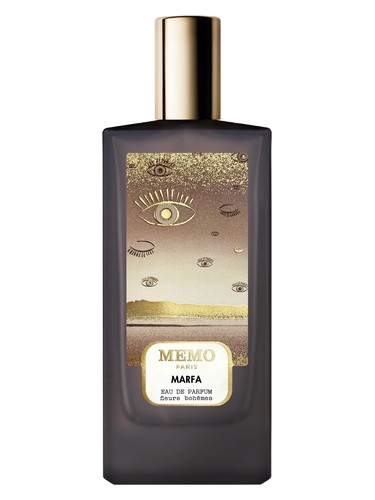
The comparison list reads like a who''s who of beloved white florals and modern feminines. The mention of Alien by Mugler is particularly intriguing—while Lalibela is softer and more traditionally floral, both share that confident white floral DNA and substantial presence. Love Don''t Be Shy by By Kilian shares the marshmallow-sweet tendencies, though Lalibela leans more classically floral. The inclusion of Marfa, another Memo Paris creation, highlights the house''s consistent quality and approach. Sunshine Woman by Amouage and Narciso Rodriguez For Her round out the comparisons, suggesting Lalibela occupies space between fresh-floral accessibility and niche sophistication.
Where does Lalibela distinguish itself? In its balance. It''s less challenging than Alien, less overtly sweet than Love Don''t Be Shy, more traditionally pretty than Marfa''s mineral landscapes. It''s a bridge fragrance—accessible enough for department store appeal, composed enough for niche credibility.
The Bottom Line
Lalibela deserves its solid 3.96 rating. This isn''t a fragrance that will revolutionize your perception of perfume or challenge conventional tastes—and that''s perfectly fine. What it offers instead is reliable, well-crafted white floral beauty with enough complexity to maintain interest and sufficient restraint to ensure wearability.
The real question is whether you''re seeking adventure or sophistication. If you want groundbreaking originality, look elsewhere. If you want a jasmine-rose composition executed with skill, balanced with vanilla warmth, and suitable for professional settings without sacrificing personality, Lalibela absolutely merits exploration. It''s particularly worth sampling if you''ve enjoyed any of its comparable fragrances but seek something less intense than Alien or more floral than Narciso Rodriguez For Her.
At nearly two decades old, Lalibela has proven its staying power—always a positive sign in perfume''s fickle landscape. For women seeking an elegant white floral with autumn and spring versatility, this Memo Paris creation offers a journey worth taking.
AI-generated editorial review