First Impressions
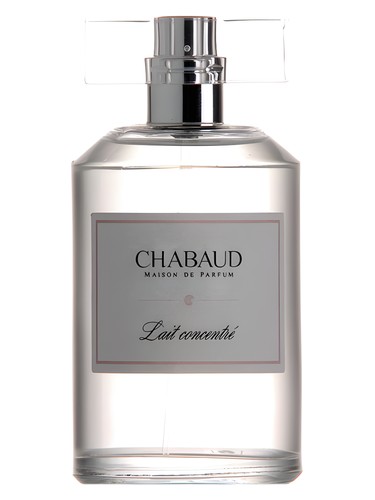
The first spray of Lait Concentré announces itself with unabashed confidence—this is milk, pure and simple, with no apologies. Not the sweetened, vanilla-kissed milk of childhood memories or café lattes, but something more literal, more raw. It''s the kind of olfactory statement that demands a reaction, and rarely inspires indifference. Within seconds, you''ll know whether you''ve discovered a hidden treasure or made a decisive mistake. This is Chabaud Maison de Parfum''s 2014 creation that dares to answer the question: what if we made a perfume that actually smells like its name?
The lactonic accord dominates at 100%—a complete and total commitment to the concept. There''s an almost savory quality lurking beneath the surface, accounting for 20% of the composition, that adds an unexpected dimension. This isn''t trying to be polite or universally pleasing. It''s trying to be honest.
The Scent Profile
Lait Concentré opens with a straightforward milk note that some might find shockingly direct. Unlike fragrances that hint at creaminess through almond or sandalwood proxies, this top note presents milk as the singular star. It''s warm, dense, and unapologetically dairy-forward—think condensed milk straight from the can, before it''s stirred into coffee or drizzled over dessert.
As the fragrance settles into its heart, coconut emerges to add a tropical sweetness that tempers the initial intensity. The coconut here feels more like coconut cream than fresh coconut water—rich, thick, and contributing to the overall impression of something you might eat rather than wear. This is where the composition attempts to find its balance, where the 30% coconut accord works alongside the dominant lactonic theme.
The base reveals caramel, comprising 45% of the accord profile, which should theoretically add warmth and gourmand appeal. Here''s where the fragrance reaches for dessert territory, attempting to transform its literal milk opening into something more like dulce de leche or a sweetened condensed milk confection. The 40% sweet accord fully manifests in this stage, creating a sticky, sugary finish that lingers on the skin with substantial presence.
Throughout its development, that 9% tropical accord weaves quietly through the composition, courtesy of the coconut, while the overall effect remains firmly anchored in its lactonic identity.
Character & Occasion
This is unequivocally a cold-weather fragrance. The data confirms it: winter scores 100%, with fall following closely at 85%. The heavy, creamy density of Lait Concentré simply cannot breathe in warm weather—spring drops to 47%, and summer barely registers at 26%. This makes perfect sense; wearing this in July heat would likely amplify every potentially problematic aspect of its milky character.
Interestingly, it leans heavily daytime at 83%, versus 51% for evening wear. Perhaps this speaks to its gourmand nature—it''s dessert-as-perfume, comfort-scent-as-armor. The kind of fragrance you might wear while wrapped in an oversized sweater, nursing a hot drink on a grey afternoon.
Positioned as a feminine fragrance, Lait Concentré would likely appeal most to those who actively seek out lactonic scents and aren''t afraid of polarizing choices. This isn''t a crowd-pleaser or a first-date perfume. It''s for the collector, the adventurous, or those so committed to milky fragrances that they''re willing to risk the controversy.
Community Verdict
Here''s where we must confront the elephant—or perhaps the spoiled milk carton—in the room. The r/fragrance community sentiment sits at a stark 2.5 out of 10, decidedly negative territory. While the broader rating shows 3.81 out of 5 stars from 1,234 votes, the Reddit consensus tells a more critical story.
The praise, such as it is, acknowledges that the fragrance successfully delivers its milky note and creates a distinct, memorable scent profile. Mission accomplished on a technical level—you will definitely smell like milk.
But the cons are damning: multiple users describe the milky note as unpleasant, reminiscent of spoiled milk rather than fresh cream. The consensus is that it''s simply not wearable or pleasant for most who test it. Adding insult to injury, limited stock availability means that even those curious to form their own opinion may struggle to find it.
The community summary is unambiguous: while Lait Concentré achieves its lactonic character, "the execution is off-putting." Users seeking the "desired gourmand vanilla almond profile that fans of lactonic fragrances seek" will be disappointed by this more literal interpretation.
How It Compares
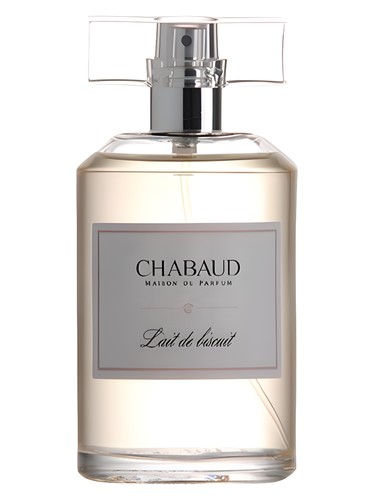
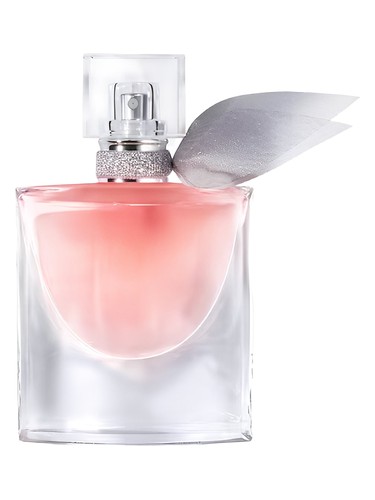
Within Chabaud''s own lineup, Lait Concentré sits alongside siblings like Lait et Chocolat and Lait de Biscuit—clearly a house fascinated by milk as an olfactory theme. It shares DNA with Les Liquides Imaginaires'' Blanche Bête, another polarizing lactonic experiment, and finds itself compared to more mainstream successes like Zadig & Voltaire''s This is Her and Xerjoff''s Lira.
The comparison to Lira is particularly telling—both explore lactonic gourmand territory, but Lira has achieved cult status while Lait Concentré remains controversial. Perhaps the difference lies in execution versus ambition.
The Bottom Line
Lait Concentré is a fragrance that demands respect for its commitment, even if that commitment produces divisive results. With a rating of 3.81 from over a thousand votes, there''s clearly an audience that appreciates what Chabaud attempted here. But the vocal negative community response from actual wearers suggests that experiencing this fragrance firsthand is essential before committing.
Should you try it? Yes—if you''re a lactonic fragrance collector, if you appreciate olfactory experiments, or if you''re curious about the outer boundaries of gourmand perfumery. Should you blind buy it? Absolutely not. This is a sample-first situation if ever there was one.
For those who find their match in Lait Concentré, you''ve discovered something genuinely unique. For everyone else, there are safer, more universally appealing lactonic fragrances waiting in that list of similar scents. Sometimes the most interesting perfumes aren''t the most wearable ones—and that''s exactly what makes them worth discussing.
AI-generated editorial review