First Impressions
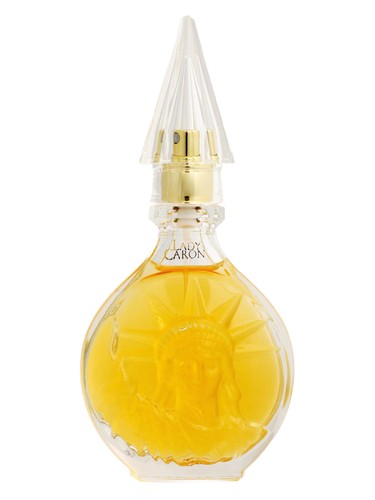
The first spray of Lady Caron announces itself with unapologetic confidence. This is white floral perfumery in its most classical French form—magnolia and jasmine surge forward with creamy intensity, while neroli adds a citrus-tinged shimmer that keeps the opening from becoming too heavy. There''s an immediate sense of occasion here, a feeling that you''ve just applied something significant rather than casual. The year 2000 marked a curious moment in perfumery, caught between the powerhouses of the ''80s and ''90s and the approaching minimalist wave, and Lady Caron feels very much like a bridge between these eras—opulent without being overwhelming, traditional yet not outdated.
The Scent Profile
That opening magnolia-jasmine-neroli trio creates a luminous white floral canvas that dominates the first fifteen minutes. The magnolia brings a lemony, slightly soapy cleanliness, while jasmine contributes its characteristic indolic richness. Neroli, often underestimated, provides crucial lift and a honeyed-bitter edge that prevents the composition from collapsing into one-dimensional sweetness.
As the fragrance settles into its heart, something unexpected happens: fruit emerges. Peach and raspberry weave through the tuberose and rose, creating a texture that''s simultaneously creamy and jammy. This isn''t the aqueous, translucent fruit of contemporary perfumery—it''s richer, more substantial, almost like the candied fruits you''d find in a French patisserie. The tuberose here deserves particular attention; it''s the fragrance''s beating heart, bringing that characteristic mentholated creaminess that can veer dangerously close to heady but never quite tips over. Rose plays a supporting role, adding depth and a classical floral roundness rather than stealing the spotlight.
The base reveals Lady Caron''s more serious intentions. Oakmoss and sandalwood anchor what could have been an entirely ethereal composition, providing earthy sophistication and woody warmth. The oakmoss, in particular, signals this perfume''s pre-reformulation era—there''s a green, forest-floor dampness that modern regulations have largely eliminated from contemporary releases. The sandalwood brings creamy woodiness that complements rather than competes with the floral richness above it.
Character & Occasion
Lady Caron shows a clear preference for cooler weather, with fall registering as its strongest season at 84%, followed closely by spring at 73%. This makes intuitive sense—the richness of the white florals and the depth of the base notes need a bit of atmospheric coolness to truly sing. In summer heat, that tuberose intensity might become overwhelming; in winter''s depths, the fruity elements could feel oddly disconnected. But on a crisp autumn morning or a breezy spring afternoon? Perfect.
The data strongly indicates this as a daytime fragrance, rating at 100% for day wear versus 57% for night. This is interesting given the intensity of its white floral character—fragrances this opulent often skew evening. But the brightness of the opening citrus and the playfulness of the fruit notes keep it from feeling too formal or nocturnal. Think lunch appointments, afternoon gallery visits, daytime celebrations rather than black-tie events.
This is decidedly a fragrance for someone comfortable with presence. If you gravitate toward skin scents and "your skin but better" compositions, Lady Caron will likely feel like too much. But if you appreciate classical French perfumery, if Fracas doesn''t frighten you, if you remember when perfume was meant to announce you before you entered the room—this deserves your attention.
Community Verdict
With a rating of 3.89 out of 5 from 373 votes, Lady Caron sits in solidly "very good" territory. This isn''t a cult phenomenon with rabid devotees, nor is it dismissed as a failure. Instead, it occupies that interesting middle ground of a well-executed fragrance that does exactly what it sets out to do without necessarily revolutionizing its category. The number of votes suggests a fragrance that hasn''t achieved blockbuster status but maintains a dedicated following—people who know it, appreciate it, and return to it.
That rating feels honest. Lady Caron doesn''t reinvent white floral perfumery, and the fruit-floral combination, while beautifully executed, was hardly novel even in 2000. But technical mastery and pleasant familiarity have their own value.
How It Compares
The comparison to Fracas by Robert Piguet is revealing—both are unabashed tuberose showcases, though Lady Caron softens the blow with fruit and a more diffuse floral bouquet. Where Fracas is a tuberose monolith, Lady Caron is a tuberose centerpiece surrounded by complementary players.
The connections to 24 Faubourg, Organza, Trésor, and Poison place it squarely in late ''90s/early 2000s luxury territory—these are all fragrances that embrace richness, femininity, and complexity without apology. Lady Caron shares their DNA but maintains Caron''s particular French refinement, that house style that values elegance over impact, composition over concept.
The Bottom Line
Lady Caron represents Caron doing what Caron does best: creating classically beautiful French perfumery with technical expertise and zero interest in following trends. It won''t convert minimalists or those who find white florals cloying, but for lovers of this genre, it''s a well-crafted example that deserves more attention than it receives.
At this point, finding it may require some hunting—it''s not a flagship that receives prominent counter placement. But that 3.89 rating from nearly 400 people suggests something genuinely worthwhile rather than merely nostalgic. If you''re building a collection of reference-quality white florals, or if those similar fragrances listed above already live on your shelf, Lady Caron merits exploration. It''s proof that not every great perfume needs to be groundbreaking—sometimes, mastery of the familiar is enough.
AI-generated editorial review