First Impressions
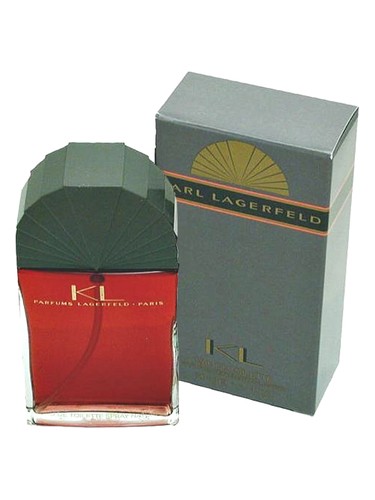
The first spray of KL transports you directly to 1983—and that''s both its charm and its challenge. This is a fragrance that announces itself with unapologetic confidence, opening with a burst of spiced citrus that feels less like a gentle introduction and more like a declaration. The orange and bergamot aren''t bright and cheerful; they''re tempered immediately by an assertive spice blend that signals exactly what kind of journey you''re embarking upon. This is old-school perfumery in its purest form, the kind that existed before "office-appropriate" became part of the fragrance lexicon. Within moments, you understand why KL earned its 100% warm spicy accord rating—this is a fragrance that doesn''t whisper, it speaks in full sentences.
The Scent Profile
The opening citrus notes of orange and bergamot last only long enough to provide a fleeting brightness before the heart reveals KL''s true character. This is where the fragrance blooms into its full, spice-drenched glory. Cloves and cinnamon dominate with an intensity that reads as genuinely warming—the 30% cinnamon accord isn''t subtle decoration but a defining characteristic. These aren''t the sweet, bakery spices of modern gourmands; they''re hot, slightly medicinal, and deeply resinous.
Woven through this spice tapestry are ylang-ylang, rose, orchid, and jasmine, creating a floral heart that''s more opulent than delicate. The florals don''t stand separately; they merge into a rich, heady bouquet that amplifies rather than softens the spice. The ylang-ylang, in particular, brings a creamy, slightly banana-like quality that adds complexity to the composition.
The base is where KL reveals its vintage soul. Civet—that animalic note that defined so many powerhouses of the era—provides a musky, warm-skin quality that accounts for the 22% animalic accord. It''s softened by amber, benzoin, and vanilla, creating a sweet-resinous foundation (reflected in the 28% sweet accord and 69% amber accord), while myrrh, patchouli, and styrax add depth and a slightly smoky, incense-like quality. The drydown is thick, enveloping, and undeniably warm—this is a fragrance that wears you as much as you wear it.
Character & Occasion
The data tells a clear story: KL is definitively a cold-weather, evening fragrance. With 83% of wearers choosing it for winter and fall, and 100% rating it appropriate for night versus only 42% for day, this isn''t a fragrance for casual summer afternoons or light office environments. This is a statement scent for specific moments—dinner parties, evening events, or those rare winter days when you want to feel cocooned in warmth and spice.
The low spring (19%) and summer (15%) ratings make perfect sense once you experience the weight and heat of this composition. In warm weather, those spices and that animalic base would be overwhelming. But on a cold night, when you''re bundled in layers and the air is crisp, KL creates an aura of vintage glamour and unapologetic femininity.
This is a fragrance for someone who appreciates perfume history, who doesn''t mind standing out, and who has the confidence to wear something that smells distinctly "not modern." It''s not for the minimalist or the subtle; it''s for the maximalist who mourns the loss of civet and oakmoss in contemporary formulations.
Community Verdict
The Reddit fragrance community''s assessment of KL is telling, with a mixed sentiment score of 6.5 out of 10 based on 19 opinions. The pros consistently mentioned are its nostalgic value and heritage appeal, its versatility for casual wear, and its accessible price point as an entry-level fragrance. These are respectable qualities, but they reveal something important: people appreciate KL more for what it represents than for what it delivers in practice.
The cons are more damning: community members rarely actually wear it, it''s overshadowed by more modern fragrances in their collections, and the limited discussion suggests it''s not a standout performer by contemporary standards. The summary captures this perfectly—KL "holds sentimental value rather than enthusiastic endorsement." It''s the fragrance equivalent of keeping your mother''s vintage coat in the closet: you love what it means, but you rarely reach for it when getting dressed.
Most tellingly, community members suggest it''s best for casual everyday wear, sentimental reasons, or budget-conscious buyers—none of which are particularly inspiring endorsements for a fragrance with such bold character.
How It Compares
KL exists in illustrious company. Its similar fragrances include Cinnabar by Estée Lauder, Opium by Yves Saint Laurent, Youth-Dew by Estée Lauder, Coco Eau de Parfum by Chanel, and Obsession by Calvin Klein. These are the titans of 1970s and 1980s perfumery, the warm spicy orientals that defined an aesthetic.
Here''s the challenge: while those fragrances have maintained cultural cachet and devoted followings, KL hasn''t achieved the same iconic status. Opium remains synonymous with seductive excess, Obsession defined a decade, and Coco carries the weight of the Chanel name. KL offers a similar olfactive experience at a fraction of the price, but it lacks the story, the prestige, and the cultural moment that elevated its competitors to legendary status.
The Bottom Line
KL''s 4.45 rating from 475 voters suggests that those who try it generally appreciate what they find—this is a well-crafted fragrance that delivers exactly what it promises. The question is whether what it promises is what modern wearers actually want.
If you''re drawn to vintage orientals, if you wish modern fragrances had more guts and animalic depth, or if you''re curious about 1980s perfumery without paying vintage prices, KL deserves your attention. It''s an authentic time capsule that offers genuine quality at an accessible price point. But if you''re building a collection of fragrances you''ll reach for regularly, the community data suggests KL will likely end up as the bottle you smell occasionally with fond nostalgia rather than the one you actually wear.
For budget-conscious buyers seeking an introduction to warm spicy orientals, KL represents excellent value. For collectors of perfume history, it''s a worthy addition. For everyone else, it might be better appreciated as an interesting detour rather than a destination.
AI-generated editorial review