First Impressions
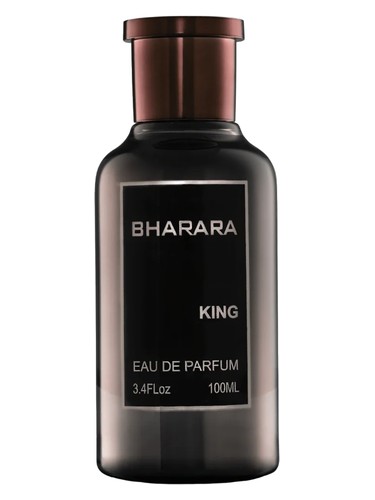
The first spray of Bharara King announces itself with the kind of citrus brightness that doesn''t ask permission—it demands attention. Orange, bergamot, and lemon converge in a luminous opening that''s immediately recognizable as citrus-dominant, though what follows is far more complex and controversial than that sunny introduction suggests. There''s an almost electric quality to the initial burst, a sharpness that hints at the divisive character lurking beneath. This isn''t a polite fragrance making small talk; it''s a statement piece that wears its ambitions—and its name—with unapologetic boldness.
The Scent Profile
King opens with a citrus trifecta that registers at maximum intensity in its accord profile. The orange brings a sweet-tart vivacity, while bergamot contributes its characteristic Earl Grey-like sophistication and lemon adds clean, zesty brightness. Together, they create an opening that''s both familiar and forceful, setting the stage for the journey ahead.
As the top notes settle, the heart reveals a fruity character that accounts for 75% of the fragrance''s personality. These fruity notes bridge the gap between the citrus introduction and the warmer base, though the specific fruits remain elusive—a deliberate ambiguity that adds to King''s mysterious character. This middle phase is where the fragrance begins to reveal its complexity, and where opinions start to diverge. There''s a sweetness emerging here that scores at 64% in the accord breakdown, preparing the canvas for what''s to come.
The base is where King truly reveals its intentions. Vanilla, white musk, and amber create a foundation that''s simultaneously comforting and confrontational. The vanilla contributes a 54% accord presence, providing sweetness without traditional gourmand softness. White musk adds a clean, slightly powdery quality (46% powdery accord), while amber brings warmth and that woody-amber character that community members consistently mention—sometimes with appreciation, sometimes with regret. The musky accord at 44% rounds out a base that lingers with remarkable tenacity, a quality that proves to be both King''s greatest strength and, for some, its fatal flaw.
Character & Occasion
The data tells a clear story about when King thrives: this is overwhelmingly a cold-weather fragrance. Winter scores an impressive 97%, with fall close behind at 90%. Spring remains viable at 78%, but summer drops dramatically to 47%—this isn''t a fragrance that plays well with heat. The sweet, rich base notes and strong projection make it better suited to cooler temperatures where it can envelop rather than overwhelm.
Interestingly, while King performs well during the day (72%), it truly comes alive at night, scoring a perfect 100% for evening wear. This aligns with its strong, unapologetic character—it''s a fragrance that matches the confidence and drama of nighttime occasions. Think dinner dates, evening events, and cold-weather gatherings where its substantial presence can be fully appreciated.
The masculine designation and bold character suggest King is aimed at those who want to be noticed, who appreciate a fragrance with substantial projection and lasting power. This isn''t for the timid or those seeking a safe office scent.
Community Verdict
Here''s where things get fascinating—and complicated. Based on 29 community opinions, King earns a mixed sentiment score of 6.5 out of 10, and the feedback reveals a fragrance that inspires strong reactions in both directions.
The pros are substantial: wearers consistently praise its exceptional lasting power and projection. Some have ranked it highly in personal collections, with at least one tester placing it first in a sampler comparison. The distinctive woody-amber character has its admirers who appreciate its boldness.
But the cons are equally notable and more frequently voiced. The scent profile is described as sharp and harsh, potentially overpowering in its intensity. Perhaps most tellingly, King appears frequently on fragrance collectors'' regret lists—purchases that seemed promising but ultimately disappointed. The most striking complaint? It''s difficult to wash out and lingers extensively, a quality that transforms from asset to liability when you''re trying to remove a scent you''ve grown tired of.
The community suggests King works best for evening wear, cold weather, and fragrance layering—contexts where its intensity can be channeled productively rather than becoming a liability.
How It Compares
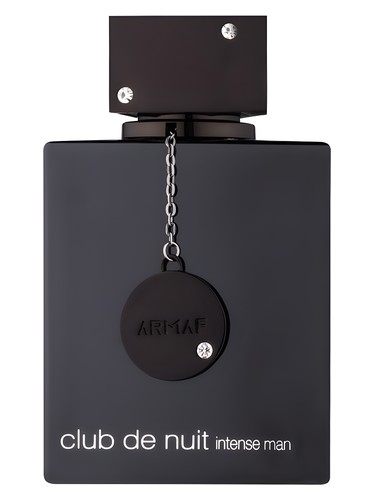
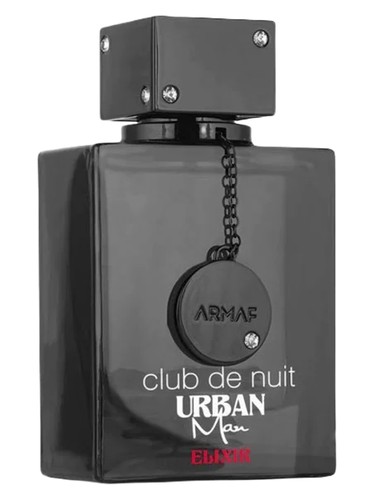
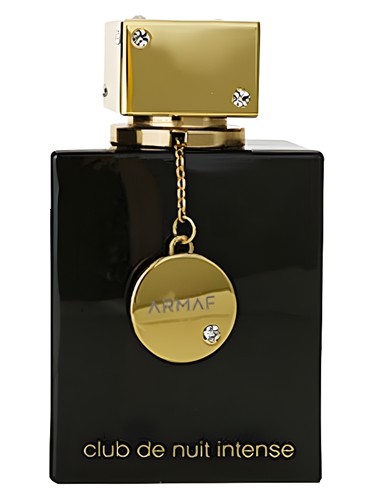
King sits in competitive territory, compared to fragrances like Armaf''s Club de Nuit Intense Man, Rasasi''s Hawas for Him, Versace''s Eros Flame, Jean Paul Gaultier''s Ultra Male, and Afnan''s 9pm. These are all bold, masculine fragrances with strong performance characteristics and devoted followings. What sets King apart—for better or worse—is that sharp, polarizing character that the community consistently mentions. Where something like Ultra Male might win broad appreciation for its sweet, accessible nature, King takes a more confrontational approach that rewards specific tastes while alienating others.
The Bottom Line
With a rating of 4.34 out of 5 from 1,476 votes, King''s numbers suggest broad approval. Yet the community commentary reveals a more nuanced reality: this is a fragrance that either works beautifully for your chemistry and preferences, or fails spectacularly. There''s little middle ground.
The value proposition depends entirely on which camp you fall into. For those who appreciate its sharp woody-amber character and want exceptional longevity and projection, King delivers admirably. For others, it represents a cautionary tale about buying bold fragrances without extensive testing.
Who should try it? Sample before you buy—that''s non-negotiable with King. If you gravitate toward powerful, sweet-citrus-woody fragrances with substantial presence, if you wear fragrance primarily in cold weather and evening settings, and if you appreciate scents that make a statement rather than whisper suggestions, King deserves consideration. Just be prepared for a scent that doesn''t compromise, that lingers long after you might want it to, and that will likely inspire either devotion or regret with little room between.
AI-generated editorial review