First Impressions
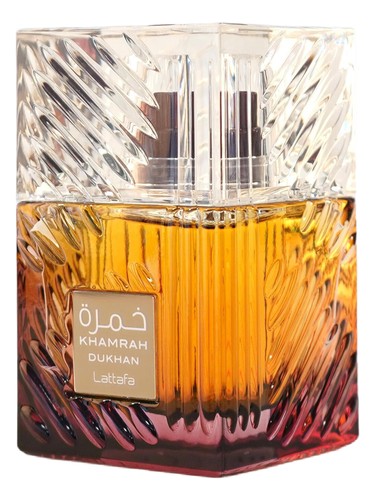
The first spray of Khamrah Dukhan announces itself with an unexpected warmth—not the gentle heat of a candle flame, but something closer to the radiating intensity of embers in a censer. There''s an immediate interplay between the bright citrus snap of mandarin and a dusty, complex spice blend dominated by pimento. This isn''t the crisp morning freshness you might expect from citrus; instead, the mandarin feels almost caramelized, pre-sweetened, as if Lattafa is signaling from the very first moment that this fragrance has no interest in restraint. The spices carry an almost ceremonial quality, hinting at the incense-laden journey ahead.
The Scent Profile
The opening phase reveals its cards quickly. That pimento-forward spice combination creates an aromatic cloud that''s both warming and slightly numbing—imagine the tingle of pink peppercorns meeting cinnamon bark. The mandarin doesn''t linger as a distinct citrus note but rather melts into the spice matrix, adding brightness without freshness. It''s a clever construction that prepares your nose for the transition to come.
As Khamrah Dukhan settles into its heart, the composition reveals its true nature. Incense emerges as a central pillar, rendered with the kind of smoky authenticity that suggests frankincense or myrrh burning on charcoal. This isn''t clean church incense—it''s earthier, more resinous. Labdanum adds a leathery, ambery depth that grounds the smokiness, while patchouli contributes its characteristic woody darkness. The surprise here is orange blossom, which could have felt out of place but instead adds a subtle floralcy that softens the edges without feminizing the composition. This heart phase is where "dukhan" (Arabic for smoke) earns its name, creating an atmospheric haze that clings to skin and fabric.
The base is where sweetness fully asserts itself. Praline emerges with unabashed intensity, bringing a nearly gourmand quality that could border on cloying in lesser hands. Here, though, it''s balanced against tobacco''s dry, slightly bitter character. Tonka bean and benzoin contribute creamy vanilla undertones, while amber—the fragrance''s dominant accord at 100%—ties everything together with its warm, resinous sweetness. The result is a drydown that oscillates between smoke shop and patisserie, never quite settling into one identity. It''s this tension that makes Khamrah Dukhan compelling rather than one-dimensional.
Character & Occasion
The community data tells a clear story: this is a cold-weather fragrance built for nighttime wear. With 100% winter suitability and 87% for fall, Khamrah Dukhan thrives when temperatures drop and the air turns crisp. At 84% night versus just 36% day, this isn''t your boardroom companion. The sweetness and density of the composition would feel suffocating in summer heat (only 9% seasonal suitability) and potentially overwhelming in professional daytime settings.
This is a fragrance for evening gatherings, dinner dates, and late-night conversations in dimly lit spaces. The masculine designation feels appropriate—the tobacco and incense backbone reads traditionally male—but the sweeter elements could easily appeal to those who prefer unisex or boundary-pushing compositions. It demands attention without shouting, projecting a warm aura that invites people closer rather than announcing your presence across a room.
The 90% warm spicy accord combined with 66% sweetness creates a signature that''s both comforting and seductive. This isn''t a scent for minimalists or those who prefer transparent, skin-like fragrances. It''s for someone who appreciates presence, who wants their fragrance to be part of the conversation.
Community Verdict
With a rating of 4.28 out of 5 from 1,693 votes, Khamrah Dukhan has clearly resonated with its audience. This is a substantial sample size, and the rating places it firmly in "highly regarded" territory. That it''s achieved this acclaim as a 2025 release—presumably gathering these votes in a relatively short window—suggests genuine enthusiasm rather than nostalgic affection.
The community has spoken clearly about what works here: the amber-tobacco-incense trinity, the bold approach to sweetness, and the unapologetic richness. For those exploring this direction in masculine perfumery, the data suggests Khamrah Dukhan delivers on its promises.
How It Compares
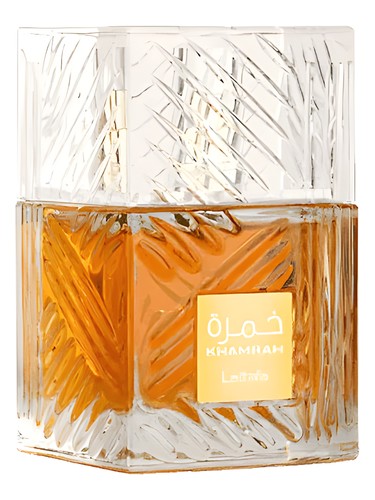
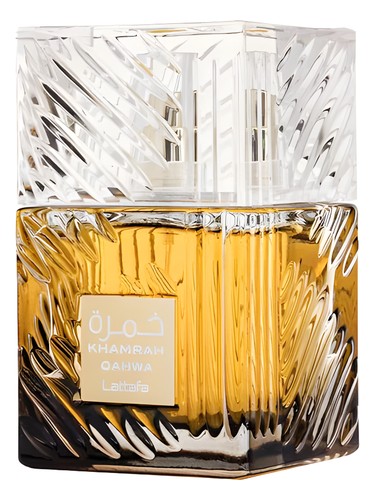
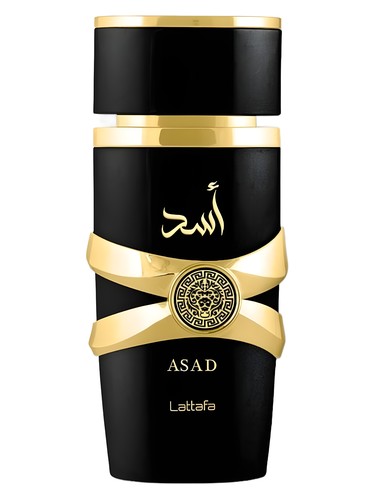
Lattafa has clearly been mining this amber-sweet-spicy territory with intention. The similarity to Khamrah (the original) is obvious from the naming alone, while Khamrah Qahwa and Teriaq Intense suggest variations on a profitable theme. Asad and Liquid Brun by French Avenue round out the comparison set, indicating that Khamrah Dukhan sits squarely in the contemporary Middle Eastern-influenced sweet amber category that''s dominated recent affordable fragrance discussions.
What distinguishes this from its stable-mates appears to be the incense emphasis—that smoky "dukhan" character that adds complexity to what could otherwise be another sweet amber exercise. Where some flankers feel like minor variations, the smoke element here provides enough differentiation to justify its existence.
The Bottom Line
Khamrah Dukhan succeeds at what it sets out to do: deliver a rich, sweet, smoky amber experience optimized for cold weather and evening wear. The 4.28 rating from a significant community suggests this isn''t just hype—people are genuinely enjoying what Lattafa has created here.
This is a fragrance for those who already know they love amber, tobacco, and sweet oriental compositions. If you''ve enjoyed the Khamrah line or similar offerings from Lattafa, this represents a worthwhile exploration with its distinctive incense angle. For newcomers to this style, it''s bold enough to either convert you or confirm these aren''t your tastes—there''s no ambiguity in its identity.
Given Lattafa''s positioning in the market, value is likely strong, though actual pricing data wasn''t provided. If you''re seeking a cold-weather night scent with presence, complexity, and that increasingly popular sweet-smoky character, Khamrah Dukhan deserves a test. Just save it for when the temperature drops and the sun goes down.
AI-generated editorial review