First Impressions
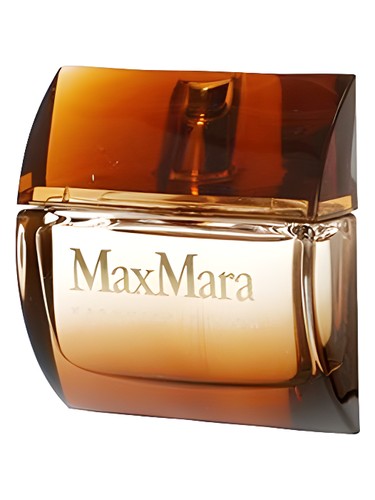
The first spray of Kashmina Touch delivers something unexpected from a fashion house better known for Italian tailoring than perfumery. There''s an immediate brightness—Amalfi lemon cutting through the air with Mediterranean clarity—but it''s softened almost instantly by something rounder, warmer, more indulgent. That''s the amaretto making its entrance, a note that could easily veer into gourmand territory but instead reads as sophisticated almond milk with just a whisper of sweetness. This opening contradiction sets the tone for everything that follows: a fragrance that refuses to be easily categorized, balancing brightness against warmth, sharpness against softness, in a way that feels both effortless and intentional.
The Scent Profile
The amaretto and Amalfi lemon pairing in the top notes creates an intriguing tension. Most citrus openings feel fleeting, scrubbed clean and gone within minutes. Here, the amaretto provides ballast, a creamy density that anchors the lemon''s volatility. It''s less "Italian pastry" and more "citrus grove at harvest time," where the air smells simultaneously of bright peels and the milk-white flesh of almonds scattered on the ground.
As the composition unfolds into its heart, bitter orange emerges with a sophisticated edge—this isn''t sweet Valencia orange but something more resinous, slightly green. The floral notes registered in the heart remain deliberately understated, more of a soft haze than distinct blooms. They add texture without demanding attention, allowing the woody structure beneath to gradually reveal itself. This middle phase is brief, a transitional moment where citrus begins its retreat and wood starts its advance.
The base is where Kashmina Touch truly declares its identity. Cashmere wood dominates with that signature velvety texture—soft yet substantial, warm without being heavy. Cedar adds structure, a dry woodiness that prevents the composition from becoming too plush or powdery. Musk weaves through everything, not the sharp synthetic musk of many modern fragrances but something closer to skin, almost imperceptible yet essential. The woody accord registers at 100% intensity, which makes perfect sense: this is fundamentally a wood fragrance wearing citrus as an accessory, not the other way around. That 58% musky rating explains the skin-like quality, while the 57% citrus keeps things from feeling too austere.
The 44% almond accord persists surprisingly far into the drydown, creating continuity between opening and finale. There''s a 39% fruity quality—likely from the bitter orange reading as slightly jammy—and a subtle 26% amber warmth that adds golden depth without veering into traditional oriental territory.
Character & Occasion
The community data tells a clear story: this is a fall fragrance first and foremost, registering at 100% seasonal appropriateness when autumn arrives. That makes intuitive sense—the cashmere wood accord practically demands crisp air and wool sweaters. Winter follows at 64%, which tracks with the warmth and enveloping quality of the base notes. Spring claims a modest 36%, likely those early spring days that still carry a chill, while summer lags at just 24%. This isn''t a fragrance that thrives in heat.
The day/night split is even more revealing: 100% day-appropriate but only 38% for evening. Kashmina Touch is a daylight fragrance, refined enough for professional settings yet approachable enough for casual wear. That citrus-wood combination reads as polished and put-together without the sultry depth or intensity that evening fragrances typically demand.
This is for someone who wants presence without projection, sophistication without trying too hard. It suits the woman who values quality fabrics, clean lines, understated luxury. Max Mara''s design aesthetic translated directly into scent.
Community Verdict
With 613 votes tallying to a 4.19 out of 5 rating, the community consensus is clear: Kashmina Touch deserves attention. That''s a genuinely impressive score, particularly for a fashion house fragrance from 2008 that never achieved blockbuster status. This isn''t faint praise or charitable scoring—it''s a solid endorsement from people who''ve actually worn it. The vote count suggests a fragrance that hasn''t been widely discovered but has won over nearly everyone who''s tried it. There''s something satisfying about that, a quiet excellence that doesn''t need massive marketing budgets or celebrity endorsements to prove its worth.
How It Compares
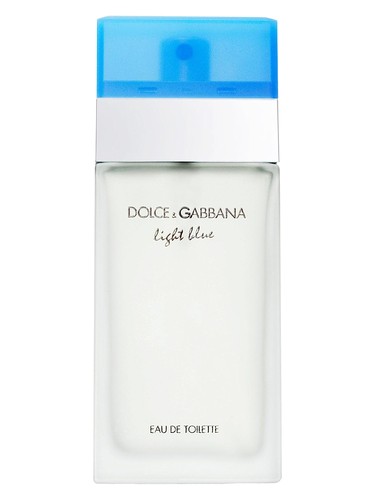
The similar fragrances list reads like a greatest-hits compilation: Light Blue, Dune, Narciso Rodriguez For Her, Euphoria, Coco Mademoiselle. That''s rarefied company, though the connections aren''t always obvious. Light Blue shares that citrus-over-woody structure. Dune has a similar cashmere softness and understated elegance. The Narciso Rodriguez connection likely comes from the musk-wood combination and skin-scent intimacy. Euphoria and Coco Mademoiselle feel like more distant cousins, perhaps united by that balance of freshness and warmth.
What sets Kashmina Touch apart is its restraint. Where Coco Mademoiselle projects sophistication loudly, Kashmina Touch whispers it. It occupies a middle ground between fresh and warm that few fragrances navigate successfully.
The Bottom Line
At 4.19 out of 5, Kashmina Touch represents the kind of hidden gem that makes fragrance exploration worthwhile. It''s not revolutionary, but it doesn''t need to be. What it offers is polish, wearability, and enough character to feel distinctive without being difficult. For anyone seeking a woody daytime fragrance with just enough citrus brightness to keep things interesting, this deserves sampling. It''s particularly worth considering if you''ve found supposedly similar fragrances like Light Blue too fleeting or Narciso Rodriguez too heavy.
The 2008 release date means this might require some hunting—Max Mara''s fragrance line hasn''t maintained the visibility of dedicated perfume houses—but that 613-person voting base suggests it''s still available and worth the search. For lovers of cashmere in both fabric and fragrance form, Kashmina Touch delivers exactly what its name promises.
AI-generated editorial review