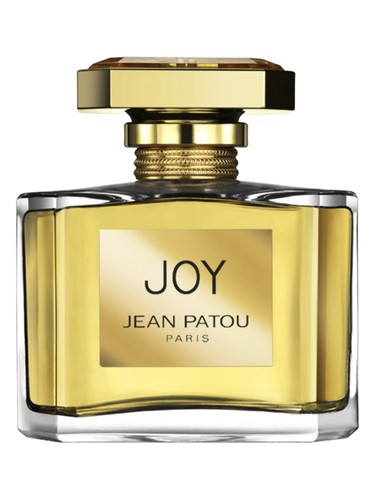
First Impressions
The first spray of Joy is an olfactory declaration of intent—this is not a fragrance that whispers. Bulgarian rose and ylang-ylang announce themselves with the confidence of a bygone era, when perfume was meant to be noticed, admired, and remembered. There''s an immediate opulence here, a white floral cascade that feels both vintage and timeless. The tuberose weaves through those opening moments with a creamy richness that borders on narcotic, creating an impression that''s simultaneously soft and overwhelming. This is the scent equivalent of walking into a Parisian salon in full bloom, where every surface seems to hold a vase of impossibly fresh flowers.
The Scent Profile
Joy''s composition unfolds as a masterclass in white floral harmony, living up to its dominant accord billing at 100%. Those opening notes of Bulgarian rose, ylang-ylang, and tuberose create a triumvirate of opulence that few modern fragrances dare to attempt. The Bulgarian rose carries a honeyed, almost spicy quality that prevents the opening from feeling too sweet, while the ylang-ylang contributes an exotic richness that verges on banana-like in its creamy fruitiness.
As the fragrance settles into its heart, jasmine and May rose take center stage—and this is where Joy truly earns its reputation. The jasmine here isn''t the sheer, airy interpretation found in contemporary florals; it''s dense, indolic, and unapologetically sensual. The May rose adds a bright, dewy dimension that keeps the composition from becoming too heavy, creating a push-pull tension between light and shadow. This heart accord explains the 70% rose classification, but it''s worth noting that this isn''t a soliflore—the rose is always in conversation with other florals, never standing alone.
The base notes of musk and sandalwood provide the necessary foundation for all that floral extravagance. The sandalwood brings a woody accord (34%) that grounds the composition without dulling its shine, while the musk adds a skin-like warmth that helps the fragrance meld with the wearer rather than sitting atop the skin. This is where Joy''s longevity comes into play—that base has staying power that justifies the investment.
Character & Occasion
Joy occupies an interesting space in the modern fragrance landscape. The data shows it''s suitable for all seasons, which speaks to its versatility—or perhaps to its timelessness. This isn''t a fragrance that bends to seasonal trends; rather, it exists outside of such considerations. In winter, its rich floral bouquet provides warmth and comfort; in summer, those same florals can feel like a garden in full bloom.
While the day/night data doesn''t show a clear preference, community feedback reveals that wearers gravitate toward Joy for special occasions, evening wear, and formal events. This makes intuitive sense—Joy was created during an era when perfume was part of one''s formal attire, and it still carries that ceremonial quality. This is a fragrance for moments that matter: opening nights, anniversary dinners, important celebrations. It''s decidedly not an everyday scent, which some will view as a limitation and others will appreciate as appropriate restraint.
The feminine classification feels accurate, though not because of any inherent quality in the notes themselves—plenty of masculine fragrances feature rose and jasmine. Rather, it''s the particular balance and intensity of Joy''s florals that align with vintage conventions of feminine perfumery.
Community Verdict
With a sentiment score of 8.5/10 based on 66 opinions, Joy commands significant respect within the fragrance community. That 3.93/5 rating from 2,744 votes tells a more nuanced story—this is a widely appreciated fragrance, but not universally beloved. The gap between community sentiment and broader ratings likely reflects the difference between dedicated fragrance collectors and general wearers.
The pros are consistent: community members repeatedly cite Joy''s iconic status and historical significance, positioning it as essential smelling for anyone serious about understanding perfume history. The excellent longevity and performance draw particular praise—this is a fragrance that doesn''t disappear after two hours, justifying its concentration of precious materials. The elegant, timeless composition resonates with those who appreciate classical perfumery construction.
The cons are equally instructive. The high price point appears repeatedly as a barrier to entry, which is historically accurate—Joy was marketed as "the costliest perfume in the world" when it launched. Some wearers also note that Joy can be challenging initially, requiring familiarity to fully appreciate. This isn''t a love-at-first-sniff fragrance for everyone; it asks something of its wearer, demanding patience and repeated exposure.
How It Compares
Joy exists in rarefied company. Its peer group includes 24 Faubourg by Hermès, Diorissimo by Dior, Arpège by Lanvin, Chanel No 5 Parfum, and Paloma Picasso—each a landmark in its own right. What distinguishes Joy within this constellation is its sheer concentration of floral materials. While Chanel No 5 is perhaps more famous, and Diorissimo more singular in its lily-of-the-valley focus, Joy presents the most uncompromising vision of white floral abundance.
Where 24 Faubourg offers a more contemporary take on florals with citrus brightness, Joy remains decidedly vintage in its construction. Against Arpège''s aldehydic shimmer, Joy feels warmer and more immediately floral.
The Bottom Line
Joy by Jean Patou is exactly what it claims to be: a landmark fragrance that justifies its place in perfume history. That 3.93/5 rating shouldn''t be read as mediocrity but rather as evidence of its polarizing nature—this is a fragrance with a specific point of view, and not everyone will share that vision.
The price remains a legitimate obstacle, but for those who can afford the investment, Joy delivers an experience that few modern fragrances can replicate. The longevity alone provides practical value, but that''s almost beside the point. You wear Joy for the same reason you might attend the opera or visit a museum: because some experiences deserve to exist beyond considerations of everyday utility.
Who should try it? Anyone building a fragrance education needs to smell Joy at least once. Those who love white florals without compromise will find much to adore. Collectors of vintage classics should consider it essential. But perhaps most of all, Joy is for those who understand that sometimes luxury isn''t about restraint—it''s about abundance.
AI-generated editorial review