First Impressions
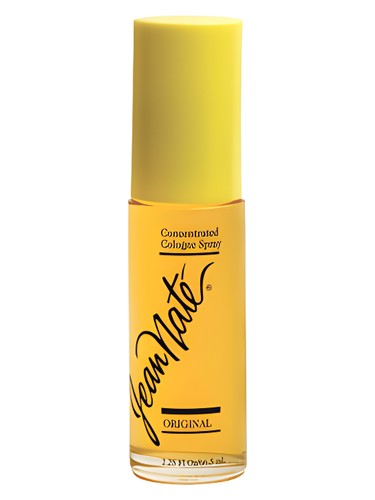
The first spray of Jean Naté feels like stepping into a sunlit bathroom in 1935, when a splash of cologne meant something entirely different than it does today. This is not a whisper—it''s an exuberant declaration of lemon and bergamot, lifted by an unexpected breath of lavender that keeps the citrus from veering into kitchen-cleaner territory. There''s an honesty to this opening, a straightforward brightness that doesn''t apologize for its volume or its cheerfulness. In an era where niche perfumery often traffics in complexity for complexity''s sake, Jean Naté arrives like a glass of cold lemonade on a porch: uncomplicated, refreshing, and exactly what it promises to be.
The Scent Profile
The citrus dominance here isn''t subtle—it registers at full strength in the community data, and your nose confirms it immediately. Lemon takes the lead with bergamot as its slightly softer companion, while lavender provides an aromatic counterpoint that explains why this fragrance wears differently than your average cologne. This isn''t just citrus; it''s citrus with an herbal backbone, a structure that gives Jean Naté its distinctive character and helps explain its longevity in the market.
As the initial brightness settles, the heart reveals a surprisingly complex floral-spicy blend. Geranium and rose provide a gentle, slightly green floral quality, while lily-of-the-valley adds its characteristic clean sweetness. Jasmine whispers from the background, never dominating, always supporting. The spicy notes here aren''t the warm, oriental spices you might expect—they read more as fresh and aromatic, reinforcing rather than contrasting with the citrus-lavender opening. This middle phase is where Jean Naté reveals its age in the best possible way: there''s a classical balance to these florals, a restraint that feels almost quaint compared to modern powerhouse heart notes.
The base brings unexpected warmth. Musk and sandalwood create a soft, skin-like foundation, while Virginia cedar adds a pencil-shaving woodiness that keeps things grounded. Tonka bean rounds out the composition with just enough sweetness to prevent the whole affair from becoming too austere. This woody-musky foundation explains how a citrus-forward fragrance manages to have any lasting power at all—though don''t expect this to anchor itself to your skin for eight hours. Jean Naté was born in an era when people reapplied freely, and it shows.
Character & Occasion
The data tells a clear story: this is a summer fragrance first and foremost, with spring as a strong second season. Those dominant citrus and aromatic accords simply don''t have much to say in cold weather, and the community agrees overwhelmingly. This is a daytime scent through and through—95% day wear according to user data—and trying to force it into evening territory would be like wearing tennis whites to a cocktail party.
Jean Naté shines in moments of transition: after a shower, before a casual lunch, during a weekend morning when you want to feel put-together without the weight of a serious perfume. It''s for anyone who finds themselves reaching for cologne-style fragrances when the temperature rises, who appreciates brightness over sultry depth, who wants to smell clean and approachable rather than mysterious or seductive. The feminine classification feels almost arbitrary here; this is a scent that simply leans fresh and floral enough to have been marketed to women in 1935, but its aromatic citrus character could easily find fans across any gender spectrum today.
Community Verdict
With 439 votes landing at a solid 4 out of 5 stars, Jean Naté has earned genuine respect from those who''ve tried it. This isn''t a cult favorite with a tiny, devoted following, nor is it a mass-market darling coasting on name recognition alone. That rating suggests a fragrance that delivers on its promises without necessarily revolutionizing anyone''s collection. The voters seem to appreciate it for what it is: a well-constructed, refreshing citrus scent with staying power in the market, if not always on the skin.
How It Compares
The comparison to 4711 Original Eau de Cologne makes immediate sense—both are citrus-forward classics with aromatic leanings and historical pedigree. But Jean Naté''s inclusion alongside Aromatics Elixir and Shalimar in the similar fragrances list hints at something more interesting: a shared vintage sensibility, perhaps, or a certain unapologetic boldness in presentation. While Oscar by Oscar de la Renta and Emeraude by Coty round out the comparisons, what becomes clear is that Jean Naté occupies a specific niche—the fresh, citrus-aromatic category of classic feminines that prioritize brightness and wearability over innovation or trend-chasing.
The Bottom Line
Jean Naté has survived nearly 90 years not because it''s groundbreaking, but because it''s reliable. This is the fragrance equivalent of a perfectly made gin and tonic: you know exactly what you''re getting, and sometimes that''s precisely what you need. At its likely modest price point, it represents excellent value for anyone seeking a no-nonsense summer refresher or a nostalgic connection to a simpler approach to fragrance.
Should you try it? Yes, if you appreciate citrus-aromatic scents and don''t need your fragrances to whisper when they could shout. Yes, if you''re curious about pre-war perfumery that''s still accessible today. Yes, if you want something cheerful and uncomplicated for hot weather. Skip it if you need projection that lasts all day, if you prefer modern sheer citrus musks, or if you simply don''t have room in your collection for joyful simplicity. That 4-star rating tells the truth: Jean Naté won''t change your life, but it might just brighten your morning.
AI-generated editorial review