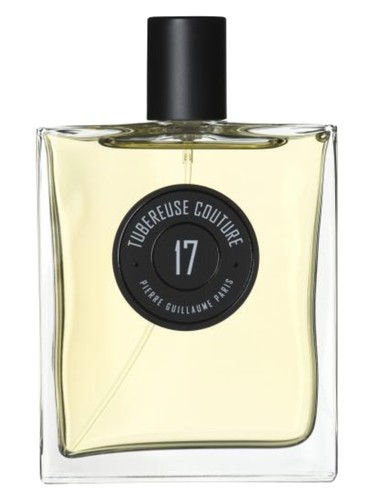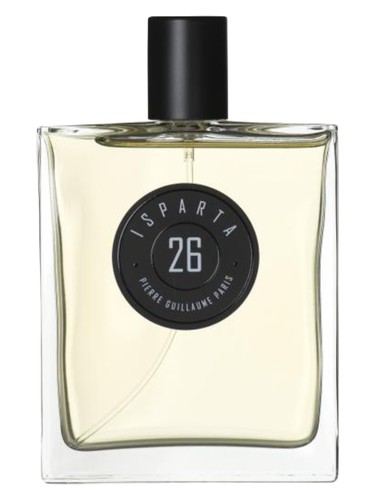
First Impressions
The first spray of Isparta 26 tells you everything you need to know about Pierre Guillaume''s philosophy: restraint is overrated. This is rose at its most unapologetically maximal—a Turkish rose harvested at peak bloom, macerated in amber resin, and studded with jewel-bright red berries that glisten like garnets against honeyed gold. There''s an immediate warmth here, a radiance that feels both ancient and utterly contemporary. The berry accord keeps things from veering into antique shop territory, offering a tart, jammy counterpoint to what could otherwise be a very serious rose indeed. Within minutes, you understand you''re wearing something constructed with technical precision and an artist''s abandon in equal measure.
The Scent Profile
Isparta 26 opens with that compelling rose-berry duet, but this is no simple floral-fruity composition. The rose references its namesake—Isparta, Turkey''s legendary rose-growing region—with a full-bodied richness that suggests actual petals rather than synthetic approximation. The red berries provide brightness without sweetness, more cranberry than strawberry, their tartness cutting through the rose''s natural density.
The heart reveals Guillaume''s true ambition. Patchouli arrives not as a hippie-shop cliché but as a sophisticated dark chocolate note, earthy and slightly bitter. Peru balsam brings its characteristic vanilla-cinnamon warmth, while calamus—an unusual choice—adds an aromatic, almost medicinal facet that keeps the composition from becoming too comfortable. This middle phase is where Isparta 26 asserts its spiced character, with the patchouli and balsam creating a warm, enveloping embrace that the initial rose settles into like a woman removing her coat in a candlelit room.
The base is where things get truly ambitious. Oud makes an appearance, though not in the aggressive barnyard style currently saturated in the market. Here it''s woven into a tapestry of olibanum (frankincense), benzoin, moss, and ambroxan—a resinous, slightly smoky foundation that feels both sacred and sensual. The amber accord, which the data confirms as the dominant signature at 100%, emerges fully formed in the drydown: honeyed, slightly powdery, radiantly warm. The moss adds a vintage touch, a whisper of old-school chypre sensibility that grounds all this opulence in something earthy and real.
Character & Occasion
The community data tells a clear story: Isparta 26 is built for cooler weather. With fall as its absolute sweet spot (100%) and strong showings in winter and spring (both 66%), this is decidedly not your summer vacation fragrance. At only 28% summer-appropriate, Isparta 26 makes no apologies for its weight and warmth. This is a coat-weather fragrance, meant for crisp air and falling leaves, for the first frost and the last snow.
Interestingly, it skews heavily toward daytime wear (80%) despite its amber richness and resinous depth. There''s something about that rose-berry opening and the overall polish of the composition that reads as sophisticated daylight elegance rather than evening seduction. That said, its 63% night rating confirms it''s versatile enough for dinner reservations or evening gallery openings.
This is marketed as feminine, and the rose-amber axis certainly aligns with traditional feminine fragrance architecture. But Guillaume''s handling is bold enough, woody enough (63% woody accord), and sufficiently grounded in patchouli and oud that adventurous wearers of any gender could pull it off. This is for those who want their rose dressed in amber and cashmere rather than dewy petals and green stems.
Community Verdict
With a rating of 3.96 out of 5 from 439 votes, Isparta 26 sits comfortably in "very good" territory. This isn''t quite the unanimous acclaim of certain modern classics, but it''s a solid endorsement from a substantial sample size. The rating suggests a fragrance that delivers on its promise—sophisticated, well-executed, worth the exploration—without necessarily reinventing the wheel. Some may find it plays within established niche fragrance conventions rather than breaking new ground, but execution at this level deserves respect.
How It Compares
The similar fragrances list reads like a who''s who of modern niche rose-amber compositions: Portrait of a Lady, Coromandel, Black Orchid, Baccarat Rouge 540, and Ambre Sultan. That''s exalted company, and Isparta 26 holds its own. Where Portrait of a Lady leans into patchouli-rose darkness and Black Orchid adds earthy truffle, Isparta 26 finds a middle path—warmer and more amber-forward than Portrait, more traditionally rose-centered than the increasingly ubiquitous Baccarat Rouge 540. It shares Coromandel''s incense-laden warmth and Ambre Sultan''s resinous depth, but maintains its own identity through that distinctive berry-laced opening and the careful calibration of its spice elements.
The Bottom Line
Isparta 26 represents Pierre Guillaume working confidently within the amber-rose genre without merely imitating its landmarks. At 3.96 stars, it''s a fragrance that clearly resonates with its audience—polished, wearable, technically accomplished. For those building a cooler-weather wardrobe of substantial, amber-rich fragrances, this deserves consideration alongside the more famous names it''s compared to, often at a more accessible price point.
Who should seek this out? If you''ve loved Portrait of a Lady but want something slightly less intense, if Coromandel speaks to you but you want more rose, if you''re drawn to the amber-rose-oud triumvirate but want it calibrated for daylight elegance—Isparta 26 warrants your attention. It''s a fragrance that understands its references without being enslaved to them, delivering Turkish rose and liquid amber with confidence and considerable charm.
AI-generated editorial review