First Impressions
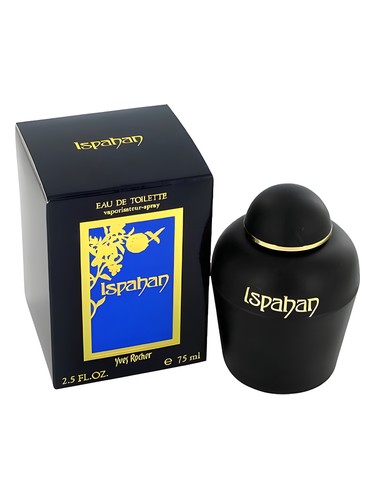
The first spray of Ispahan delivers an unexpected jolt of brightness—a sparkling collision of bergamot and mandarin orange lifted by aldehydes that shimmer like dust motes in amber-filtered light. But this citrus overture is fleeting, a brief moment of sunshine before the clouds roll in. Within minutes, something warmer, more insistent begins to emerge: a golden haze of yellow florals tinged with spice, sweetened with vanilla, and anchored by something unmistakably vintage. This is not the demure, translucent perfume you might expect from a 1977 drugstore offering. Ispahan announces itself with confidence, wearing its accessible price point like a secret only the wearer knows.
The Scent Profile
The opening act features bergamot and mandarin orange doing their best to keep things fresh, supported by aldehydes that add a soapy, effervescent quality and fruity notes that suggest ripe orchard harvests. But Ispahan has no intention of staying in the citrus grove. This introduction lasts perhaps fifteen minutes before the fragrance reveals its true nature.
The heart is where Ispahan becomes unmistakably itself: a lush, almost overwhelming bouquet dominated by ylang-ylang''s creamy indolic richness. Rose and jasmine provide classical floral structure, while mimosa adds powdery softness and lily-of-the-valley contributes a fleeting green brightness. But it''s the inclusion of clove and cinnamon that transforms this from pretty floral into something more complex and intriguing—these spices add warmth and a subtle bite, preventing the sweetness from becoming cloying. The effect is simultaneously comforting and exotic, like wandering through a spice market with armfuls of fresh flowers.
The base notes reveal Ispahan''s true ambitions. This is where the fragrance settles into its skin and refuses to leave. Nutmeg extends the spicy thread from the heart, while benzoin, vanilla, and tonka bean create a sweet, balsamic cushion. Frankincense and tolu balsam add resinous depth, patchouli provides earthy grounding, and amber wraps everything in its characteristic warmth. Sandalwood and musk round out the composition with creamy woods and a subtle skin-like intimacy. The result is a base that lingers for hours, evolving slowly from spiced sweetness into a soft, ambery glow.
Character & Occasion
The data tells a clear story: Ispahan is a creature of darkness and cold. With 92% of wearers choosing it for winter and 75% for fall, this is decidedly not a summer freshie. Its 100% night-time rating versus just 30% for daytime wear confirms what your nose already knows—this fragrance demands low lighting, cool air, and perhaps a velvet dress or cashmere sweater. Spring and summer barely register (20% and 19% respectively), and for good reason. Ispahan''s dense sweetness, heavy spice load, and ambery warmth would feel suffocating in humidity or heat.
This is a fragrance for evenings that stretch into night, for dinners where candlelight flatters and wine flows freely. It''s for the woman who appreciates vintage sensibilities but lives in the modern world, who wants presence without having to shout for it. The yellow floral accord (registering at 100% dominance) combined with amber (84%) and vanilla (79%) creates a golden, enveloping warmth—comforting yet confident, familiar yet not quite like anything else.
Community Verdict
With 2,244 votes yielding a 3.95 out of 5 rating, Ispahan sits comfortably in "beloved classic" territory. This isn''t a polarizing experimental fragrance that divides opinion sharply; instead, it''s gathered a substantial following of admirers who appreciate what it does well. Nearly four out of five stars from over two thousand reviewers suggests a fragrance that consistently delivers on its promises, even if it doesn''t revolutionize the genre. For a drugstore brand offering from the late 1970s, this level of sustained appreciation—decades after its release—speaks to genuine quality and staying power.
How It Compares
The comparison set reads like a who''s who of classic oriental florals: Chanel''s Coco Eau de Parfum, Lancôme''s Poeme, Guerlain''s Samsara, Cacharel''s LouLou, and Salvador Dali''s Parfum de Toilette. Ispahan holds its own in this prestigious company, offering similar warmth, spice, and amber-floral richness at a fraction of the price. Where Coco leans more baroque and resinous, and Samsara emphasizes its sandalwood, Ispahan distinguishes itself through its prominent yellow floral character and the interplay between fruity opening and spiced heart. It''s less austere than Coco, less meditative than Samsara, more golden than LouLou—occupying a sweet spot between approachability and complexity.
The Bottom Line
Ispahan deserves its 3.95 rating—it''s a very good fragrance that occasionally brushes against greatness. Its greatest strength is its refusal to smell cheap despite its accessible provenance. The spice-laden heart and substantial base give it weight and longevity that many contemporary designer fragrances lack, while the yellow floral dominance creates a distinctive character that sets it apart from generic amber orientals.
The fragrance''s main limitation is its singular focus: if you want versatility across seasons and occasions, look elsewhere. But if you want a reliable cold-weather evening companion that delivers vintage warmth without vintage pricing, Ispahan is worth every consideration. For those who love the orientals of the ''70s and ''80s but blanch at secondary market prices for discontinued classics, this Yves Rocher offering provides genuine quality at drugstore accessibility. It''s a reminder that sometimes, the best treasures hide in plain sight.
AI-generated editorial review