First Impressions
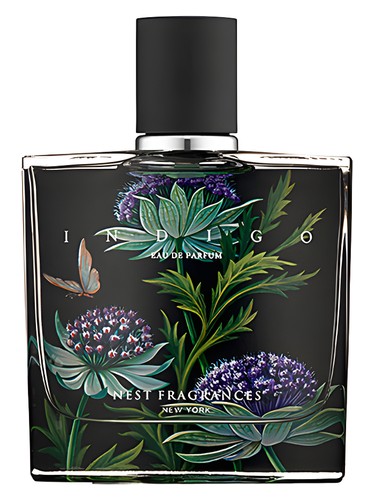
The first spray of Nest Indigo is an exercise in contradiction—and I mean that in the best possible way. What arrives on skin is simultaneously lush and restrained, a collision of ripe fig sweetness against the crisp snap of bergamot citrus. Within seconds, there''s a green quality that emerges, something vegetal and alive that makes you think of freshly snapped stems rather than the polished botanicals found in more conventional feminine releases. This isn''t a fragrance that announces itself with fanfare; instead, it settles into your personal space like an invitation to pause, to breathe, to notice the quieter pleasures around you.
The Scent Profile
Indigo opens with fig and bergamot—a pairing that feels both classic and cleverly balanced. The fig here isn''t the jammy, candied version you might encounter in gourmand fragrances; it''s greener, more natural, with that characteristic milky-latex quality of the actual fruit and leaf. The bergamot provides a citrus brightness that keeps things from veering too sweet, adding a tea-like quality even before the actual tea note makes its appearance.
As the fragrance settles into its heart, tea and cardamom take center stage, and this is where Indigo reveals its true character. The tea note—reported by the community to be impressively authentic—captures the slightly bitter, tannic quality of actual black tea. It''s not a sweet, honeyed interpretation; this is proper tea, the kind you''d steep in a ceramic pot and drink unsweetened. The cardamom adds a gentle spiciness, a whisper of warmth that prevents the composition from feeling too cool or austere. Together, these notes create a meditative quality, something contemplative and clean.
The base settles into cashmere wood, which provides a soft, musky-woody foundation that keeps Indigo grounded in the woody accord that dominates its profile (registering at 100% in the accord breakdown, with fruity notes at 99% and green at 97%). This isn''t an aggressive woody note—there are no sharp cedar edges or smoky oud intensities here. Instead, the cashmere wood lives up to its name: soft, enveloping, almost textile-like in its smoothness. It''s this base that allows the fragrance to maintain its fresh character while still providing enough substance to carry through hours of wear.
Character & Occasion
Here''s where Indigo proves its versatility: the data shows it works across all seasons, and there''s truth in that claim. The woody-green backbone gives it enough presence for cooler weather, while the fresh citrus and tea notes keep it perfectly wearable when temperatures rise. This is the rare fragrance that can transition from a humid summer morning to a crisp autumn afternoon without feeling out of place.
What''s particularly interesting is that the day/night data shows zero preference either way—a statistical anomaly that actually makes sense when you wear it. Indigo occupies that sweet spot of being polished enough for professional settings yet casual enough for weekend wear. It''s not trying to seduce or command attention; it''s simply well-composed and easy to wear. Think of it for casual office days, weekend brunches, coffee shop work sessions, or any moment when you want to feel put-together without broadcasting your presence.
This is decidedly a daytime fragrance in spirit, even if the numbers don''t explicitly say so. The fresh, clean profile and tea-forward composition feel most at home in natural light.
Community Verdict
With a solid 4.2 out of 5 rating from 3,500 votes and a positive sentiment score of 7.5 out of 10, the community clearly appreciates what Indigo brings to the table. Based on 70 Reddit opinions, the praise centers on its authenticity: people consistently highlight how well it captures genuine black tea notes, praising its fresh and clean character.
But honesty matters, and the community doesn''t hold back on the potential drawbacks. Some wearers report that Indigo can project a smoky or even cigarette-like quality on their skin—likely the result of the tea note''s tannic aspects combining with individual skin chemistry. This isn''t universal, but it''s worth noting for anyone sensitive to ashier, smokier accords.
Perhaps more telling is the observation that Indigo isn''t considered a standout in the tea fragrance category. It''s mentioned as a "solid option" and a "good choice" rather than the definitive tea scent. The community tends to discuss it alongside other tea fragrances rather than championing it as the singular best. For tea fragrance collectors and those seeking everyday fresh scents, it''s a worthy addition—just not necessarily the holy grail.
How It Compares
The similar fragrances list is revealing: Light Blue by Dolce&Gabbana, Burberry Her, Baccarat Rouge 540, Nest''s own Black Tulip, and Flowerbomb. It''s an eclectic group that speaks to Indigo''s hybrid nature—it shares the fresh fruity-woody DNA with Light Blue, the accessible femininity of Burberry Her, and the clean sophistication found in higher-end releases like Baccarat Rouge 540 (though without the latter''s cult status or price point).
Within the tea fragrance category specifically, Indigo holds its ground as an accessible, wearable option without reaching the artistic heights of niche tea compositions or the commercial dominance of certain designer releases.
The Bottom Line
Nest Indigo is that reliable friend who shows up when they say they will and makes every gathering just a bit more pleasant. With its 4.2 rating and positive community reception, it''s clearly doing something right—delivering an authentic tea experience wrapped in a woody-fruity package that''s genuinely wearable across seasons and occasions.
Is it groundbreaking? No. Will it convert those who think they hate tea fragrances? Probably not. But for anyone seeking a fresh, clean scent with genuine character and unusual green sophistication, Indigo deserves consideration. Just be aware of the potential smoky undertones, and if possible, test it on your skin before committing.
At its price point (generally under $100), it represents solid value for a fragrance that you''ll actually reach for regularly. Tea lovers, in particular, should give this one serious attention—it may not be the definitive tea scent, but it''s certainly an honest, well-crafted interpretation worth experiencing.
AI-generated editorial review