First Impressions
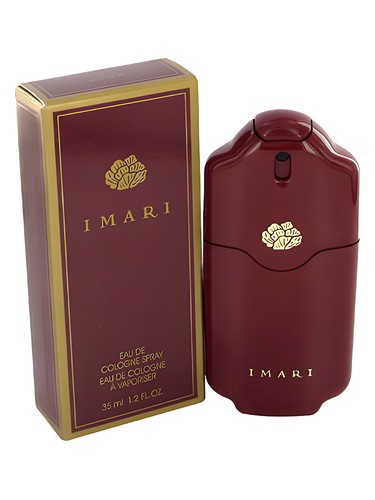
The first spray of Imari is a collision of contradictions—and that''s precisely its charm. A sharp burst of aldehydes greets you with the unmistakable signature of vintage perfumery, that sparkling, almost soapy effervescence that dominated the 1980s. But before you can categorize it as another nostalgic relic, the verdant bite of galbanum cuts through, grounding the composition in unexpected greenness. Bergamot adds a citric shimmer to the opening, but make no mistake: this isn''t a fresh, office-friendly scent. From the first moment, Imari announces itself as something more substantial, more demanding of attention. This is a fragrance that came of age when perfumes were worn as statements, not suggestions.
The Scent Profile
Imari''s evolution unfolds like a three-act drama, each phase revealing a different facet of its complex personality. Those opening aldehydes—sparkling and synthetic in the best possible way—create an almost champagne-like effervescence. The galbanum brings an herbal, slightly bitter green quality that prevents the composition from veering into pure prettiness, while bergamot adds just enough citrus brightness to keep things moving forward. This is a bold introduction, the olfactory equivalent of walking into a room with confidence.
As the top notes settle, the heart reveals Imari''s true vintage credentials. Orris root lends a powdery, aristocratic bearing to the composition, that distinctly retro quality that modern perfumery often shies away from. Tuberose arrives with creamy, indolic richness—not the sharp, green tuberose of contemporary fragrances, but a softer, more rounded interpretation. Ylang-ylang contributes tropical sweetness and a hint of banana-like fruitiness, while lily-of-the-valley adds a demure, almost innocent floral whisper. This white floral heart could have been cloying, but the powdery orris and that persistent green undertone keep it balanced between opulence and restraint.
The base is where Imari truly distinguishes itself from typical floral fragrances. Sandalwood and cedar provide the woody backbone that dominates the accord profile at 100%—this isn''t merely a supporting act but the star of the show. The woods are warm and enveloping, with cedar''s pencil-shaving dryness playing against sandalwood''s creamy smoothness. Musk adds skin-like intimacy, while amber brings resinous warmth. A whisper of vanilla rounds out the base, never sweet enough to transform this into a gourmand, but just present enough to soften those woods into something wearable. The result is a fragrance that wears closer to the skin than its bold opening suggests, settling into a powdery-woody embrace that feels both vintage and surprisingly modern.
Character & Occasion
Imari defies easy categorization when it comes to wearing occasions. The community data shows equal suitability for all seasons—a rare achievement that speaks to the fragrance''s balanced composition. That woody-powdery base gives it enough warmth for cooler months, while the aldehydic-green opening provides sufficient freshness for spring and summer wear. This is genuinely a year-round fragrance, adapting to weather and mood with equal grace.
What''s particularly intriguing is its versatility across day and night scenarios. Neither strictly daytime nor evening, Imari occupies that interesting middle ground—think afternoon meetings that extend into cocktails, weekend brunches that feel special, or any occasion that calls for polish without formality. The powdery quality leans slightly more mature, making this an excellent choice for women who appreciate classic perfumery but don''t want to smell dated. It''s also worth noting for younger wearers interested in exploring vintage aesthetics—this is an accessible entry point into 1980s perfumery without the potential heaviness of some period fragrances.
Community Verdict
With a rating of 3.58 out of 5 from 560 votes, Imari sits comfortably in "very good" territory—respectable without being extraordinary. This middle-ground rating actually tells an interesting story. It''s polarizing enough to avoid bland consensus, yet appealing enough to maintain a solid following nearly forty years after its release. The substantial vote count suggests genuine interest and continued wearing, not just nostalgic one-time sampling.
That rating reflects both Imari''s strengths and limitations. Those who appreciate vintage perfumery structures, unafraid of aldehydes and powder, rate it considerably higher. Conversely, those seeking modern transparency or minimalism find it too assertive, too much of its era. The fact that it continues to generate opinions and discussion decades after launch is itself noteworthy in an industry obsessed with novelty.
How It Compares
The list of similar fragrances reads like a perfume hall of fame: Chanel No. 5, Samsara, Dune, Obsession, Oscar. What''s remarkable is that an Avon fragrance holds its own in such company. Like Chanel No. 5, it leverages aldehydes for vintage glamour. Like Samsara, it features prominent sandalwood in the base. Like Dune, it balances floral elements with woody dryness. But Imari carves out its own identity by emphasizing that woody accord more heavily than its peers—it''s ultimately more about the base than the florals.
Where it differs from these prestige fragrances is projection and longevity, as might be expected from its accessible price point. But what Imari lacks in persistence, it compensates for in approachability and versatility.
The Bottom Line
Imari deserves its place in the conversation about 1980s perfumery, even if that conversation typically focuses on prestige releases. Its 3.58 rating reflects honest appreciation rather than blind enthusiasm—this is a good, occasionally very good fragrance that knows exactly what it is. The woody-powdery-green profile remains distinctive, and the composition shows genuine sophistication in its construction.
Who should seek it out? Anyone curious about vintage perfumery without the vintage price tag. Those who find modern fragrances too sheer or fleeting. Women who appreciate powder and woods over fruit and sugar. And certainly anyone who wore it decades ago and wants to revisit a scent memory that holds up better than expected. Imari isn''t trying to be revolutionary—it''s simply, confidently itself.
AI-generated editorial review