First Impressions
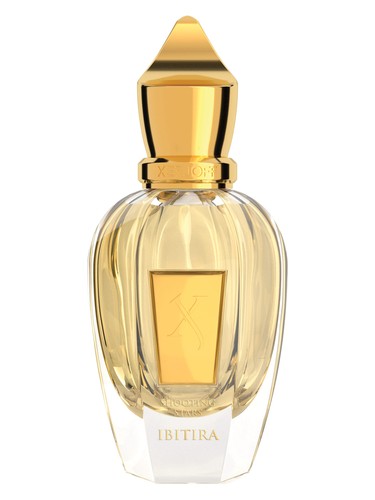
The first spray of Ibitira transports you to a sunlit garden where violet petals dust the air like fragrant snow. Named after a municipality in Brazil''s Bahia state, this 2009 Xerjoff creation opens with an unexpected brightness—lemon and orange blossom dancing together—before quickly surrendering to something altogether softer. Within moments, that characteristic powdery veil descends, a delicate cloud of violet that feels both vintage-inspired and remarkably wearable. This isn''t the sharp, green violet of Parma violets candies; it''s the tender, almost melancholic violet of pressed flowers between book pages, tinged with iris''s cool, rooty elegance.
The Scent Profile
Ibitira''s opening salvo presents a paradox: bright citrus notes—lemon and neroli—that seem determined to shine, immediately cloaked by violet and orange blossom. It''s as if the fragrance can''t quite decide whether to be a sparkling cologne or a powder puff, and in that indecision lies its peculiar charm. The lemon never shouts; it merely whispers of sunshine before the violet takes complete control.
The heart is where Ibitira truly reveals its intentions. Iris dominates here, bringing its characteristic lipstick-smooth texture and faintly metallic coolness. White flowers blend seamlessly with neroli and Damask rose, creating a bouquet that feels less like a garden in full bloom and more like a silk scarf draped over a dressing table, still holding yesterday''s perfume. The rose never turns syrupy or loud; instead, it contributes a gentle warmth that prevents the iris from becoming too austere. This is the stage where the fragrance''s powdery nature reaches its apex—a soft-focus effect that blurs all sharp edges into something dreamlike.
The base notes provide unexpected structure to all this softness. Vetiver adds an earthy, slightly grassy foundation that grounds the composition without weighing it down. Cedar brings a whisper of pencil shavings, woody but refined, while musk creates that skin-like intimacy that makes powdery fragrances so comforting. Vanilla appears last, never sweet enough to transform this into a gourmand, but present enough to add a subtle creaminess that ties everything together. The overall effect is a fragrance that starts bright, settles into supreme powderiness, and finishes with a woody-musky whisper that clings close to skin.
Character & Occasion
The data tells a clear story: Ibitira is overwhelmingly a daytime fragrance, beloved for spring wear at 89% preference, though it transitions gracefully into summer at 76% and even holds its own in fall at 72%. Winter, at 43%, is where it struggles—and understandably so. This is a fragrance that needs warmer air to bloom properly, that wants to float around you rather than huddle close for warmth.
It''s the perfect companion for those in-between days when the season hasn''t quite decided itself, when you need something more substantial than a simple citrus cologne but nothing as heavy as an amber oriental. Think garden parties, daytime weddings, spring business meetings, weekend brunch with friends. The 100% day versus 39% night rating confirms what the nose already knows: this is refined, polished, appropriate—perhaps too appropriate for evening drama.
This is a fragrance for those who appreciate subtlety, who understand that presence doesn''t require projection. It suits the person who prefers whispered compliments to turned heads, who values elegance over experimentation. It''s decidedly feminine in its composition, though the woody-earthy base notes prevent it from becoming excessively delicate.
Community Verdict
With a solid 4.19 out of 5 rating from 416 reviewers, Ibitira has earned genuine respect within the fragrance community. This isn''t a cult obsession with a tiny following, nor is it a divisive love-it-or-hate-it composition. Instead, it occupies that sweet spot of being widely appreciated—a rare achievement for something this unabashedly powdery. The substantial vote count suggests this isn''t just Xerjoff devotees padding scores; it''s a fragrance that has found its audience and delivered consistently on its promises.
How It Compares
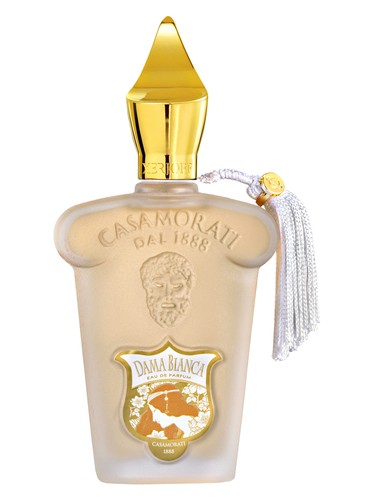
Positioned alongside fragrances like Prada''s Infusion d''Iris and Xerjoff''s own Dama Bianca, Ibitira inhabits the sophisticated realm of powdery florals with substance. It''s less austere than the Prada, warmer and more immediately approachable. Compared to Guerlain''s Shalimar Parfum Initial, it trades the oriental richness for woodier, more transparent textures. The comparison to Bal d''Afrique and Coco Mademoiselle suggests its versatility—it shares the former''s refined brightness and the latter''s polished wearability, though it''s ultimately softer than both.
Where Ibitira distinguishes itself is in its commitment to that powdery-violet character. While many modern fragrances flirt with powder, few embrace it so completely. This is a fragrance that knows what it is and makes no apologies.
The Bottom Line
Ibitira represents Xerjoff''s ability to craft fragrances that feel simultaneously classic and niche. At a price point typical of the brand—firmly in luxury territory—it delivers quality ingredients and expert blending, though whether that justifies the investment depends on your relationship with powdery compositions. If violet and iris speak to your soul, if you''ve been searching for that perfect spring signature, this deserves a place on your testing list.
However, if you prefer bold projection or evening drama, look elsewhere. This is a fragrance of restraint and refinement, of good taste and quiet confidence. It won''t announce your arrival, but it will leave a lasting impression on those lucky enough to come close. For lovers of classic feminine elegance with a modern polish, Ibitira is absolutely worth exploring.
AI-generated editorial review