First Impressions
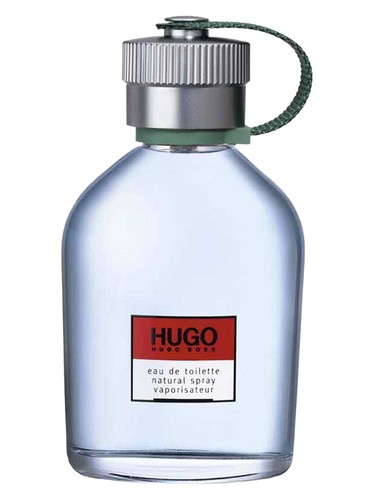
The first spray of Hugo is like biting into a green apple at altitude — all crystalline freshness with a bracing herbal edge. This 1995 release from Hugo Boss announces itself immediately with an unapologetic burst of aromatic intensity. Green apple leads the charge, but it''s not the candied sweetness of contemporary fruit notes. Instead, it''s tart and alive, woven tightly with cool mint, sharp grapefruit, and an unexpected whisper of basil that adds an almost culinary intrigue. Lavender grounds the opening, preventing it from veering into pure astringency, creating instead a kind of sophisticated freshness that feels both invigorating and purposeful. This is the olfactory equivalent of a cold shower on a warm morning — clarifying, energizing, undeniably masculine.
The Scent Profile
Hugo''s evolution follows a classical aromatic fougère trajectory, though with decidedly modern twists for its era. The opening act dominated by green apple, mint, and lavender maintains its grip for a solid 20-30 minutes, with grapefruit and basil providing citrus brightness and herbal complexity. This isn''t a subtle introduction; it''s fully aromatic (100% on the accord scale) with strong fresh spicy characteristics (91%), creating an opening that commands attention in any room.
As the initial brightness settles, the heart reveals unexpected refinement. Sage continues the herbal narrative but with earthier, more contemplative tones. Geranium adds a slightly metallic, green-rosy quality, while carnation brings its characteristic spicy clove-like warmth. The inclusion of jasmine might seem surprising in such an aggressively masculine composition, but it works as a softening agent, adding just enough floral roundness to prevent the scent from becoming too sharp or one-dimensional. This middle phase showcases the green accord (67%) beautifully, maintaining that verdant thread from top to base.
The dry-down grounds everything in a woody base of fir, cedar, and patchouli. The fir particularly stands out, adding a coniferous freshness that extends the green theme all the way through the fragrance''s life. Cedar provides clean, pencil-shaving woodiness, while patchouli — used with restraint here — adds just enough earthiness to anchor the composition without pulling it into overtly hippie territory. The woody accord registers at 53%, substantial enough to provide structure without overwhelming the aromatic freshness that defines Hugo''s character.
Character & Occasion
The data tells a clear story: Hugo is overwhelmingly a warm-weather, daytime fragrance. Spring scores 90% as its ideal season, with summer close behind at 82%. Fall drops to 44%, and winter limps in at just 23%. This makes perfect sense given its aromatic, green, and fresh character. The apple-mint opening would feel jarring in cold weather but sings in sunshine and moderate temperatures.
Even more definitively, Hugo registers as 100% day-appropriate versus just 30% for evening wear. This is a fragrance for activity — for the office, casual weekends, outdoor gatherings, gym-to-lunch transitions. It''s too bright, too energetic for formal evening occasions or intimate dinners. Think of it as the scent equivalent of a crisp white shirt and well-fitted jeans: casually confident, clean-cut, approachable.
The masculine coding is unmistakable. This was designed in an era when men''s fragrances didn''t apologize for being "for men," and Hugo wears that identity comfortably. It''s best suited for younger wearers or those who appreciate an unambiguous aromatic freshness — guys who want to smell clean, energetic, and uncomplicated.
Community Verdict
Here''s where Hugo''s story takes a melancholic turn. Despite a respectable 3.85/5 rating from over 5,000 votes, the fragrance receives minimal discussion in contemporary community spaces. The Reddit sentiment sits at a middling 5.5/10, reflecting mixed feelings, though this score deserves context: Hugo has been discontinued, which colors much of the conversation.
The most telling community data point is absence itself. There''s limited engagement, few detailed performance discussions, and minimal debate about its place in the modern fragrance landscape. The most substantive mentions come from users seeking alternatives after discovering they can no longer easily purchase it. This suggests Hugo meant something to individual wearers — enough to prompt searches for replacements — but hasn''t maintained the cult following or vocal advocacy that keeps other 90s fragrances in active rotation.
The discontinuation stands as the primary con. Nostalgia may be the only "pro" clearly evidenced in the community data, though the solid rating suggests that those who voted found it competent, if perhaps not extraordinary.
How It Compares
Hugo sits in interesting company. The similar fragrances list reads like a greatest-hits of masculine perfumery: Chanel''s Egoiste Platinum, Davidoff Cool Water, YSL La Nuit de l''Homme, Jean Paul Gaultier''s Le Male, and Dior Sauvage. These are heavy hitters, though they span different styles and eras.
The most apt comparison is probably Cool Water — both are aromatic aquatics from the 90s that helped define fresh masculinity for that decade. Where Cool Water went oceanic, Hugo went orchard-green. Both feel dated by contemporary standards but remain wearable for those who appreciate their straightforward approach. Hugo lacks the avant-garde creativity of Le Male or the marketing muscle that''s kept Sauvage dominant, but it carved its own niche in the aromatic-green category.
The Bottom Line
Hugo by Hugo Boss is a competent, well-constructed aromatic fragrance that''s become more interesting as a historical artifact than as a modern recommendation. That 3.85/5 rating from over 5,000 voters suggests broad approval rather than passionate devotion — it did its job well without inspiring zealotry.
The discontinuation issue looms large. While bottles can still be found through secondary markets, the lack of official availability makes Hugo hard to recommend to newcomers. Why invest in learning to love something you''ll struggle to repurchase?
For those who wore it in the 90s or early 2000s, Hugo may hold genuine nostalgic value. That green apple opening is distinctive enough to trigger memories. For modern audiences curious about how fresh masculinity was interpreted before the aquatic-amber dominance of the 2010s, Hugo offers an educational sniff — provided you can find it.
Should you seek it out? Only if you''re a completist interested in 90s aromatic masculines, or if you''re among the faithful searching for one last bottle. For everyone else, the energy spent hunting Hugo would be better directed toward its spiritual successors that are actually available on shelves.
AI-generated editorial review