First Impressions
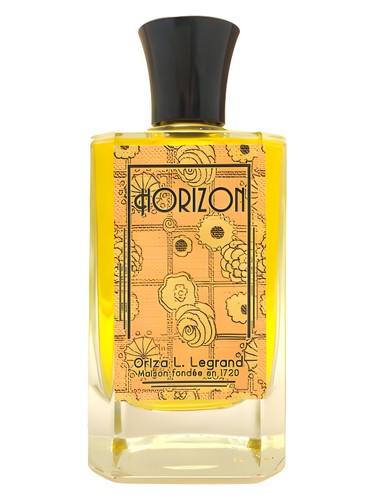
The first spray of Horizon cologne is a paradox wrapped in amber liquid. Your nose expects a straightforward citrus opening—this is, after all, a cologne from 1925—but what arrives is far more subversive. Marmalade sweetness collides with petitgrain''s bitter-green snap, while tangerine zest dances around an unexpected wisp of rose. It''s as if someone took a proper English breakfast scene and set it inside a gentleman''s smoking room, then opened all the windows to let autumn air rush through. This is not your grandfather''s cologne, even though it very well could have been.
Within moments, the fragrance announces its true intentions: this 100% woody composition (backed by 81% warm spicy accords) isn''t interested in the fleeting freshness typical of colognes. Horizon has weight, complexity, and a distinctly vintage sensibility that somehow feels utterly contemporary.
The Scent Profile
That opening marmalade-tangerine accord is more than a fleeting greeting. The citrus here carries a preserved, almost candied quality—think of orange peels steeped in sugar syrup rather than fresh fruit. Rose adds an old-world elegance, its presence subtle but crucial in preventing the petitgrain from tipping into harsh territory.
The heart is where Horizon reveals its century-old secrets. Patchouli (registering at 68% in the accord breakdown) anchors everything with its earthy, slightly medicinal depth, but it''s the supporting cast that makes this composition remarkable. Cacao appears not as chocolate sweetness but as roasted bean bitterness, lending a dusky quality that pairs beautifully with cognac''s boozy warmth. Tobacco leaf weaves through it all, complemented by oak''s tannic dryness and almond''s subtle nuttiness. There''s amber here too, adding resinous warmth that bridges the transition to the base.
The foundation is where Horizon becomes truly hypnotic. Peat smoke curls through white tobacco, creating an almost Scotch-like character that''s both refined and rugged. Leather emerges—not the aggressive kind found in modern fragrances, but soft, broken-in, like a well-loved jacket. Benzoin and vanilla provide sweetness without sacrificing sophistication, while honey adds a golden viscosity. Ambergris (or its accord) lends that indefinable marine warmth, salty and skin-like, that expensive fragrances deploy to create addictive wearability.
The overall effect is a fragrance that moves from bright to dark, sweet to smoky, straightforward to labyrinthine—all while maintaining remarkable coherence. That 47% cacao accord and 57% earthy quality ensure this never becomes cloying despite the honey and vanilla lurking in the base.
Character & Occasion
Horizon''s seasonal preferences are unmistakable: this is a fall fragrance first and foremost (100%), with winter a close second (89%). The combination of warm spices, tobacco, and woody notes creates a cocoon against cold weather, while those opening citrus notes prevent it from feeling oppressive. Spring wearers might find it approachable (29%), but summer is essentially off-limits (9%)—that patchouli and tobacco combination will feel suffocating in heat.
The day versus night split (62% day, 84% night) tells an interesting story. Horizon is versatile enough for daytime wear, especially in professional settings where its vintage character reads as refined rather than aggressive. But it truly comes alive in evening contexts, where lower light and closer quarters allow its complex base notes to work their magic. This is a fragrance for dinner parties, theater outings, autumn walks that stretch into evening, fireside conversations.
Originally marketed as masculine, Horizon''s rose, honey, and vanilla notes make it perfectly wearable for anyone who appreciates woody, spicy fragrances with gourmand undertones. The tobacco and leather give it gravitas; the marmalade and cacao give it playfulness.
Community Verdict
With 442 votes yielding a 4.09 out of 5 rating, Horizon has earned genuine respect from those who''ve encountered it. This isn''t a blockbuster with thousands of reviews, which speaks to Oriza L. Legrand''s niche status and the fragrance''s nearly century-old origins. But that rating—solidly above 4.0—indicates real enthusiasm from those in the know. This is a fragrance worth seeking out, even if it requires more effort than walking into a department store.
How It Compares
The similar fragrances list reads like a who''s who of modern patchouli-cacao-spice compositions: Tom Ford''s Black Orchid, Chanel''s Coromandel, Malle''s Portrait of a Lady, Mugler''s Angel, and Lutens'' Feminité du Bois. What''s striking is that Horizon predates all of them by decades, yet shares their DNA—that rich, sweet-woody, slightly baroque approach to perfumery that became fashionable again in the 2000s.
Where Horizon distinguishes itself is in its restraint. It has the bones of these modern powerhouses without their bombast. The patchouli is present but not overwhelming, the sweetness balanced by genuine bitterness from peat and tobacco, the woodiness substantial but not oppressive. It''s as if Horizon is the elegant grandparent that all those fragrances descended from, slightly quieter but no less compelling.
The Bottom Line
At 4.09 out of 5, Horizon cologne represents that sweet spot where historical significance meets genuine wearability. This isn''t a museum piece you spray once out of curiosity; it''s a legitimately compelling fragrance that happens to have nearly a century of history behind it.
Value assessment depends on your perspective. Oriza L. Legrand operates in the niche space, with pricing to match, but you''re paying for a formula that''s been refined since 1925 and a house with genuine heritage. For those who find the patchouli-cacao-tobacco profile appealing but want something less obvious than Black Orchid or less feminine than Portrait of a Lady, Horizon offers a compelling alternative.
Who should try it? Anyone who appreciates woody fragrances with complexity, those seeking alternatives to modern designer masculines, vintage fragrance enthusiasts, and anyone intrigued by the idea that perfumers in 1925 might have been onto something that took the rest of the industry 80 years to rediscover. Spray it in October, wear it into the night, and marvel at how something so old can feel so right.
AI-generated editorial review