First Impressions
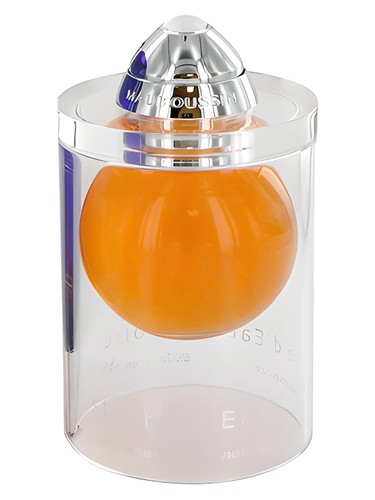
The name promises water—Histoire d''Eau, a story of water—but the first spray tells a different tale entirely. What greets your skin is a brilliant flash of mandarin orange woven through with the creamy, slightly narcotic sweetness of ylang-ylang. It''s a deceptive opening, like sunlight glinting off a surface before you realize what lies beneath. Within moments, warmth begins to radiate upward, and you understand: this isn''t about water at all. This is about fire, controlled and sophisticated, wrapped in the elegant guise of a 2002 French creation that refuses to play by the rules of its era.
Mauboussin, better known for their jewelry than their fragrances, crafted something genuinely surprising here. While the early 2000s saw the market flooded with saccharine fruity florals and aggressively fresh aquatics, Histoire d''Eau charted its own course—a spice-forward composition that earned its 4.17 out of 5 rating from 360 voters through sheer distinctiveness.
The Scent Profile
The mandarin orange opening is bright but never shrill, its citrus oils providing just enough lift to keep the ylang-ylang from becoming too heady. Ylang-ylang can be a tricky note—too much and it veers into fuel-like territory—but here it''s measured, offering its characteristic banana-custard richness without overwhelming the composition. This opening act lasts perhaps twenty minutes before the real performance begins.
The heart is where Histoire d''Eau reveals its true character. Nutmeg, cardamom, and pepper form a triumvirate of warmth that dominates the fragrance''s evolution. The nutmeg brings a dusty, slightly sweet spiciness; cardamom adds its eucalyptus-tinged coolness (a coolness that paradoxically reads as warming on skin); and pepper provides a crackling, almost electric quality. This isn''t the polite sprinkle of spice found in many feminine fragrances—it''s assertive, bordering on masculine, yet the ylang-ylang threads from the opening continue to anchor it firmly in feminine territory. The fresh spicy accord registers at 100%, and you feel every percentage point.
As the fragrance settles into its base, leather emerges alongside amber, myrtle, and musk. The leather isn''t the aggressive, gasoline-tinged variety; it''s softer, more like suede that''s been warmed in autumn sunlight. Amber provides resinous depth, musk adds skin-like intimacy, and myrtle—a less common base note—contributes a subtle green-woody quality that keeps the composition from becoming too heavy. This base phase can last six to eight hours, slowly fading to a warm skin scent that hovers close to the body.
Character & Occasion
The community data tells a clear story: this is a cold-weather fragrance first and foremost. Fall receives a perfect 100% suitability rating, winter follows at 71%, while spring (36%) and summer (22%) trail considerably behind. That spice-heavy composition simply has too much thermal presence for hot weather; wearing Histoire d''Eau on a summer day would feel like donning a cashmere sweater in August.
Interestingly, it skews heavily toward daytime wear (90%) despite having respectable evening credentials (70%). This versatility speaks to the fragrance''s sophistication—it''s bold enough for night but refined enough for professional settings. Picture it in a fall office environment: distinctive without being disruptive, warm without being cloying. It would pair beautifully with structured clothing, leather accessories, and confident attitudes.
This isn''t a fragrance for someone seeking safe, crowd-pleasing comfort. The woman who wears Histoire d''Eau appreciates spice, isn''t afraid of standing out, and probably has a few pieces in her wardrobe that similarly defy easy categorization.
Community Verdict
A 4.17 out of 5 rating from 360 votes places Histoire d''Eau firmly in "very good" territory. This isn''t a niche darling with a handful of devotees inflating the score, nor is it a massively popular release with thousands of reviews. Instead, it occupies a sweet spot: well-regarded by those who''ve discovered it, yet flying somewhat under the radar in the broader fragrance conversation.
The rating suggests consistency—people who try it generally appreciate what they find, even if it doesn''t become their signature scent. There''s no indication of wild divisiveness in the numbers; rather, steady approval from a community that values its distinctive spicy-leather profile.
How It Compares
The similar fragrances list reads like a greatest hits of bold feminines: Kenzo Jungle L''Éléphant, Obsession by Calvin Klein, Shalimar, Coco by Chanel, and L de Lolita Lempicka. What unites these fragrances is their refusal to whisper when they could speak—they''re all statement scents with significant spice, amber, or oriental elements.
Histoire d''Eau sits comfortably among these classics, though it''s arguably more approachable than Obsession''s intensity or Shalimar''s bombastic opulence. It shares Coco''s spiced sophistication but with more prominent citrus brightness. Against these iconic comparisons, Mauboussin''s creation holds its own, offering a more affordable entry point to this style of perfumery without sacrificing quality.
The Bottom Line
Histoire d''Eau deserves more attention than it receives. At over two decades old, it''s proven its staying power—fragrances don''t maintain 4.17 ratings without genuine merit. The spice-forward composition feels almost prescient now, anticipating the current appetite for bold, unisex-leaning fragrances that prioritize character over mass appeal.
If you love spice, appreciate leather accords, and want something distinctive for autumn and winter wear, this is absolutely worth sampling. It won''t be for everyone—those who prefer fresh florals or clean musks should look elsewhere—but for the right wearer, it tells a compelling story. Just not the watery one you''d expect.
AI-generated editorial review