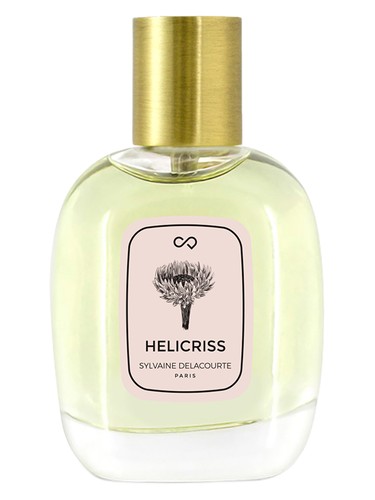
First Impressions
The opening of Helicriss announces itself with an unexpected duality—rosemary''s herbal punch colliding with cinnamon''s sweet heat, all while bergamot tries to mediate between them. It''s not the gentle unfurling you might expect from a feminine fragrance; instead, there''s an almost confrontational brightness here, a kind of Mediterranean market energy where spice vendors set up next to fruit stalls. The warmth is immediate—that 100% warm spicy accord doesn''t wait for an invitation—but it''s laced with enough citrus brightness (81%) to keep things from veering into autumn territory too quickly. This is a fragrance that makes you reconsider what "warm" can mean when the sun is still high.
The Scent Profile
The top notes stage an unusual negotiation. Rosemary and cinnamon should, by all logic, feel heavy together, but the bergamot acts as a prism, refracting their intensity into something more wearable. The cinnamon here isn''t the Red Hots candy variety—it''s drier, more bark than sweet, playing into that 67% fresh spicy character that distinguishes this from gourmand territory.
As Helicriss settles, the heart reveals its real peculiarity: grapefruit and lemon appearing alongside tonka bean. On paper, this reads like a mistake. Citrus and tonka rarely share the same sentence, let alone the same developmental phase. Yet here they create a sun-warmed sweetness, as if someone drizzled honey over citrus peels left too long in Mediterranean heat. The tonka doesn''t soften so much as it gilds, adding a subtle vanillic shimmer that hints at the sweetness (62%) without fully committing to it.
The base is where Sylvaine Delacourte''s vision becomes clear. Immortelle—helichrysum, the eternal flower that gives this fragrance its name—dominates with its characteristic curry-maple-straw complexity. This is the note that polarizes, and it''s front and center here, supported by benzoin''s resinous warmth and a surprisingly restrained patchouli. The musk provides a skin-like foundation, but make no mistake: immortelle is the star, broadcasting that herbal (71%) and aromatic (81%) character that makes Helicriss so distinctive. If you''ve never made peace with immortelle''s peculiar dried-flower intensity, this fragrance will test your boundaries.
Character & Occasion
Helicriss presents a seasonal paradox that the community data illuminates beautifully. It scores 83% for summer and 79% for fall—nearly equal enthusiasm for opposite seasons. This makes sense once you understand the composition''s split personality. The citrus and herbal elements read as summer, evoking sunbaked lavender fields and seaside herb gardens. The warm spices and immortelle, meanwhile, channel fall''s golden light and crisp air.
What''s less ambiguous is its daytime identity. With a 100% day score versus 37% for night, Helicriss is unequivocally a sunshine fragrance. It lacks the density and projection for evening drama, instead offering a personal, skin-hugging warmth that works for casual settings and professional environments alike. This is brunch rather than dinner, linen rather than silk.
The feminine designation feels somewhat arbitrary here. The herbal and spicy dominance could easily find an audience among those who prefer traditionally masculine aromatic fougères but want something with more personality. It''s feminine in the way that French style is feminine—effortless rather than ornamental, with an edge of intellectual curiosity.
Community Verdict
A 3.58 out of 5 rating from 391 voters tells a story of appreciation rather than adoration. This isn''t a crowd-pleaser, and it doesn''t seem to aspire to be. The score suggests a fragrance that rewards curiosity and punishes those seeking safe, universally beloved compositions. Immortelle is inherently divisive—some detect maple syrup and dried flowers, others perceive curry and celery. That polarization likely accounts for the solid-but-not-stellar rating.
What''s notable is the voter count itself. Nearly 400 votes for a niche fragrance from a relatively small house suggests genuine interest and discovery. These aren''t casual samplers; they''re people who sought out Sylvaine Delacourte''s work and engaged with it meaningfully.
How It Compares
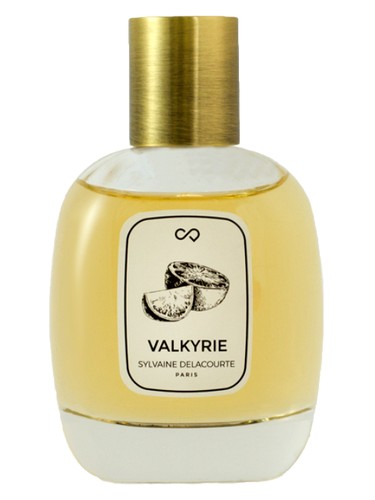
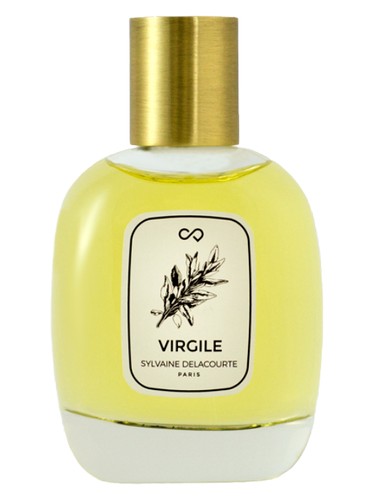
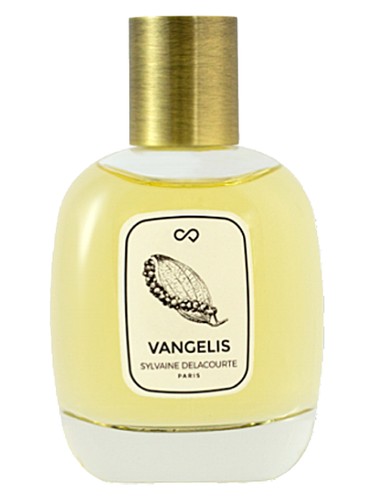
The similar fragrances list reads like a primer in sophisticated immortelle and tonka compositions. Diptyque''s Eau Duelle shares that vanillic warmth but takes a decidedly spicier, more unisex route. The three other Delacourte fragrances listed—Valkyrie, Virgile, and Vangelis—demonstrate the perfumer''s consistent interest in bright, unconventional compositions that challenge easy categorization.
The Shalimar reference is particularly interesting. While Helicriss lacks Shalimar''s animalic depth and powder, both share that golden warmth and a refusal to be relegated to a single season or mood. Where Shalimar is operatic, however, Helicriss is more like chamber music—intimate and requiring attention.
The Bottom Line
Helicriss occupies an unusual position: sophisticated enough for seasoned collectors, bright enough for newcomers, yet potentially too unconventional for either camp to embrace wholeheartedly. That 3.58 rating reflects this in-between status—it''s good, often very good, but it asks questions rather than providing easy answers.
Who should seek this out? Anyone fascinated by immortelle''s divisive beauty. Those who find most feminine fragrances too sweet or too floral. People who live in climates where summer and fall blur together, where you might need a jacket on an August evening or wear short sleeves in October. And anyone tired of fragrances that announce themselves from across the room—Helicriss rewards proximity and contemplation.
Is it worth exploring? Given the relatively accessible niche price point and Delacourte''s growing reputation, absolutely. Just know that you''re trying something deliberately off-center, a fragrance that finds its beauty in tension rather than harmony. Sometimes the most interesting conversations happen when voices don''t quite agree.
AI-generated editorial review