First Impressions
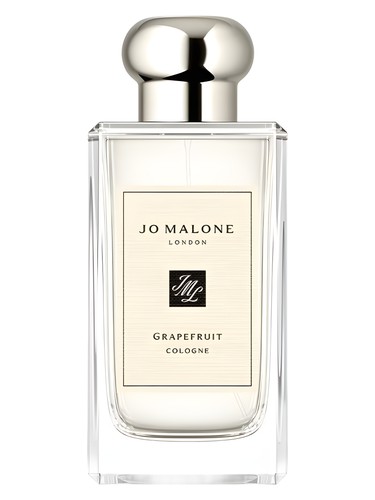
The first spray of Jo Malone London''s Grapefruit is an unapologetic wake-up call. There''s no subtle introduction, no coy unveiling—just pure, sun-drenched citrus that hits your senses like a splash of cold water on a sweltering morning. The grapefruit and tangerine burst forth with an almost aggressive brightness, a deliberate statement from a 1992 release that helped define what fresh fragrance could mean in the modern era. This isn''t the polite, powdery femininity that dominated perfume counters three decades ago. Instead, it''s crisp, almost androgynous in its clarity, wearing its citrus heart so boldly that everything else must bend to accommodate it.
The Scent Profile
That opening citrus explosion—registering at a perfect 100% in the citrus accord—dominates the first fifteen minutes with tangerine sweetness tempering grapefruit''s characteristic bitterness. But Jo Malone London wasn''t content to create just another fleeting cologne. The heart reveals unexpected complexity: rosemary and mint arrive with an aromatic punch (95% aromatic accord), their herbal coolness threading through the citrus like a Mediterranean breeze. Then comes the surprise—paprika adds a fresh spicy dimension (67%), a subtle warmth that prevents the composition from veering into generic territory, while jasmine softens the edges with just enough floral sweetness to remind you this was marketed as feminine.
The base is where Grapefruit earns its staying power and its 58% woody accord rating. Vetiver grounds the brightness with its earthy, almost smoky quality, while oakmoss and patchouli provide that essential depth. The patchouli here isn''t the heavy, hippie-incense variety—it''s restrained, adding just enough earthiness (43% earthy accord) to anchor what could otherwise float away like citrus vapor. There''s a subtle green quality (35%) that persists throughout, tying the composition together with a sense of crushed leaves and stems.
The evolution isn''t dramatic—this fragrance knows what it is and commits fully to that identity from first spray to final dry-down.
Character & Occasion
The data tells a clear story about Grapefruit''s natural habitat: this is a summer fragrance through and through (99% summer rating), with strong spring credentials (66%) but little business in the cooler months. At 20% for fall and a mere 14% for winter, attempting to wear this during sweater season would feel as out of place as flip-flops in February.
With a perfect 100% day rating and only 13% night appropriateness, Grapefruit makes no pretensions about being an evening seductress. This is a daylight fragrance—ideal for morning meetings, weekend brunches, or any situation where you want to project freshness and clarity rather than mystery or sensuality. The aromatic and citrus dominance makes it remarkably versatile for warm-weather activities: it won''t wilt in humidity, won''t overwhelm in close quarters, and maintains that crisp, just-showered aura that feels appropriate from boardroom to beach.
While originally positioned as feminine, the composition''s aromatic backbone and woody base make it genuinely unisex territory. The 1992 release date is significant—this was early in Jo Malone''s mission to create fragrances that prioritized freshness over traditionally gendered sweetness or muskiness.
Community Verdict
Here''s where the picture gets murky. With 1,057 votes landing at a 3.68 out of 5 rating, Grapefruit sits firmly in "good but not great" territory. That''s a respectable middle ground, but for a fragrance from such an influential brand, it suggests some significant reservations.
The Reddit community data reveals an intriguing silence—the discussions analyzed didn''t contain substantive conversation about Grapefruit specifically. This absence is itself telling. In an era where niche releases and Instagram-worthy bottles dominate fragrance discourse, a thirty-year-old citrus cologne—even from Jo Malone London—may feel too safe, too familiar to generate passionate debate. The neutral sentiment score (0 out of 10, falling into the "mixed" category) reinforces this: Grapefruit isn''t offensive enough to hate or distinctive enough to champion zealously.
This likely reflects the fragrance''s central paradox: it helped establish the template for modern fresh fragrances, but that very success means it now competes in a category it helped create, against countless imitators and evolutions.
How It Compares
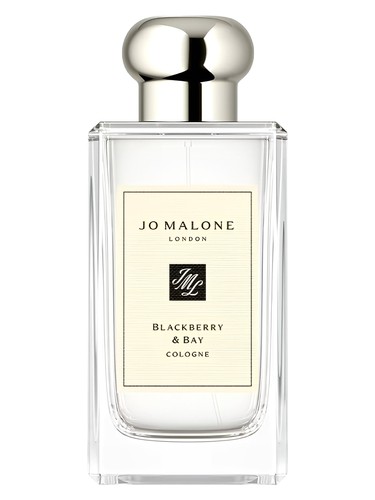
The similar fragrances listed tell us where Grapefruit sits in the hierarchy: alongside heavyweights like Terre d''Hermès, Chanel''s Chance Eau Fraiche, and Dolce & Gabbana''s Light Blue. It shares DNA with its Jo Malone siblings Lime Basil & Mandarin and Blackberry & Bay—all part of the brand''s citrus-aromatic signature.
What sets Grapefruit apart is its straightforwardness. Where Terre d''Hermès adds mineral complexity and Light Blue goes aquatic, Grapefruit commits fully to its namesake note without apology. This is both its strength and limitation—it delivers exactly what''s promised, but surprises are minimal.
The Bottom Line
A 3.68 rating and mixed community sentiment might seem like a lukewarm endorsement, but context matters. Grapefruit isn''t trying to be a masterpiece—it''s trying to be a reliable, wearable fresh fragrance that does one thing exceptionally well. And by that metric, it succeeds.
The real question is whether "reliable" is enough in today''s crowded market. For those seeking a no-nonsense citrus fragrance with quality ingredients and decent projection for daytime summer wear, Grapefruit delivers. The aromatic herbs and woody base give it more sophistication than drugstore body sprays, while the straightforward composition means you know exactly what you''re getting.
However, at Jo Malone''s price point, the lack of distinctiveness becomes harder to justify. Grapefruit was groundbreaking in 1992; today it''s a well-executed classic in a category it helped spawn. Worth trying if you''re a citrus completist or Jo Malone devotee, but don''t expect revelation—expect exactly what a fragrance called "Grapefruit" should smell like, executed with British restraint and quality materials.
AI-generated editorial review