First Impressions
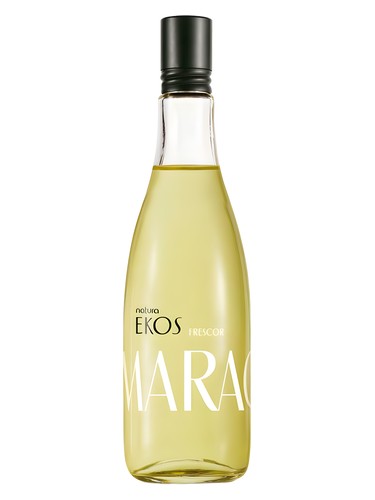
The first spray of Frescor de Maracujá is like stepping onto a Brazilian beach at sunrise—immediate, bright, and utterly joyful. Passionfruit announces itself with unabashed confidence, its tangy-sweet nectar mingling with the sharp clarity of bergamot and mandarin orange. This isn''t a shy introduction; it''s a burst of tropical exuberance that demands attention. Underneath that fruit-forward opening, there''s an unexpected herbal twist—rosemary and anise add a green, slightly aromatic edge that prevents the composition from veering into syrupy territory. A crisp apple note rounds out this effervescent opening, contributing a clean, almost aqueous quality that feels like sunshine filtered through palm fronds.
The Scent Profile
Natura''s 2003 creation unfolds like a perfectly orchestrated summer day. The opening act is dominated by that glorious passionfruit, which remains the star throughout the fragrance''s evolution. The citrus trio of bergamot, mandarin, and the supporting apple create a luminous halo around the maracujá, while rosemary and anise provide an herbal backbone that keeps the sweetness in check. This isn''t just fruit for fruit''s sake—there''s genuine complexity in how these bright, zesty elements interact.
As the initial effervescence settles, the heart reveals a surprisingly classical floral bouquet. Violet brings a soft, powdery sweetness, while lily-of-the-valley adds its characteristic green freshness. Rose and jasmine weave through these lighter florals, lending depth and a touch of romance without overwhelming the tropical character established at the opening. This is where Frescor de Maracujá shows its sophistication—the florals never compete with the fruit; instead, they complement it, like white flowers blooming in an orchard.
The base notes ground this sun-soaked composition with woody warmth. Sandalwood and cedar provide a creamy, smooth foundation, while oakmoss adds an earthy, slightly bitter quality that sophisticated perfume lovers will recognize from classic chypre compositions. Musk ties everything together with a clean, skin-like softness. These base notes don''t dominate—they simply anchor the tropical fruit and florals, ensuring the fragrance has staying power beyond its brilliant opening.
Character & Occasion
This is unequivocally a summer fragrance—the community data confirms what the nose immediately recognizes, with a commanding 96% summer rating. Spring claims a respectable 71%, but as temperatures drop, so does this perfume''s relevance (26% for fall, just 13% for winter). Frescor de Maracujá is about heat, sunshine, and bare skin—it simply doesn''t translate to sweater weather.
The day versus night statistics tell an even clearer story: 100% day, only 20% night. This is a fragrance for morning errands, beach outings, garden parties, and lunch dates. It''s the olfactory equivalent of a white linen dress or a cotton sundress—fresh, casual, and radiantly optimistic. Evening wear would require a lighter hand and perhaps a very specific warm-weather vacation context.
Who should wear this? Anyone seeking an antidote to grey skies and artificial air conditioning. It''s particularly well-suited to those who appreciate fruity fragrances but want something beyond the typical berry-laden confections that dominated early 2000s perfumery. The tropical accord (88%) sets it apart, while the woody base (84%) ensures it doesn''t read as purely juvenile.
Community Verdict
With 1,374 votes yielding a 3.95 out of 5 rating, Frescor de Maracujá has earned genuine appreciation from a substantial community. This isn''t a niche darling with handful of devoted fans, nor is it a polarizing experimental composition. Instead, it occupies that sweet spot of being broadly appealing while maintaining enough character to inspire loyalty. A rating just shy of 4.0 suggests a fragrance that delivers on its promises—it won''t revolutionize your fragrance wardrobe, but it excels at what it sets out to do: capture Brazilian summer in liquid form.
How It Compares
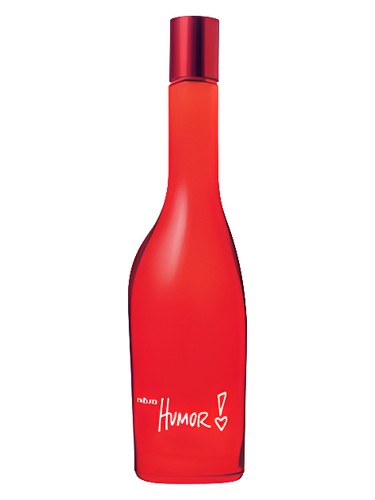
The listed similarities place Frescor de Maracujá in distinguished company. Light Blue by Dolce&Gabbana, perhaps the defining summer fragrance of the 2000s, shares that citrus-forward, effortlessly fresh character, though Light Blue leans more Mediterranean while Frescor embraces tropical fruit more boldly. Within Natura''s own lineup, it sits alongside Humor 1 and siblings Frescor de Pitanga and Frescor de Açaí—clearly part of a Brazilian-fruit-focused collection that celebrates the country''s biodiversity.
Floratta in Blue by O Boticário suggests this fragrance occupies a distinctly Brazilian niche—accessible, fruit-forward compositions that prioritize wearability and joy over conceptual complexity. Where Frescor de Maracujá distinguishes itself is in that surprising woody-mossy base, which elevates it beyond simple fruit cocktail territory.
The Bottom Line
Frescor de Maracujá deserves its strong community rating. It accomplishes exactly what its name promises: the freshness (frescor) of passion fruit, rendered in a wearable, broadly appealing composition that never sacrifices character for mass appeal. The 2003 launch date is telling—this predates the tropical fruit explosion in mainstream perfumery, giving it a certain pioneering charm.
Is it groundbreaking? No. Will it challenge your perceptions of what perfume can be? Probably not. But on a hot summer day, when you want something that feels like liquid sunshine, when you need a fragrance that brings immediate joy without demanding contemplation, Frescor de Maracujá delivers beautifully. The woody base gives it more sophistication than typical fruit fragrances, while the passionfruit keeps it unmistakably Brazilian in spirit.
For those with access to Natura''s offerings, this is worth exploring—particularly if you''ve found fragrances like Light Blue too understated or generic berry scents too cloying. At its rating level, it represents solid value and genuine wear-ability. Just remember: this is a fair-weather friend. Save it for the warmest, brightest days, and it will reward you with pure, uncomplicated tropical bliss.
AI-generated editorial review