First Impressions
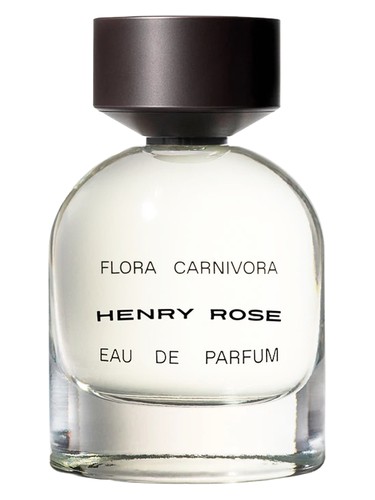
The name Flora Carnivora promises danger—a Venus flytrap in fragrance form, perhaps, or a tuberose with teeth. What arrives in the first spray is something altogether more nuanced: a bright cascade of neroli and African orange flower that feels less like an attack and more like a disarming smile. There''s sweetness here, certainly, but it''s cut with something sharper, a green citrus bite that suggests this particular flora isn''t quite as innocent as it first appears. The opening hovers in that liminal space between fresh and heady, a white floral that announces itself with confidence but hasn''t yet revealed all its secrets.
The Scent Profile
Flora Carnivora opens with a luminous citrus burst dominated by neroli and African orange flower. These aren''t the scrubbed-clean, soapy orange blossoms of classic colognes; there''s a richer, more narcotic quality lurking beneath the brightness. The African orange flower brings an indolic edge that hints at the intensity to come, while the neroli provides sparkling effervescence—champagne bubbles rising through honey.
As the fragrance settles into its heart, the true nature of this carnivore emerges. Jasmine sambac and tuberose form a classic white floral pairing, but there''s nothing demure about their presentation here. The tuberose, in particular, asserts itself with that characteristic creamy opulence tinged with rubber and gasoline—the scent of a flower that blooms most intensely after dark. The jasmine sambac adds its own sultry warmth, less sharp than its grandiflorum cousin, with notes of ripe fruit and milk. Together, these notes create a wall of white floral intensity that dominates the composition, explaining why the white floral accord registers at maximum strength.
The base is where Flora Carnivora reveals its softer underbelly. Musk provides a skin-like intimacy, wrapping those assertive florals in something warmer and more wearable. Haitian vetiver adds an earthy, almost smoky quality—root to the flower''s bloom—while Texas cedar contributes a dry, pencil-shaving woodiness that keeps the composition from veering into cloying territory. Amber rounds everything out with subtle warmth, though it never overwhelms. This base acts as ballast, grounding those soaring white florals in something terrestrial and real. The musky and woody accords, while secondary to the florals, play crucial supporting roles in making this scent more than just another tuberose bomb.
Character & Occasion
Flora Carnivora is unequivocally a warm-weather fragrance. Its peak performance comes in spring, where its combination of citrus brightness and floral exuberance feels perfectly calibrated to blooming gardens and increasing temperatures. Summer claims it nearly as strongly, at 82%—this is a scent that thrives in heat, where those white florals can fully expand and project. By fall, its relevance drops significantly, and winter sees it barely register as appropriate, which makes sense for a fragrance so firmly rooted in the language of fresh blossoms and sun-warmed skin.
The day-to-night split tells an equally clear story: this is overwhelmingly a daytime fragrance, suited to 87% of daylight occasions versus just 22% of evening wear. Despite tuberose''s reputation as a night-blooming seductress, Flora Carnivora''s bright citrus opening and airy quality keep it firmly in brunch-to-cocktail-hour territory. Think garden parties, outdoor lunches, farmers market Saturdays, or office environments where you want to smell polished but not overpowering. This isn''t the tuberose you wear to seduce; it''s the one you wear to make yourself feel effortlessly put-together.
Community Verdict
With a rating of 3.51 out of 5 from 398 votes, Flora Carnivora occupies interesting middle ground. This isn''t a universally adored masterpiece, but neither is it a failure. That score suggests a fragrance that delivers on its promises without necessarily exceeding expectations—competent, pleasant, and wearable, but perhaps not transcendent. The substantial vote count (nearly 400 reviewers) indicates genuine interest and trial, so this isn''t an obscure release flying under the radar. Rather, it''s a fragrance people are actively seeking out and forming opinions about, even if those opinions don''t skew toward universal acclaim.
How It Compares
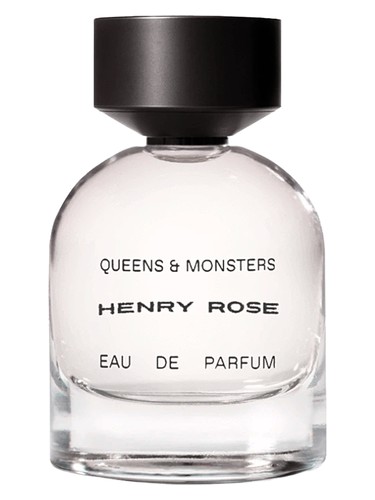
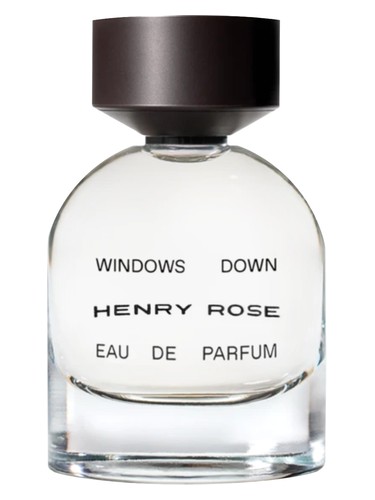
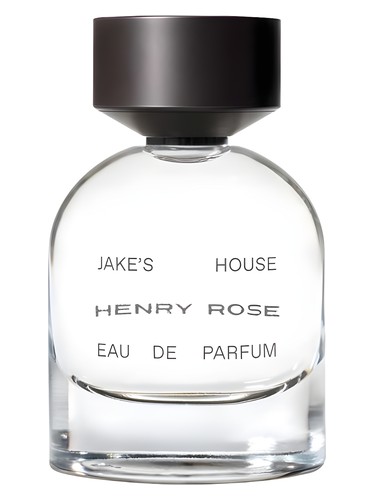
Henry Rose positions Flora Carnivora within a constellation that includes several in-house siblings: Windows Down, Jake''s House, and Queens & Monsters. This suggests a brand building a cohesive olfactive identity with recognizable through-lines. The comparison to By Kilian''s Love Don''t Be Shy is intriguing—that marshmallow-sweet neroli confection occupies gourmand-floral territory, suggesting Flora Carnivora shares some of that approachable sweetness despite its more dramatic name. Valentino Donna Born In Roma rounds out the comparisons, another modern white floral that balances accessibility with sophistication. Within this group, Flora Carnivora distinguishes itself through its particular emphasis on tuberose and that subtle animalic quality (23%) that gives it more edge than your typical fresh floral.
The Bottom Line
Flora Carnivora is best understood as a gateway white floral—a fragrance that introduces wearers to tuberose''s intensity without demanding they fully commit to its more challenging facets. The 3.51 rating reflects this positioning: high enough to recommend with confidence, but not so elevated as to suggest universal appeal. For someone curious about white florals but intimidated by the genre''s reputation for heaviness, this offers an accessible entry point with enough character to remain interesting.
At its heart, this is a spring and summer daytime fragrance for those who want to smell distinctly floral without retreating into powdery vintage territory or aggressive modern sweetness. If you''ve found yourself drawn to fresh, luminous florals that maintain some depth, Flora Carnivora deserves a test. Just don''t expect the bite its carnivorous name promises—this flora may have teeth, but it''s learned to smile instead.
AI-generated editorial review