First Impressions
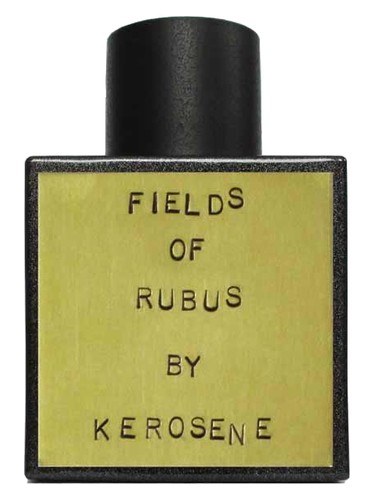
The first spray of Fields of Rubus lands like a walk through wild brambles after rain—but not the sanitized, candy-shop version of berry you might expect. This is fruit with dirt under its fingernails. Kerosene''s 2012 release opens with an unapologetic wave of raspberry sweetness, but there''s something darker lurking just beneath the surface. Within moments, you sense the earthiness to come: a whisper of patchouli and something almost soil-like that keeps this from veering into dessert territory. It''s disarming in the best way, announcing itself as a fragrance that refuses to play by conventional rules. For a scent marketed as feminine, it carries a confident androgyny that becomes more apparent with each passing minute.
The Scent Profile
While Kerosene hasn''t disclosed the specific note breakdown for Fields of Rubus, the fragrance''s evolution tells its own story through dominant accords. The opening is pure fruity exuberance—that 100% fruity accord rating isn''t hyperbole. Raspberry takes center stage with a jammy, almost wine-like intensity that borders on photorealistic. But this isn''t a simple fruit soliflore; the 81% sweet accord ensures richness without cloying, suggesting possible vanilla or tonka support in the background.
As the fragrance settles into its heart, the woody elements (76%) begin their conversation with the fruit. This is where Fields of Rubus reveals its complexity. Patchouli emerges with increasing confidence (65% accord rating), bringing that characteristic earthy depth that transforms the bright berries into something more contemplative. It''s not the head-shop patchouli of decades past, but rather a refined, almost humus-like quality that grounds the composition.
The base reveals why this fragrance draws comparisons to tobacco-forward compositions. While the tobacco accord registers at 42%, it''s enough to add warmth and subtle smokiness to the dry down. Combined with the warm spicy notes (40%), the final stages of Fields of Rubus feel like autumn incarnate—ripe fruit fallen onto forest floor, slowly returning to earth. That "soil-like drydown" the community celebrates isn''t a bug; it''s the defining feature that separates this from countless other berry fragrances.
Character & Occasion
Fields of Rubus is fundamentally a cool-weather creature. The data confirms what your nose suspects: this fragrance achieves its full glory in fall (100% seasonal suitability) and winter (77%). The combination of sweet fruit and earthy patchouli creates the olfactory equivalent of a favorite wool sweater—comforting, enveloping, with just enough edge to stay interesting. Spring wearability drops to 54%, and summer to a modest 30%, which makes sense given the richness and projection that would feel suffocating in heat.
Interestingly, the day/night split sits at an even 69% for both, suggesting genuine versatility. This isn''t a fragrance that demands evening wear, nor does it disappear into inoffensive daytime wallpaper. The fruity opening makes it approachable for office environments, while the woody-patchouli base carries enough gravitas for dinner or evening events. That balance is harder to achieve than it sounds.
Despite its feminine classification, the strong woody and patchouli elements make Fields of Rubus a prime candidate for fragrance lovers of any gender. The androgynous quality that surfaces after the initial fruit blast has made it a favorite among those who find gendered fragrance categories restrictive.
Community Verdict
The r/fragrance community speaks with near-unanimous enthusiasm, awarding Fields of Rubus a solid 8.2/10 sentiment score across 18 opinions. The praise centers on several key strengths: the "beautiful balance of raspberry and patchouli notes" gets mentioned repeatedly, with users appreciating how Kerosene managed to marry seemingly disparate elements into a coherent whole.
Longevity stands as another major selling point, with reports of 11+ hours of wear time. In an era where many niche fragrances prioritize uniqueness over staying power, Fields of Rubus delivers both. That "unique earthy, soil-like drydown" divides some noses but converts many—it''s the signature that makes this fragrance memorable rather than merely pleasant.
The cons are relatively minor but worth noting. The sweetness level, while balanced by earthier elements, won''t appeal to those who prefer bone-dry compositions. More significantly, Kerosene''s status as a niche brand means limited availability—this isn''t something you''ll stumble upon at department stores. Several community members specifically noted purchasing full bottles after testing, which speaks volumes about conversion rates.
How It Compares
The similar fragrance list reads like a greatest-hits compilation of prestigious sweet-woody-tobacco fragrances: Tom Ford''s Tobacco Vanille and Black Orchid, Frapin''s 1270, By Kilian''s Back to Black, and even Creed''s Aventus. That Fields of Rubus holds its own in this company—at presumably a fraction of the price of some comparisons—says much about its quality.
Where Tobacco Vanille leans into creamy vanilla-tobacco luxury and Black Orchid embraces gothic opulence, Fields of Rubus offers something earthier and more grounded. The raspberry focus distinguishes it from these siblings, as does the soil-like quality in the base. It occupies a unique space: sophisticated enough to satisfy experienced noses, but approachable enough for those just exploring beyond mainstream offerings.
The Bottom Line
With a rating of 3.77 out of 5 from 391 votes, Fields of Rubus sits comfortably in "very good" territory—not a universal masterpiece, but a fragrance with a devoted following who truly love what it offers. That rating feels honest: this isn''t for everyone, but for those it clicks with, it clicks hard.
The value proposition is strong, particularly given the reported longevity and the quality of composition relative to its luxury comparisons. Anyone who loves fruit fragrances but craves more complexity, patchouli devotees seeking something beyond hippie clichés, or those hunting for all-day autumn and winter signatures should absolutely seek out a sample.
Fields of Rubus proves that Kerosene''s reputation for unconventional compositions is well-earned. This is a fragrance that trusts its vision—sweet and earthy, pretty and dirty, accessible and strange. Sometimes the most interesting paths are the ones that lead through the brambles.
AI-generated editorial review