First Impressions
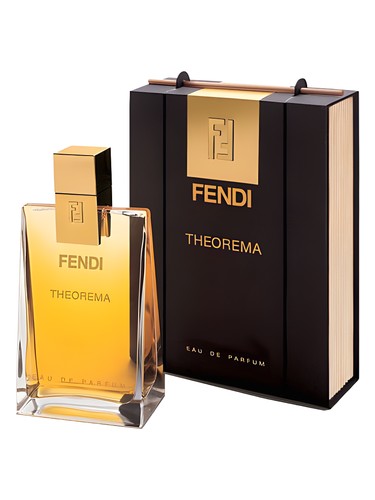
The first spray of Fendi Theorema arrives like a thesis written in spice ink—bold, intellectually structured, yet undeniably sensual. This 1998 creation opens with an unexpected academic rigor: nutmeg and cardamom present themselves not as supporting players but as primary arguments, backed by the sharp punctuation of pepper and the bright citric annotations of lemon. It''s a fragrance that announces itself with confidence, the kind of scent that makes you straighten your posture and reassess your presence in a room. The initial blast is uncompromisingly warm, with that 100% warm spicy accord dominating from the very first moment, yet there''s a sophisticated freshness here too—Brazilian rosewood and orange blossom weaving through the heat like cool marble floors in a sun-drenched palazzo.
The Scent Profile
Theorema''s structure reveals itself in three distinct movements, each building upon the mathematical precision suggested by its name. The opening is a complex equation of contrasts: nutmeg''s sweet warmth balanced against pepper''s bite, cardamom''s green-eucalyptus facets playing off lemon''s brightness. Brazilian rosewood adds an almost vintage quality, a nod to classic perfumery that grounds the composition in tradition even as orange blossom, jasmine, and rose hip introduce floral softness. This top accord is remarkably textured—you can almost feel the granular quality of ground spices, the oils releasing their aromatic compounds in waves.
The heart is where Theorema makes its most assertive statement. Cinnamon steps forward prominently—that 31% cinnamon accord emerging as a defining characteristic—supported by an orchestra of spices that intensify the composition''s warmth. Carnation adds its clove-like spiciness, creating layers upon layers of heat, while ylang-ylang introduces a creamy, almost banana-like sweetness that prevents the spices from becoming overwhelming. Osmanthus brings its peculiar apricot-suede texture, and rose adds classic floral depth. This is the stage where Theorema transforms from fresh-spicy to deeply, envelopingly warm.
The base is pure luxury: amber and Siam benzoin create a resinous sweetness that feels like liquid gold, while guaiac wood, sandalwood, and patchouli form a woody foundation that anchors all that spice and warmth. The 40% amber accord and 45% woody accord work in concert here, creating a finish that''s both plush and grounded, sweet but not cloying, warm but never suffocating. This is a base that lingers for hours, slowly fading but never losing its character.
Character & Occasion
Theorema is unequivocally a cold-weather companion, with winter scoring 100% and fall at 91% in seasonal preference. This makes perfect sense—its enveloping warmth would be oppressive in summer heat but becomes absolutely sublime when temperatures drop. The numbers tell the story: only 22% find it suitable for summer, while spring sits at a modest 26%. This is a fragrance for crisp autumn evenings, winter galas, and the transitional moments when you need scent as armor against the chill.
Interestingly, while it performs well during the day (74%), Theorema truly comes alive at night (85%). There''s something about artificial light and evening air that amplifies its sensuality, transforming those spices from invigorating to seductive. Picture it at a holiday dinner party, a museum opening on a December evening, or a sophisticated autumn wedding. This isn''t a casual fragrance—it demands attention and rewards those willing to wear something substantial.
The woman who wears Theorema is confident, cultured, and unafraid of presence. She''s not looking to blend in or wear something safe. With a 4.35 out of 5 rating from 1,814 votes, this fragrance has proven itself to a substantial audience who appreciates complexity over simplicity.
Community Verdict
Unfortunately, Fendi Theorema doesn''t appear in the provided community discussions from Reddit''s fragrance forum, making it impossible to capture specific user experiences, praised qualities, or concerns from that platform. This absence itself tells a story—Theorema, despite its strong rating and significant vote count, may not be generating the active discussion reserved for either controversial releases or current trendy favorites. It exists in that interesting space of well-regarded classics that have their devoted admirers but haven''t captured the zeitgeist of contemporary fragrance discourse.
How It Compares
Theorema positions itself firmly in the late-90s oriental tradition, sharing DNA with powerhouse fragrances like Yves Saint Laurent''s Opium (1977), Dior''s Dolce Vita, and Chanel''s Coco Eau de Parfum. Like these reference points, it embraces warmth, spice, and unabashed femininity. The comparison to Kenzo Jungle L''Elephant makes sense given both fragrances'' spicy orientations and bold personalities, while the Tom Ford Black Orchid connection speaks to Theorema''s dark, luxurious sensibility.
What distinguishes Theorema is its particular balance—it''s warmer and more cinnamon-forward than many of its peers, with that fresh-spicy opening (43%) providing lift that some heavier orientals lack. It''s more approachable than Opium''s density, more structured than Jungle''s wildness, yet just as confident as any of them.
The Bottom Line
Fendi Theorema deserves its impressive 4.35 rating. This is sophisticated perfumery from an era when brands weren''t afraid to make bold statements, when fragrances were allowed to be complex and challenging rather than immediately pleasing. At over two decades old, it remains remarkably relevant for anyone seeking substantial, warm-spicy orientals.
The value proposition depends on availability—Theorema was discontinued, making it a hunt-worthy treasure for those who connect with its formula. If you love warm spices, appreciate vintage-style orientals, and want something with genuine personality for cold weather, this is absolutely worth seeking out. It won''t suit everyone—those preferring fresh, light, or minimalist scents should look elsewhere—but for the right wearer, Theorema solves an equation they didn''t know needed solving.
AI-generated editorial review