First Impressions
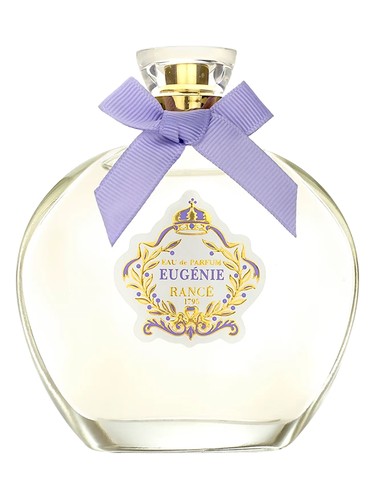
The first spray of Eugenie transports you to a sun-drenched spring garden where white flowers reign supreme. There''s an immediate burst of freshness—citrus and fruit dancing together in a composition that feels both classic and unexpected. The melon note, so often maligned in modern perfumery for its synthetic sweetness, here finds a sophisticated expression alongside lily-of-the-valley''s delicate greenness. Mandarin and bergamot provide the initial sparkle, while passionfruit and blackcurrant add a juicy, almost tactile quality. This isn''t the soft-focus white floral you might expect from a heritage house like Rance 1795; it announces itself with confidence, a crystalline clarity that commands attention from the very first moment.
The Scent Profile
Eugenie''s composition unfolds like a watercolor painting—vivid at first, then gradually softening into something more ethereal. The top notes create a complex tapestry where white florals (scoring 100% in the main accords) immediately establish dominance, yet they''re thoroughly enrobed in fruit. The ylang-ylang contributes its creamy, slightly narcotic sweetness, while the melon—part of that prominent 63% fruity accord—adds an aqueous quality that keeps the composition from becoming too heavy.
As the fragrance settles, the heart reveals its romantic intentions. Peach lends a velvety softness, while jasmine and rose provide the classical floral backbone expected from a French perfume house. But it''s the supporting players that elevate this composition: violet leaf adds a fresh, green facet, magnolia brings its lemony coolness, and neroli contributes a bitter-orange sophistication. This middle phase represents Eugenie at its most balanced, where the 55% floral accord harmonizes beautifully with lingering fruit and a subtle 52% ozonic quality that gives everything an airy, almost crystalline transparency.
The base, unfortunately, is where many wearers find Eugenie''s Achilles heel. Iris, sandalwood, vanilla, oakmoss, amber, and vetiver comprise an impressive list on paper—a foundation that should provide hours of development. The 47% woody accord suggests substance, yet the reality is more delicate. These base notes whisper rather than speak, creating a soft, powdery-woody finish that, while lovely, proves frustratingly ephemeral for those expecting the longevity typically associated with such a substantial note pyramid.
Character & Occasion
The data tells a clear story: Eugenie is unequivocally a spring fragrance, scoring 99% for that season. This is a perfume born for the first warm days of the year, when gardens awaken and the air carries that particular freshness unique to spring mornings. It performs admirably in summer as well (68%), though the fruity-floral character might feel a touch too delicate for those seeking something more robust in warmer weather. Fall and winter wearers need not apply—at 30% and 16% respectively, Eugenie simply wasn''t composed for cooler months.
The day/night split is even more pronounced: 100% day versus a mere 23% night. This is a daytime companion through and through, best suited for brunch dates, garden parties, office environments where you want to make a subtle impression, or any occasion where you need something fresh, approachable, and unquestionably feminine. Those seeking evening drama should look elsewhere.
Community Verdict
The Reddit fragrance community offers a nuanced, if somewhat conflicted, perspective on Eugenie. With a sentiment score of 7.2 out of 10 based on 41 opinions, the fragrance sits firmly in "good, not great" territory—a position echoed by its broader 3.78/5 rating from 454 votes.
Devotees praise its "dreamy and unique scent with beautiful note interplay," highlighting how the melon and lily-of-the-valley create something distinctive that stands apart from typical mainstream offerings. For these fans, Eugenie possesses a character worth celebrating, particularly for those seeking non-mainstream alternatives.
However, the criticisms are equally pointed. The most consistent complaint centers on "fleeting performance with short longevity on skin"—a significant weakness that prevents many from reaching for it regularly. The fragrance''s divisive nature means it hasn''t achieved broad appeal despite its quality construction. Perhaps most tellingly, it receives limited mentions in community discussions, suggesting it occupies a quiet corner of the fragrance landscape rather than generating passionate debate.
How It Compares
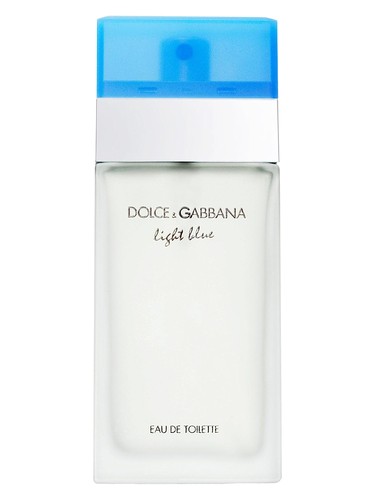
Positioned alongside giants like J''adore by Dior, Chance Eau Tendre by Chanel, and Pure Poison by Dior reveals both Eugenie''s aspirations and its limitations. These comparisons make sense—all share that white floral-fruity DNA with citrus brightness. Light Blue by Dolce & Gabbana offers a similar fresh, daytime accessibility, while Organza by Givenchy shares a certain romantic French sensibility.
Where Eugenie distinguishes itself is in its particular melon-lily-of-the-valley opening, which feels less ubiquitous than J''adore''s signature or Chance Eau Tendre''s grapefruit-quince combination. However, its niche positioning means it lacks the refinement and longevity of these designer powerhouses, despite coming from a house with heritage dating to 1795.
The Bottom Line
Eugenie presents a paradox: a beautifully composed fragrance hampered by its own transience. At 3.78 out of 5, it earns respectable marks without achieving greatness—a fair assessment given its divided reception. For those who connect with its particular alchemy of white florals, melon, and spring-garden freshness, it offers something genuinely distinctive. The question becomes whether that distinctiveness justifies the investment when longevity proves so disappointing.
This is best suited for collectors seeking hidden gems from heritage houses, those who prioritize uniqueness over performance, or anyone building a fragrance wardrobe specifically for spring daytime wear. If you''re someone who reapplies fragrance throughout the day without complaint, Eugenie''s fleeting nature becomes less of a liability. But those expecting all-day performance from a single spray will find frustration here.
Consider Eugenie a special-occasion fragrance in the truest sense—not because it''s too bold for everyday wear, but because its ephemeral beauty makes each wearing feel like capturing a moment that won''t last. Sometimes, that''s exactly what you want. Other times, you need something more enduring.
AI-generated editorial review