First Impressions
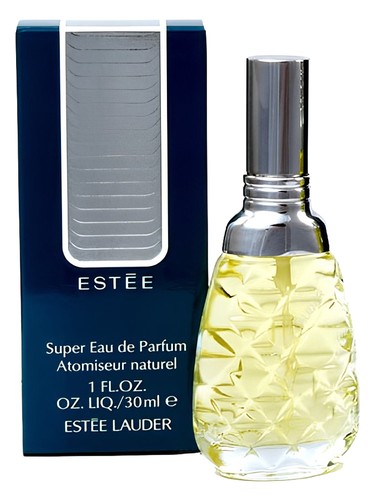
The first spray of Estée is like stepping into a Park Avenue apartment circa 1968—where crystal chandeliers catch afternoon light and white orchids stand pristine in silver vases. There''s an immediate shimmer, that unmistakable aldehydic sparkle that lifts the fragrance skyward before you''ve even registered the individual flowers beneath. But this isn''t the austere aldehydic architecture of its obvious inspiration; this is warmer, more generous, almost indulgent. Creamy tuberose and ylang-ylang announce themselves through that effervescent veil, while an unexpected raspberry sweetness adds a confident wink to what might otherwise feel too formal. This is Mrs. Lauder''s signature scent—the one she wore, the one she believed in enough to name after herself—and that conviction radiates from every molecule.
The Scent Profile
The opening is baroque in its complexity. Those aldehydes create the frame, but look closer and you''ll find coriander''s herbal bite cutting through lily''s indolic richness, lemon brightening the edges while peach and raspberry add plush, nearly edible sweetness. It''s a carefully orchestrated chaos—too many soloists for modern tastes, perhaps, but that was precisely the point in 1968. This was luxury defined by abundance.
As the initial effervescence settles, the heart reveals why white floral registers at 100% in the accord data. This is a full-throated floral symphony: jasmine and rose provide the classical backbone, but they''re wrapped in honey''s golden sweetness and carnation''s spicy warmth. Lily-of-the-valley adds its clean, almost soapy prettiness, while iris and orris root contribute a powdery sophistication that feels like the cashmere lining of a vintage coat. There''s remarkable depth here—this isn''t a one-dimensional white floral screamer. The honey note in particular adds an animalic richness that keeps the florals from floating away entirely into abstraction.
The base is where Estée shows its age in the best possible way. Oakmoss—that now-restricted ingredient that defined an entire era of perfumery—provides an earthy, almost forest-floor grounding that explains the 53% earthy accord rating. Sandalwood and cedar bring woody warmth (accounting for that 81% woody accord), while styrax adds a resinous, slightly balsamic sweetness that extends the honey theme from the heart. This foundation is substantial enough to carry those opulent florals for hours, creating a dry-down that feels both vintage and oddly contemporary in its refusal to disappear politely.
Character & Occasion
The data tells a clear story: Estée is a cold-weather champion. With winter scoring 90% and fall 79%, this is definitively a fragrance for crisp air and wool coats. That makes perfect sense—the richness of the florals, the depth of the oakmoss base, and the overall projection demand cooler temperatures to avoid overwhelming a room. Spring registers at 68%, manageable for cooler days, but summer''s 36% rating suggests restraint during heat.
The day/night split is fascinating: 100% day versus 68% night. This isn''t a sultry evening seductress; it''s a power scent for daylight hours. Think boardroom lunches, gallery openings, ladies-who-lunch scenarios where presence matters. There''s a formality to Estée that makes it feel like getting dressed up—not just putting on clothes, but donning an identity. It''s for someone who appreciates that fragrance can be armor as much as adornment.
Who is this for? Women who understand the difference between smelling "nice" and smelling "significant." Those who own their age and experience rather than trying to smell perpetually youthful. Anyone curious about the bridge between classic aldehydic florals and the warmer, more approachable white florals that followed.
Community Verdict
A 3.81 rating from 2,519 votes suggests Estée occupies interesting middle ground. It''s not a universal crowd-pleaser—this kind of vintage construction never is—but it maintains a devoted following over five decades after its launch. That rating reflects the reality of wearing vintage-style perfumery in a contemporary context: some find it dated, others find it distinguished. The sheer number of votes indicates ongoing relevance; people are still discovering and discussing this fragrance in meaningful numbers.
How It Compares
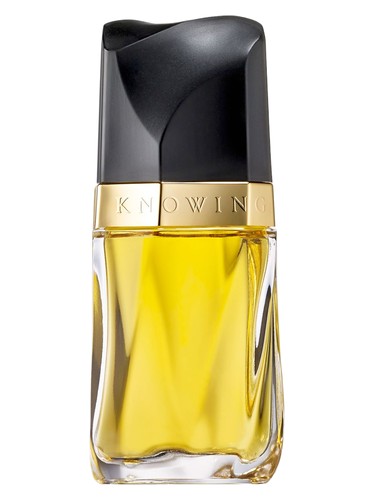
The similar fragrances list reads like a greatest-hits of sophisticated femininity: Chanel No 5 (the obvious aldehydic ancestor), L''Air du Temps, Fidji, Knowing (its own brand sibling), and Dune. Estée sits comfortably in this company—less austere than No 5, warmer than L''Air du Temps, more floral-focused than the green-inflected Knowing. It occupies a sweet spot between the strict formality of 1950s aldehydics and the softer, more abstract white florals that emerged in the 1990s. If No 5 is the reference point for the category, Estée is the more approachable interpretation—the one that remembered to smile.
The Bottom Line
At 3.81 stars, Estée won''t convert fragrance minimalists or those committed to contemporary clean-skin scents. But for anyone interested in perfume history, in understanding what "elegant" meant before the word became synonymous with "restrained," this is essential wearing. It''s increasingly difficult to find fragrances with this kind of construction—rich, unabashedly complex, built to last.
The real question isn''t whether Estée smells dated; of course it does. The question is whether that datedness reads as quaint or classic. On the right wearer, in the right season, it''s decidedly the latter. This is a fragrance that demands you rise to its level rather than adapting to yours—which makes it wonderfully, stubbornly itself after all these years. For cold-weather days when you want to project authority wrapped in beauty, when you want to smell expensive rather than pretty, Estée remains exactly what Mrs. Lauder intended: a signature worth signing.
AI-generated editorial review