First Impressions
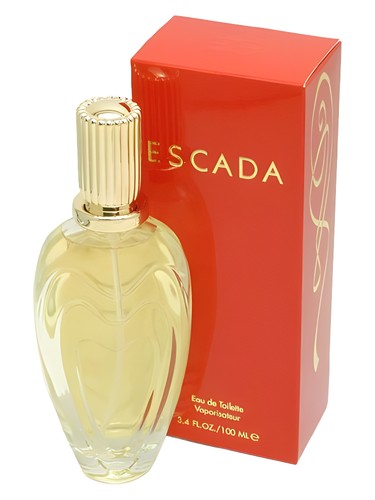
The original Escada—simply titled with the brand''s name—arrives with the confidence of a fragrance that knows exactly what it is. That first spray delivers an unexpected complexity: the creamy sweetness of coconut mingles with the bright citrus burst of bergamot and mandarin, while peach adds a soft, fuzzy warmth. But beneath this welcoming fruit basket lies something more intriguing—a green, almost vegetal whisper from hyacinth and an unusual appearance of asafoetida, a resinous note that adds subtle depth without announcing itself. This is not a simple fruity floral. This is a composition that understood sophistication before the term "white floral" became marketing shorthand.
The Scent Profile
The opening act balances on a fascinating tightrope. Hyacinth brings its characteristic green-watery freshness, while coconut could have tipped the entire composition into suntan lotion territory—yet it doesn''t. Instead, the peach and citrus trio of mandarin orange and bergamot create a plush, rounded introduction that feels both tropical and refined. The asafoetida, though unconventional in feminine fragrances, adds an almost imperceptible savory undertone that prevents the top notes from becoming saccharine.
As the fruit recedes, the heart reveals its true ambition: a full-throttled white floral bouquet that holds nothing back. Tuberose and jasmine form the creamy core, supported by the honeyed richness of ylang-ylang and the indolic sweetness of orange blossom. Carnation adds a spicy, clove-like facet, while narcissus brings green sharpness to cut through the density. Frangipani enhances the tropical character, and iris contributes a subtle powdery texture that begins to hint at the base''s direction. This heart is unabashedly opulent—an 84% white floral accord doesn''t apologize for taking up space.
The base settles into a comforting blend of vanilla, sandalwood, and heliotrope, creating a powder-soft landing that still maintains structure through cedar and oakmoss. The musk adds skin-like warmth while the woody elements (contributing to that 56% woody accord) prevent the vanilla from dominating. This is where the fragrance reveals its vintage character—that oakmoss inclusion places it firmly in a different era of perfumery, when chypre structures still influenced floral compositions.
Character & Occasion
According to wearer data, this is overwhelmingly a spring fragrance (90%), though it transitions surprisingly well into winter (69%) and fall (69%), with summer trailing at 57%. That versatility speaks to the composition''s balance—floral enough for spring gardens but substantial enough for colder weather''s demand for presence. The woody-powdery base likely accounts for its autumn and winter viability, while the white florals bloom beautifully in spring warmth.
The day and night ratings tell an interesting story: 100% day, 96% night. This is that rare fragrance that crosses the temporal divide with ease. It''s polished enough for professional settings, romantic enough for evening wear, and substantial enough to make an impression in any lighting. The white floral dominance (84%) combined with woody (56%) and powdery (54%) accords creates a classic femininity that reads as timeless rather than dated—though younger wearers might find it carries a certain vintage gravitas.
Community Verdict
The Reddit fragrance community awards Escada fragrances genuine affection, with a positive sentiment score of 7.5/10. The most consistent praise centers on compliments—particularly from men—and the powerful nostalgia factor. Multiple users recall this as their teenage or young adult signature scent, a fragrance that defined their introduction to "serious" perfumery. The floral-fruity profile clearly resonates across demographics, creating memorable impressions that last years.
However, frustrations run deep. The pricing draws consistent complaints, especially when small bottles command premium prices. More significantly, the discontinuation issue plagues Escada fans—many beloved flankers have vanished from shelves, leaving devotees scrambling for replacements and dupes. Some users note that as they''ve aged, certain Escada fragrances strike them as overly sweet, suggesting these compositions skew younger or that adult palates crave more complexity.
The community specifically recommends Escada fragrances for nostalgic wear, date nights, and as signature scents for teens and young adults. That recommendation reflects both the accessible nature of the profiles and the memorable impression they create during formative years.
How It Compares
The original Escada sits in distinguished company: Escada Margaretha Ley, Amarige by Givenchy, Poème by Lancôme, Classique by Jean Paul Gaultier, and Organza by Givenchy. This lineup reveals the fragrance''s character—these are unapologetic, opulent white floral compositions from an era when perfumes announced rather than whispered. Where Amarige goes full bombshell and Classique adds gourmand sweetness, the original Escada maintains a slightly greener, more grounded character through that oakmoss base. It''s perhaps less revolutionary than Classique, less austere than Poème, but more versatile than any of them.
The Bottom Line
With 480 votes averaging 3.89 out of 5, the original Escada earns solid approval without reaching cult masterpiece status. That rating feels accurate—this is an excellently crafted white floral that demonstrates technical skill and quality materials, but it may not provoke the obsessive devotion reserved for true iconoclasts. The value proposition proves complicated. If you can find it at reasonable prices, the quality justifies the purchase. But given community frustrations with Escada''s pricing and availability issues, approach with realistic expectations about long-term accessibility.
Who should seek this out? Anyone with nostalgia for late 20th-century florals will find comfort here. Those building a fragrance wardrobe could do worse than adding this versatile day-to-night option. And if you''re tired of modern sheer florals that fade within hours, this substantial composition offers refreshing tenacity. Just prepare yourself for the possibility that falling in love might mean eventual heartbreak when the bottle runs dry and replacements prove elusive.
AI-generated editorial review