First Impressions
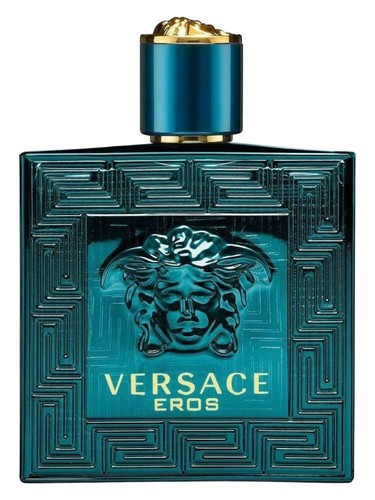
The first spray of Versace Eros announces itself like a declaration—there''s nothing subtle about the entrance. A blast of crisp mint collides with tart green apple and bright lemon, creating an opening that''s simultaneously refreshing and sweetly provocative. This isn''t a fragrance that whispers; it projects with confidence from the first moment, enveloping you in a cool, aromatic cloud that feels almost electric against the skin. Named after the Greek god of love and desire, Eros delivers on its mythological promise with an unapologetic boldness that either captivates or overwhelms, depending on who you ask—and therein lies its fascinating duality.
The Scent Profile
The journey of Eros unfolds as a surprisingly linear composition, though that''s not necessarily a criticism. After that invigorating opening of mint, green apple, and lemon settles, the heart reveals itself with an unusual combination: creamy tonka bean pairs with the modern synthetic warmth of ambroxan, while geranium adds a subtle floral dimension that most wearers won''t consciously identify but definitely feel. This middle phase is where Eros begins its transformation from fresh and green to something altogether sweeter and more enveloping.
The base is where this fragrance truly establishes its identity. Madagascar vanilla dominates—and the data confirms this, rating vanilla at 100% as the primary accord. This isn''t a delicate, whisper-soft vanilla; it''s rich, almost gourmand in its intensity, supported by the woody presence of Virginian cedar and Atlas cedar. Vetiver and oakmoss attempt to ground the sweetness with earthy, mossy facets, but make no mistake: the vanilla reigns supreme here, creating that signature Eros sweetness that''s spawned countless compliments and just as many eye-rolls from those who find it too obvious.
The aromatic accord registers at 90%, the green at 84%, while fresh spicy, amber, and fruity notes round out the composition at lower but still significant levels. What emerges is a fragrance that reads as predominantly sweet and vanilla-forward, tempered by fresh, aromatic elements that prevent it from becoming a full dessert.
Character & Occasion
The numbers tell an interesting story about when Eros thrives. Spring leads at 92%, with fall close behind at 87% and winter at 84%—even summer manages a respectable 73%. This near-universal seasonal adaptability speaks to the fragrance''s versatility, though that mint-and-vanilla combination genuinely seems most at home when there''s a chill in the air.
The day versus night data is particularly revealing: 80% for daytime wear, but a full 100% for evening. Eros reaches its apex after dark, in social settings where projection and presence matter. This is clubbing fuel, date-night armor, the fragrance equivalent of that one shirt you know works every time. The sweet, aromatic profile cuts through crowded spaces and leaves an impression—for better or worse.
Who is this for? Despite launching in 2012 as a masculine fragrance, Eros has found its strongest following among younger wearers, particularly those new to the fragrance world. It''s become something of a gateway scent, the first "serious" fragrance many people purchase when they decide they want to smell deliberately good.
Community Verdict
Here''s where things get complicated. Based on 94 community opinions from Reddit''s fragrance community, Eros earns a mixed sentiment with a score of 6.5/10—and that middling rating masks a fascinating divide.
The pros are substantial and real-world focused: excellent performance and longevity for the price point, genuine compliments from actual people (not fragrance collectors), pleasant sweet and citrusy character with mass appeal, and reliable consistency. These aren''t trivial advantages—they''re exactly what most people want from a fragrance.
The cons, however, reveal the perception problem: it''s widely dismissed as a "teenage boy" or beginner fragrance within collector circles, can be overwhelming when overapplied, lacks the complexity that experienced noses crave, and newer batches reportedly show performance inconsistency. The community specifically identifies it as ideal for clubbing, cold weather, casual wear, and first fragrance purchases—all categories that experienced collectors have often moved beyond.
Yet the community summary itself acknowledges this paradox: most agree that the negative perception within fragrance circles has "minimal real-world impact." In other words, while Eros might not impress other fragrance enthusiasts, it consistently delivers where it counts for most wearers—in actual social situations with actual compliments.
How It Compares
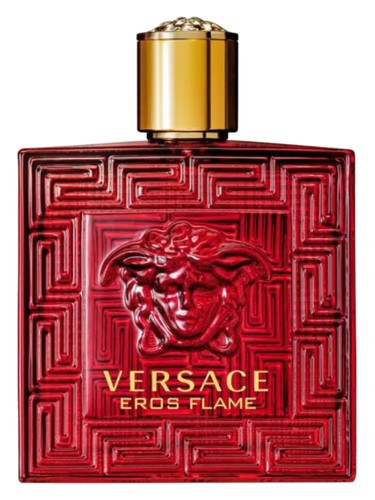
Eros sits firmly in the sweet, crowd-pleasing masculine category alongside titans like Jean Paul Gaultier''s Le Male and Ultra Male, Yves Saint Laurent''s Y Eau de Parfum, its own flanker Eros Flame, and even Bleu de Chanel. What distinguishes Eros in this company is its particular brand of minty-vanilla sweetness and its aggressive projection. Where Bleu de Chanel opts for refinement and Le Male leans into spicy lavender, Eros chooses unabashed sweetness and presence.
The Bottom Line
With 4.07 stars from over 28,000 votes, Versace Eros occupies a curious space: genuinely beloved by the masses, quietly scorned by connoisseurs. But perhaps that''s exactly the point. This isn''t a fragrance designed to impress other collectors or win awards for artistic complexity. It''s designed to be noticed, to generate reactions, to work in the real world where most people don''t know oakmoss from ambroxan.
Should you try it? If you''re building your first fragrance wardrobe, absolutely—understanding why Eros became such a phenomenon is part of your olfactory education. If you value performance and compliments over complexity and uniqueness, you''ll likely love it. If you''re shopping for someone who wants to smell good without overthinking it, this is a safe bet.
Just remember: a little goes a long way. Overapplication is where Eros crosses from confident to cloying. Applied with restraint, it remains what it''s always been—a modern classic that refuses to apologize for its own popularity.
AI-generated editorial review