First Impressions
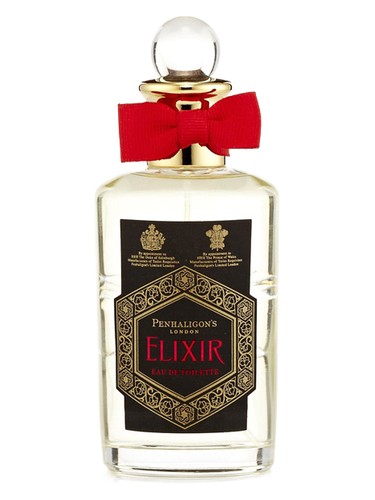
The first spray of Penhaligon''s Elixir feels like stepping into a cathedral where someone has been burning eucalyptus branches instead of frankincense. There''s an immediate aromatic coolness — sharp, medicinal almost — that collides headlong with the warmth of cardamom and cinnamon. It''s disorienting in the best possible way. This isn''t the polite introduction you''d expect from a 2008 release, back when fruity florals still dominated the feminine fragrance landscape. Instead, Elixir announces itself with conviction: woody, spiced, unapologetically complex. Within moments, you understand this isn''t a fragrance that will play by conventional rules.
The Scent Profile
That opening eucalyptus note — bracing and herbaceous — creates an unusual canvas for what follows. The cardamom adds a green, slightly lemony spice, while cinnamon provides warmth without tipping into gourmand territory. It''s an aromatic trio that clears the sinuses and sharpens the mind, lasting just long enough to make you wonder where this journey is headed.
The heart reveals the fragrance''s central paradox. Turkish rose emerges not as a soliflore, but as part of an intricate tapestry. The mace adds a nutmeg-like spiciness that bridges the opening''s aromatic punch with the floral elements, while orange blossom contributes a subtle, honeyed sweetness. Egyptian jasmine weaves through it all with its characteristic indolic richness. This isn''t a rose perfume that happens to have other notes — it''s a careful orchestration where florals and spices exist in tension, neither dominating completely. The effect is simultaneously feminine and androgynous, soft yet angular.
But the base is where Elixir truly reveals its character. This is a woody fortress built on multiple timber sources: cedar provides structure, Brazilian rosewood adds a creamy, slightly spicy warmth, red sandalwood brings earthiness, and guaiac wood contributes a smoky, almost tar-like depth. Incense threads through it all, adding a resinous smokiness that reads as contemplative rather than churchy. Benzoin, tonka bean, and vanilla soften the edges just enough to keep the composition from becoming austere, while never allowing it to become sweet. The overall impression is of standing in a woodworker''s studio where rose petals have somehow scattered across aged timber — unexpected, oddly harmonious, and utterly captivating.
The longevity is impressive, as you''d expect from an elixir concentration. This fragrance doesn''t whisper; it projects with confidence for hours before settling into an intimate skin scent that can last well into the next day.
Character & Occasion
This is autumn personified. With seasonal preferences showing fall at 100% and winter at 80%, Elixir clearly thrives when temperatures drop and the air turns crisp. It''s built for cashmere sweaters, wool coats, and that particular slant of October light. Spring and summer wearers are rare (29% and 20% respectively), and for good reason — this fragrance needs cool air to prevent its spice and wood from becoming overwhelming.
The day/night split is revealing: 89% day versus 62% night. Elixir defies the assumption that woody, smoky fragrances belong exclusively to evening wear. That eucalyptus opening and the overall aromatic quality give it a brightness that works beautifully for daytime — think museum visits, coffee shop writing sessions, or brisk walks through falling leaves. Yet it''s substantial enough to carry you through dinner and beyond.
Who is this for? Anyone who finds traditional feminine fragrances too sweet, too simple, or too safe. It''s for the woman who owns her contradictions — professional yet unconventional, polished yet intellectual. It doesn''t try to seduce; it commands respect.
Community Verdict
With a rating of 4.11 out of 5 from 847 votes, Elixir has earned solid appreciation from those who''ve experienced it. This isn''t a polarizing fragrance that divides opinion sharply; instead, it''s garnered consistent respect. The rating suggests a fragrance that delivers on its promises — complexity, quality, and distinctiveness — even if it doesn''t court universal adoration. For a niche release from Penhaligon''s, this level of community approval indicates a fragrance worth seeking out, particularly for those whose tastes run toward the unconventional.
How It Compares
The similar fragrances list reads like a masterclass in sophisticated woody compositions. Serge Lutens'' Fille en Aiguilles shares that coniferous, resinous quality. L''Artisan Parfumeur''s Timbuktu offers another take on incense-driven woody fragrances. Hermès'' Elixir des Merveilles provides a reference point for how "elixir" concentrations handle wood and spice. Meanwhile, classics like Dior''s Dune and Chanel''s Coco Eau de Parfum suggest Elixir''s place in a lineage of fragrances that refuse to pander to fleeting trends.
Where Elixir distinguishes itself is in that opening eucalyptus-spice combination and the particular way its rose interacts with smoke and wood. It''s less overtly luxurious than Coco, more approachable than Fille en Aiguilles, and more floral than Timbuktu.
The Bottom Line
Penhaligon''s Elixir stands as a reminder that 2008 still had surprises up its sleeve. In an era increasingly dominated by sweet amber, fruit cocktails, and safe crowd-pleasers, here was a fragrance that trusted its wearer to appreciate complexity. That 4.11 rating from 847 voters represents not massive popularity, but genuine appreciation from those who found it.
Is it perfect? The opening eucalyptus might alienate some, and those seeking traditional feminine softness should look elsewhere. But these aren''t flaws — they''re features. Elixir knows exactly what it is and makes no apologies.
If you''re drawn to woody, spicy fragrances but want something with more dimension than typical masculines offer, if you appreciate smoke and incense without wanting to smell like you''ve been in a temple all day, or if you simply want a rose fragrance that feels intelligent rather than romantic — Elixir deserves your attention. Sample it on a cool autumn day, give it time to unfold, and prepare to reconsider what feminine fragrance can be.
AI-generated editorial review