First Impressions
The first spray of Eau Sauvage Cologne is like standing at the edge of a Mediterranean grove at dawn, when the morning sun first strikes citrus trees heavy with fruit. This is bergamot in its purest, most unapologetic form—Calabrian bergamot, to be precise—joined by the tart brightness of grapefruit and the softer sweetness of mandarin orange. There''s an immediate sense of transparency here, a crystalline quality that announces itself without shouting. This isn''t a fragrance that demands attention through volume or complexity; rather, it achieves its impact through precision and restraint.
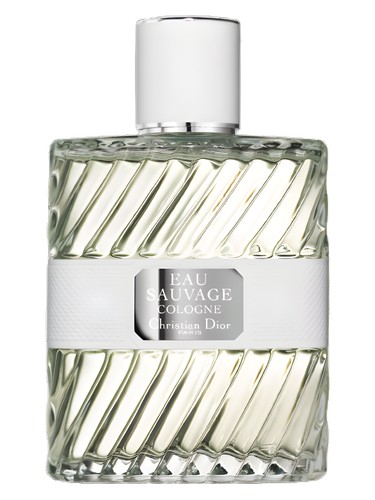
What Dior has crafted in this 2015 release is something that feels both contemporary and timeless, a scent that wears like second skin on a warm day. The citrus accord dominates completely—the data confirms it at 100%—but this isn''t simplistic. There''s architecture beneath that sunny exterior, a framework that prevents the composition from collapsing into mere cologne territory, even if the name might suggest otherwise.
The Scent Profile
The opening act is a citrus lover''s dream. That Calabrian bergamot leads the charge with its characteristic balance of bitter and sweet, backed by grapefruit''s sharp, almost astringent edge. The mandarin orange rounds out the trio, lending a juicy accessibility that makes the entire opening feel vibrant rather than harsh. This stage lasts longer than you might expect, the citrus notes refreshing themselves in waves rather than disappearing in a quick flash.
As the fragrance settles into its heart, the composition reveals its sophistication. Petitgrain emerges—that woody, slightly bitter essence of citrus leaves and twigs—creating a bridge between the bright opening and what lies beneath. Then comes hedione, that jasmine-adjacent molecule that adds an airy, almost transparent floral quality without pushing the scent in an overtly flowery direction. The aromatic accord, sitting at 48%, starts to assert itself here, with galbanum contributing a green, resinous sharpness and pink pepper adding gentle spice. These heart notes create texture and depth, transforming what could have been a simple citrus splash into something more contemplative.
The base is surprisingly straightforward: vetiver. Just vetiver. But sometimes that''s all you need. This grassy, slightly smoky root grounds the entire composition, providing just enough woody character (22% woody accord) to give the fragrance staying power without weighing it down. The vetiver here doesn''t dominate; it supports, creating a subtle earthiness that allows the citrus and green notes to continue their dance for hours rather than minutes.
Character & Occasion
The community consensus is unambiguous: this is a summer fragrance first and foremost, with a perfect 100% summer rating. Spring follows at a strong 76%, while fall and winter trail significantly at 20% and 8% respectively. These numbers tell the story of a scent designed for warmth, for open windows and outdoor terraces, for linen shirts and sun-drenched afternoons.
The day/night split is equally telling—91% day versus just 16% night. This is decidedly daytime territory, the kind of fragrance you reach for before a morning meeting, a lunch by the water, or a casual weekend brunch. There''s nothing in its DNA that screams evening sophistication or nighttime mystery. Instead, it offers daylight confidence, the olfactory equivalent of a well-pressed white shirt.
Who is this for? The masculine designation suggests a male target audience, but the transparency and restraint of the composition would wear beautifully on anyone who appreciates clean, citrus-forward scents. It''s professional enough for conservative office environments, casual enough for weekend wear, and refined enough to feel intentional rather than default.
Community Verdict
With a solid 4.2 out of 5 stars based on 1,324 votes, Eau Sauvage Cologne has clearly resonated with its audience. This rating suggests a fragrance that delivers on its promises without revolutionary ambitions. It''s not trying to reinvent the citrus category; it''s trying to perfect it. The broad voter base indicates this isn''t a niche curiosity but a widely accessible scent that manages to please a diverse range of preferences.
The rating suggests competence and quality without quite reaching masterpiece status—exactly what you''d expect from a well-executed citrus cologne in the Dior stable. This is a fragrance worth exploring, particularly if you''ve found yourself disappointed by citrus scents that fade within minutes or turn soapy as they dry down.
How It Comparisons
Eau Sauvage Cologne sits comfortably among the titans of fresh masculine fragrances. Its similarity to L''Eau d''Issey Pour Homme, Versace Pour Homme, and Acqua di Gio places it firmly in the modern classic category—those reliable, crowd-pleasing scents that defined an era of men''s fragrance. Most tellingly, it shares DNA with its own predecessor, the original Eau Sauvage by Dior, suggesting this is an evolution rather than a revolution.
Where it distinguishes itself is in its commitment to citrus purity. While Acqua di Gio leans more marine and Versace Pour Homme explores deeper aromatic territory, Eau Sauvage Cologne maintains laser focus on that bergamot-grapefruit-mandarin trinity, using everything else as supporting structure rather than competing themes.
The Bottom Line
Eau Sauvage Cologne isn''t trying to be your signature scent, your date-night weapon, or your winter comfort blanket. It''s trying to be the best version of a sunny day in a bottle, and by that measure, it succeeds admirably. The 4.2 rating reflects a fragrance that knows exactly what it wants to be and executes that vision with Dior''s characteristic polish.
Is it groundbreaking? No. Is it necessary if you already own the original Eau Sauvage? Debatable. But for anyone seeking a refined, wearable citrus scent that performs reliably in warm weather and professional settings, this deserves consideration. It''s the kind of fragrance that won''t turn heads but will leave subtle, positive impressions—the olfactory equivalent of good manners. Sometimes, that''s precisely what you need.
AI-generated editorial review