First Impressions
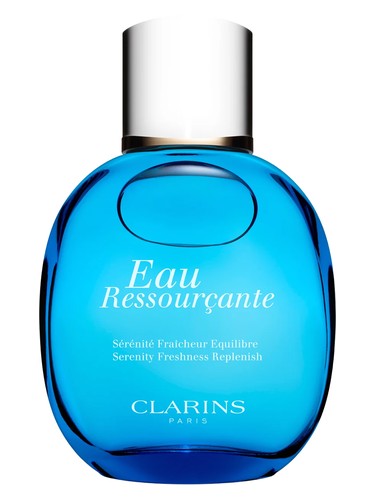
The first spray of Eau Ressourcante delivers what its name promises—something ressourçant, something restorative. There''s an immediate brightness, but not the shrieking citrus explosion you might expect. Instead, basil and lemon intertwine in a dance that feels more like stepping into a Mediterranean herb garden after morning rain than opening a bottle of cleaning solution. The basil brings a green, slightly peppery quality that elevates the lemon beyond simple freshness, creating an aromatic entrance that feels both invigorating and oddly calming. This is the scent of clarity, of mental palate-cleansing, captured in liquid form.
The Scent Profile
Eau Ressourcante''s evolution is remarkably linear, which might sound like criticism but functions here as a virtue. The opening duet of basil and lemon establishes the fragrance''s character within seconds—this is an aromatic composition through and through, with that accord registering at a full 100% intensity according to wearer experiences. The basil provides the herbal backbone while lemon adds sparkle without dominating, creating a fresh spicy dimension that scores at 93%.
As the initial brightness settles, iris emerges as the heart, though it plays a supporting role rather than stealing the show. This isn''t the buttery, lipstick-heavy iris of haute perfumery; instead, it brings a subtle powdery quality (registering at 58%) and a whisper of earthiness that bridges the gap between the green-bright opening and the woody foundation. The iris here feels almost transparent, adding texture and a touch of sophistication without weighing down the composition''s essential lightness.
The base reveals cedar and benzoin, but again, restraint is the watchword. The cedar provides structure—a woody accord that scores at 98%—while benzoin adds just enough warmth and subtle sweetness to prevent the fragrance from becoming too austere. These base notes don''t announce themselves dramatically; they simply ground the composition, giving it enough substance to last beyond a fleeting spritz while maintaining that ressourçant, refreshing quality that defines the scent''s purpose.
Character & Occasion
This is summer in a bottle, plain and simple. With a 95% summer rating from the community, Eau Ressourcante thrives in warm weather, offering relief rather than embellishment. It''s the fragrance equivalent of a linen shirt—uncomplicated, breathable, appropriate. Spring claims 68% approval, making this an excellent transitional scent for those first genuinely warm days when winter fragrances suddenly feel suffocating.
The day/night split tells the complete story: 100% day, 25% night. This isn''t a criticism; it''s a mission statement. Eau Ressourcante has no pretensions of being an evening seductress or a sophisticated dinner companion. It''s designed for productivity, for movement, for those moments when you need to feel fresh without feeling perfumed. Think morning meetings, weekend errands, yoga classes, garden work, or that perpetual search for something clean-smelling that won''t overwhelm an air-conditioned office.
Fall and winter see predictably lower scores (25% and 22% respectively), though there''s something to be said for a clarifying aromatic on a crisp autumn morning. This isn''t a cozy scent, but sometimes that''s exactly what you need when the world pushes you toward pumpkin spice everything.
Community Verdict
With a solid 3.98 out of 5 stars across 806 votes, Eau Ressourcante has earned genuine respect. This rating deserves context—it''s not achieving universal adoration, nor should it. This is a functional fragrance with aesthetic grace, and that combination appeals to a specific sensibility. The near-4-star rating suggests consistency and reliability; people know what they''re getting, and for its intended purpose, it delivers admirably.
The vote count itself—over 800 reviewers—indicates staying power. For a 2003 release that isn''t backed by massive marketing campaigns or celebrity endorsements, this level of ongoing community engagement speaks to quiet loyalty. These aren''t impulse purchases being immediately forgotten; this is a fragrance people return to, season after season.
How It Compares
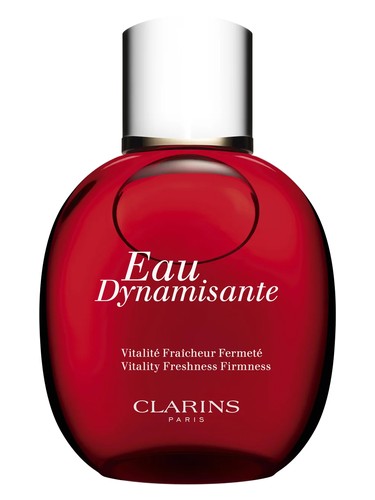
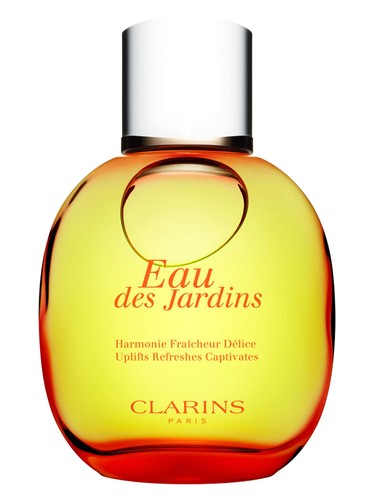
Eau Ressourcante sits comfortably among some notable company. Its similarity to Clarins'' own Eau Dynamisante and Eau des Jardins makes sense—there''s clearly a house style at play, one that favors botanical clarity over heavy-handed composition. The comparison to Elizabeth Arden''s Green Tea is particularly apt; both offer clean, refreshing profiles built on simplicity rather than complexity.
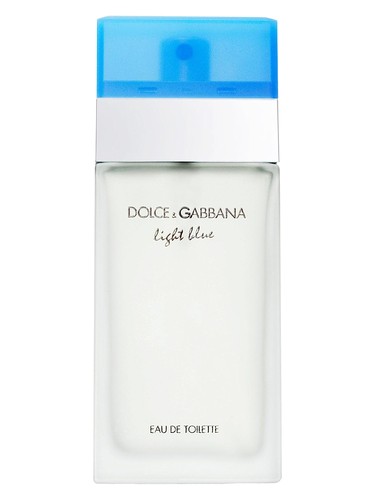
The mentions alongside Dolce & Gabbana''s Light Blue and Hermès'' Un Jardin Sur Le Nil are telling. These are all fragrances that prioritize transparency and wearability over drama, though Eau Ressourcante leans more heavily into its herbal, aromatic character where Light Blue goes fruity-floral and Un Jardin explores aquatic vegetation. If anything, Clarins'' offering is the most overtly aromatic of the group, making it perhaps the most polarizing but also the most distinctive.
The Bottom Line
Eau Ressourcante isn''t trying to be the fragrance of your dreams or the scent that defines your personality. It''s offering something more modest and, arguably, more valuable: reliable, sophisticated refreshment. At nearly four stars with substantial community input, it has proven its worth to those who value function alongside beauty.
The unknowable concentration is a minor frustration, though the fragrance''s performance suggests something in the eau de toilette range—present without being persistent, noticeable without being loud. For those seeking an aromatic summer staple that won''t compete with your personality or your surroundings, this deserves serious consideration. It''s particularly suited to minimalists, to those who appreciate herbal notes, and to anyone tired of the sweet-fruity-floral monotony that dominates contemporary feminine fragrances.
If you find yourself drawn to basil more than jasmine, to clarity more than seduction, Eau Ressourcante might be exactly the fragrance you didn''t know you needed.
AI-generated editorial review