First Impressions
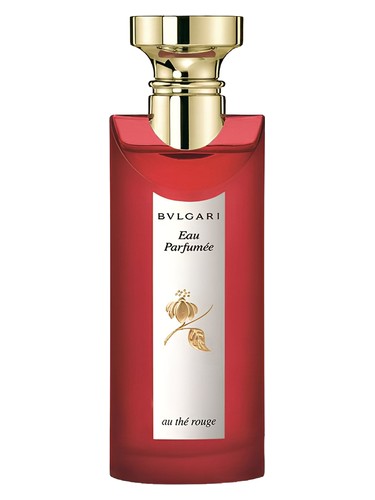
The first spray of Eau Parfumée au Thé Rouge delivers a delightful contradiction: it promises red tea in its name but opens with an exuberant green embrace. This is no cozy, amber-tinted rooibos steep. Instead, imagine stepping into a sun-dappled conservatory where bergamot and orange trees stand sentinel beside a tea service, their branches heavy with fruit, their leaves releasing a sharp, verdant snap of pink pepper. The composition announces itself with confidence—bright, crisp, and decidedly fresh rather than warm. It''s the kind of opening that makes you inhale deeply, then pause, reconsidering everything the name suggested you''d find.
The Scent Profile
Bvlgari has orchestrated this composition around a dominant green accord that registers at full intensity, and it shows from the very first moment. The pink pepper leads the charge alongside bergamot and orange, creating a citrus explosion that''s piquant rather than sweet. That pink pepper—often used for its rosy, slightly spicy facets—here acts more as a textural element, adding a crisp, almost effervescent quality to the fruits. The bergamot contributes its characteristic bitter-bright edge, while orange rounds things out with a softer, sunnier glow.
As the initial citrus fanfare settles, the heart reveals what makes this fragrance genuinely intriguing: tea and fig. The tea note doesn''t read as distinctly "red" or rooibos-like in the honeyed, caramel sense you might expect. Instead, it presents as green tea''s sophisticated cousin—leafy, slightly astringent, with just a whisper of earthiness. The fig adds an unexpected creamy-green dimension, that particular scent of fig leaves and milky sap rather than the fruit''s purple-sweet flesh. Together, these notes amplify that overwhelming green character while introducing a subtle fruitiness that keeps the composition from veering too sharp or austere.
The base is where Eau Parfumée au Thé Rouge reveals its woody backbone. Walnut brings an unusual nutty quality—earthy and faintly bitter, grounding the brighter elements without weighing them down. Resin adds a touch of warmth and subtle sweetness, while musk provides the soft, skin-like foundation that allows the fragrance to dry down close to the body. This base explains the substantial woody accord (91%) and the surprising sweetness (82%) that emerges after the initial green-citrus wave recedes. The musk, registering at a moderate 61%, keeps everything intimate rather than projecting boldly across a room.
Character & Occasion
The community data tells a clear story: this is a daytime fragrance through and through, scoring 100% for day wear versus a mere 31% for evening. And honestly, that assessment couldn''t be more accurate. Eau Parfumée au Thé Rouge belongs to morning meetings, weekend errands, lunch dates in garden cafés—those moments when you want to smell fresh, polished, and approachable rather than mysterious or seductive.
Seasonally, this fragrance demonstrates impressive versatility, performing admirably across fall (70%), spring (65%), and summer (61%). Only winter receives a lukewarm 34%, which makes perfect sense given the composition''s emphasis on crisp, green, and citrus elements. This isn''t the scent for wrapping yourself in warmth during cold months. Instead, save it for those transitional days when the air still carries a bit of bite but hints at warmer weather ahead, or those summer mornings when you want something refreshing that won''t wilt in the heat.
Marketed as feminine, the fragrance certainly could be worn by anyone drawn to green, tea-based compositions. There''s nothing overtly floral or powder-sweet here—the character skews more androgynous than traditionally "feminine" perfumery might suggest.
Community Verdict
With a solid 4.11 out of 5 stars across 2,336 votes, Eau Parfumée au Thé Rouge has found its audience. That rating suggests a fragrance that delivers on its promises without necessarily inspiring obsessive devotion. It''s not revolutionary, but it''s reliably good—the kind of scent that earns respect for its quality and wearability rather than for pushing boundaries. The substantial vote count indicates this isn''t some overlooked gem languishing in obscurity; people have discovered it, worn it, and largely approved.
How It Compares
The similar fragrances list reads like a who''s who of modern fresh classics: Light Blue by Dolce&Gabbana, Un Jardin Sur Le Nil by Hermès, Narciso Rodriguez For Her, Coco Mademoiselle, and Euphoria by Calvin Klein. That''s quite a range, spanning from crisp aquatics to warm florals, but what they share is a certain polished accessibility—these are fragrances that work in professional settings and feel sophisticated without alienating.
Where Eau Parfumée au Thé Rouge distinguishes itself is in that pronounced green-tea character. While Light Blue leans more overtly citrus-aquatic and Un Jardin Sur Le Nil explores green through mango and lotus, Bvlgari''s offering stakes its claim in the tea category specifically. It''s less obviously fruity than Light Blue, more structured than the Hermès, and decidedly fresher than any of the warmer comparisons. Within Bvlgari''s own tea collection, the Thé Rouge stands as perhaps the most balanced—not as austere as some, not as sweet as others.
The Bottom Line
Eau Parfumée au Thé Rouge delivers exactly what the Bvlgari tea collection promises: a sophisticated, wearable interpretation of tea with enough character to feel special but enough restraint to work in nearly any daytime situation. That 4.11 rating reflects its reliable quality—this is a well-crafted fragrance that won''t disappoint, even if it might not become your desert-island scent.
Should you try it? Absolutely, if you''re drawn to green fragrances, love tea-based compositions, or need a versatile daytime scent that works across three seasons. It''s particularly worth exploring if you find many fresh fragrances too aquatic, too sweet, or too simple. The walnut and fig here add complexity that elevates this beyond basic citrus colognes.
Skip it if you prefer warm, heavy, or overtly floral perfumes, or if you''re looking for something with serious evening presence. And perhaps don''t judge it by its name—let go of expectations about "red tea" and simply experience the green, citrus-woody reality that awaits in the bottle.
AI-generated editorial review