First Impressions
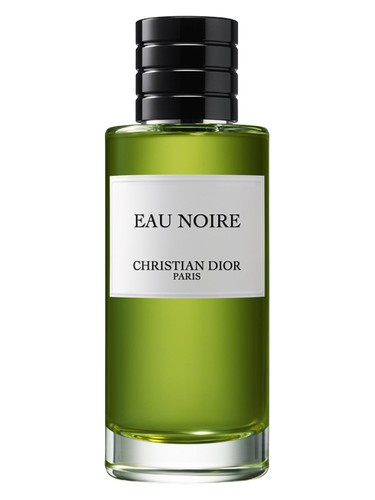
The first spray of Eau Noire feels like stepping into an apothecary at twilight—not the sterile kind, but one where dried herbs hang from wooden beams and someone''s just ground coffee beans in the corner. There''s an immediate collision of thyme and sage, sharp and medicinal, that announces this fragrance has no intention of playing nice. This is Dior in its most experimental mood, the house freed from commercial constraints to create something genuinely strange. Within moments, the herbal assault softens, revealing a darkness beneath: something sweet, something smoky, something that makes you lean in closer even as you wonder if you actually like what you''re smelling.
The Scent Profile
Eau Noire''s opening gambit of thyme and sage is brief but crucial—these aren''t the culinary herbs of a Mediterranean kitchen, but their more austere, almost witch-garden cousins. They establish an aromatic framework that defines everything to follow, scoring a perfect 100% on the aromatic accord scale.
The heart is where Eau Noire earns its reputation as an iconoclast. Lavender arrives not as the clean barbershop variety, but as a darker, more complex interpretation, bolstered by an unexpected coffee note that transforms the entire composition. This isn''t latte art; it''s espresso grounds left overnight, slightly bitter, deeply aromatic. Immortelle adds its strange maple-curry sweetness, while Virginia cedar provides woody structure and saffron contributes a leathery, almost medicinal spice. The result is a heart accord that reads 83% lavender, 70% coffee, and 90% soft spicy—a trinity that shouldn''t work together but somehow creates something hypnotic.
The base is equally unconventional. Licorice and vanilla provide sweetness, but not comfort—the licorice brings anise-dark edge while vanilla remains restrained, more reference than reality. Violet adds powdery complexity, leather introduces a worn, lived-in texture, and stem greens keep everything grounded with vegetal freshness. It''s a foundation that ensures Eau Noire never becomes traditionally pretty, maintaining its challenging character through the drydown.
Character & Occasion
Eau Noire is definitively a cold-weather fragrance, scoring 100% for fall and 91% for winter. This makes perfect sense—the dense lavender-coffee heart and sweet-spicy base need crisp air to breathe properly. In summer''s heat, it would likely become cloying; in autumn''s bite, it becomes armor.
While it performs adequately during daylight hours (71%), Eau Noire truly comes alive at night (83%). There''s something about darkness that suits this composition, as if the fragrance itself prefers dim lighting and contemplative moods. This is the scent for gallery openings, late dinners, evening walks when the temperature drops and you can see your breath.
Despite being marketed as feminine in 2004, Eau Noire reads thoroughly unisex to contemporary sensibilities. The lavender-coffee-licorice axis doesn''t gender itself easily, and anyone drawn to aromatic, challenging compositions will find it wears without concern for traditional categories.
Community Verdict
The fragrance community''s relationship with Eau Noire is complicated, reflected in a sentiment score of 6.5 out of 10—decidedly mixed. With 51 opinions analyzed, clear themes emerge.
The praise is emphatic: community members celebrate its unique and interesting composition, calling it highly influential and creatively ambitious. Many note it''s difficult to replace or find alternatives—a testament to its singular vision. Some collectors describe it as a personal favorite worth "saving in emergencies," the kind of fragrance you''d grab if the house were burning.
The criticism is equally pointed. Eau Noire is polarizing; not everyone enjoys its challenging character. Being discontinued from Dior''s private line has made it increasingly hard to source, and its original commercial trajectory was apparently disappointing, with limited distribution even during its production run.
The community consensus identifies its ideal audience clearly: niche fragrance enthusiasts, collectors of rare discontinued scents, and those actively seeking polarizing, artistic compositions. With 1,195 votes yielding a 4.07 rating, it''s well-regarded by those who encounter it, even if many ultimately decide it''s not for them.
How It Compares
Eau Noire''s peer group is telling: Musc Ravageur by Frederic Malle, Oud Wood by Tom Ford, Tauer''s L''Air du Desert Marocain, Chanel''s Egoiste, and its Dior sibling Fahrenheit. These are all fragrances that challenged conventions, that polarized audiences, that prioritized artistic vision over mass appeal.
Where Musc Ravageur goes warm and animalic, and Oud Wood explores exotic woods, Eau Noire stakes its claim in the aromatic-lavender territory with coffee and licorice as unexpected co-conspirators. It shares Fahrenheit''s willingness to be strange and Egoiste''s refusal to charm easily.
The Bottom Line
Eau Noire''s 4.07 rating from nearly 1,200 voters tells you it''s well-crafted, but the community sentiment reveals the fuller truth: this is a fragrance that demands something from its wearer. It asks you to accept its darkness, its refusal to be easily likeable, its commitment to an aesthetic that favors complexity over comfort.
The tragedy is its discontinuation and resulting scarcity. As a commercial release, Eau Noire apparently failed—too strange for department store customers in 2004, perhaps. As an artistic statement, it succeeded brilliantly, creating something genuinely original in an era of increasingly safe releases.
Should you seek it out? If you collect discontinued rarities, absolutely. If you love challenging aromatics that blur gender lines and defy easy categorization, yes. If you need a fragrance that works with everything and offends no one, look elsewhere. Eau Noire doesn''t want universal love. It wants the devotion of those brave enough to wear something truly distinctive, even when—especially when—not everyone understands.
AI-generated editorial review