First Impressions
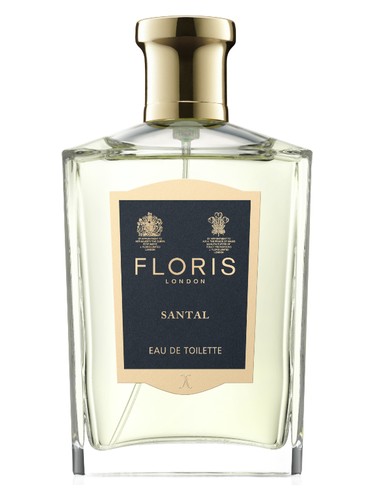
The first spray of Eau de Santal announces itself with a contradiction that somehow makes perfect sense: the heat of cardamom and pepper colliding with the brightness of citrus and the verdant snap of fresh-cut grass. It''s the olfactory equivalent of a well-tailored blazer worn with weekend casual confidence—structured yet approachable, traditional yet unexpectedly modern. This is Floris, Britain''s oldest perfumer, applying over two centuries of expertise to the warm spice genre, and that pedigree shows immediately. There''s no shouting here, no aggressive projection demanding attention. Instead, Eau de Santal extends a firm handshake and an invitation to lean closer.
The Scent Profile
The opening accord reads like a spice merchant''s ledger interpreted through an English garden lens. Cardamom leads the charge with its eucalyptus-tinged warmth, immediately joined by black pepper''s crackle. But here''s where Floris demonstrates its deft touch: bergamot and Amalfi lemon provide citrus counterpoint while an unusual grass note—green, slightly sharp, utterly British—keeps the composition from tipping into Oriental territory too quickly. It''s this balance that defines the fragrance''s character from the outset.
As the top notes settle, the heart reveals its aromatic intentions. Lavender emerges not as a barbershop cliché but as a refined bridge between the fresh spice opening and what''s to come. Nutmeg adds its sweet-woody warmth while clove contributes a subtle, almost dry spiciness that reinforces the cardamom without overwhelming it. This middle phase is where Eau de Santal proves it''s more than just another sandalwood showcase—it''s a carefully orchestrated spice symphony where each player knows precisely when to step forward and when to support.
The base is where the fragrance earns its name and its devoted following. Sandalwood provides the creamy, slightly sweet foundation that modern masculine fragrances have made indispensable, but it''s buttressed by a supporting cast that adds complexity and longevity. Virginia cedar brings woodsy dryness, vetiver adds earthy depth, and olibanum (frankincense) contributes a resinous, slightly smoky quality. Vanilla and amber round out the warmth while musk anchors everything with its skin-like intimacy. The result is a base that feels substantial without heaviness, warm without cloying sweetness—a powdery finish that reads more as refined elegance than dated nostalgia.
Character & Occasion
With a near-perfect score for fall wear and strong showings in spring and winter, Eau de Santal reveals itself as a three-season workhorse that knows its limitations. Summer''s 47% rating isn''t a weakness so much as an honest assessment—this is a fragrance with presence and warmth that simply makes more sense when there''s a chill in the air. The spice-forward opening and woody-powdery drydown bloom beautifully in cooler weather, creating a personal microclimate of warmth.
The day-versus-night split (94% day, 75% night) tells an interesting story. This is primarily a daytime fragrance, perfectly suited to the office, meetings, or smart-casual occasions where you want to smell put-together without overwhelming the room. But that 75% night rating suggests versatility—it can certainly transition to evening wear, particularly in more relaxed settings. This isn''t your black-tie scent, but it''s absolutely appropriate for dinner, cultural events, or evening socializing.
The masculine designation and warm spicy dominance (100%) paired with fresh spicy elements (94%) position this squarely in territory favored by men who appreciate classic composition with enough modernity to avoid smelling dated. The 67% aromatic accord keeps it from becoming too heavy, while the 56% powdery finish adds vintage-inspired sophistication.
Community Verdict
A 4.27 out of 5 rating from 731 voters is exceptional territory—particularly for a fragrance over two decades old. This isn''t inflated hype for a new release; it''s sustained appreciation from a substantial community. These numbers suggest a fragrance that delivers consistently, that meets expectations, and that has earned genuine admirers rather than temporary fans. The sample size is robust enough to be meaningful, and the score high enough to indicate broad satisfaction without the suspicious unanimity that sometimes accompanies niche darlings.
How It Compares
The comparison set reads like a who''s who of modern masculine favorites: Layton''s opulent spice and apple sweetness, La Nuit de l''Homme''s cardamom-lavender seduction, Oud Wood''s exotic luxury, Terre d''Hermès''s mineral-citrus sophistication, and Egoiste Platinum''s aromatic freshness. Eau de Santal holds its own in this company by occupying a sweet spot between tradition and trend. It''s less overtly sweet than Layton, more straightforwardly spicy than La Nuit de l''Homme, more accessible than Oud Wood, warmer than Terre d''Hermès, and richer than Egoiste Platinum. Where it particularly distinguishes itself is in its British restraint—it never oversells, never demands attention it hasn''t earned.
The Bottom Line
Eau de Santal represents something increasingly rare: a fragrance that trusts its quality to speak quietly rather than shout. At over twenty years old, it continues to earn strong ratings because it does what great fragrances should do—it smells good, wears comfortably, and works across multiple contexts without feeling generic. Is it revolutionary? No. Does it need to be? Absolutely not.
This is a fragrance for men who appreciate the difference between wearing scent and being worn by it. It suits the lawyer, the creative director, the professor—anyone whose personal style leans toward considered choices over trending ones. The warm spice-woody profile makes it particularly compelling for those who find straight sandalwood fragrances too simple but heavy oud compositions too demanding.
Given its 4.27 rating and sustained popularity, Eau de Santal deserves consideration from anyone building a versatile masculine wardrobe. It''s not a showstopper, but it''s absolutely a show-sustainer—the kind of fragrance that earns compliments through accumulated impressions rather than immediate impact. For those who value quality composition, appropriate projection, and the confidence that comes from wearing something genuinely well-made, this British take on Oriental warmth remains as relevant today as it was in 2002.
AI-generated editorial review