First Impressions
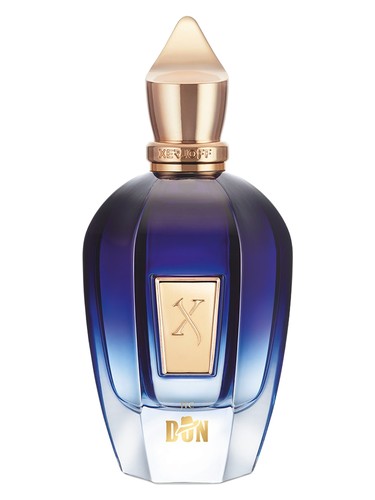
The first spray of Don feels like stepping into a dimly lit, wood-paneled study where someone has just poured a generous measure of aged whiskey. There''s an immediate tobacco richness that doesn''t announce itself with fanfare—it simply exists, confident and self-assured. This is Xerjoff at its most restrained, a departure from the house''s typically exuberant style. The opening doesn''t explode with sweetness or punch you with intensity; instead, it settles on the skin like a well-worn leather jacket, familiar yet unmistakably refined. The whiskey accord, registering at 99% in the fragrance''s DNA, mingles with that dominant tobacco note to create something that feels more like an experience than a traditional perfume opening.
The Scent Profile
Don operates without the typical roadmap of clearly delineated notes, which is perhaps fitting for a fragrance that refuses to follow convention. What emerges instead is a seamless composition built around its tobacco core—a 100% accord that serves as the gravitational center of everything else.
The whiskey element, nearly as prominent at 99%, doesn''t read as a novelty or gimmick. It brings a certain amber warmth and a subtle boozy quality that the community describes as understated rather than obvious. This isn''t a literal recreation of spirits; it''s more like the memory of whiskey—the warmth it leaves, the slight bite, the sophisticated edge.
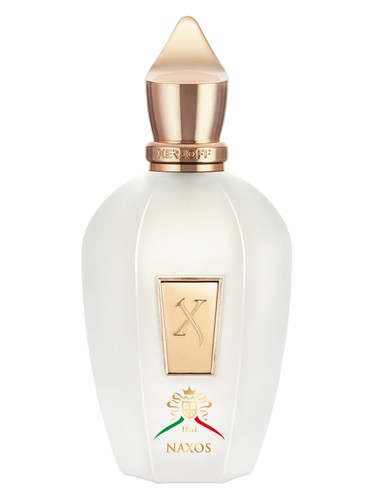
Sweetness comes in at 91%, but here''s where Don distinguishes itself from its Xerjoff sibling Naxos: that sweetness acts as a supporting player rather than the star. It rounds edges without dominating, likely manifesting through the caramel accord (28%) that adds a buttery richness without tipping into dessert territory.
The smoky character (74%) weaves through the composition, giving Don its contemplative, slightly mysterious quality. It''s not bonfire smoke or incense; it''s more refined—perhaps the lingering scent of a cigar long since extinguished. The woody elements (47%) provide structure, creating a framework that keeps the sweeter, more indulgent aspects grounded. There''s even a metallic character mentioned by wearers, adding an unexpected edge that keeps this from being too comfortable or predictable.
Character & Occasion
The data tells a clear story: Don is built for cooler weather and darker hours. Winter claims 100% suitability, with fall close behind at 98%. Spring manages a respectable 53%, but summer—at just 18%—is clearly not this fragrance''s natural habitat. The warmth, the richness, the enveloping quality all demand crisp air and lower temperatures to truly shine.
The day versus night split reveals Don''s true nature: while 53% find it wearable during daylight hours, it hits its stride after dark, with 93% rating it suitable for evening wear. This is sophisticated evening wear territory—think dinner reservations, theater nights, or late conversations over drinks. It''s for moments that call for presence without volume, confidence without showboating.
Despite being marketed as feminine, the community consensus suggests Don transcends traditional gender boundaries. The tobacco-whiskey profile appeals to anyone drawn to warm, subtly boozy, wood-tinged compositions. It''s for those who appreciate understatement, who understand that quiet sophistication can be more powerful than loud projection.
Community Verdict
With a solid 4/5 rating from 999 voters and a positive sentiment score of 7.2/10, Don earns respect even if it doesn''t inspire universal passion. The 53 Reddit opinions paint a nuanced picture of a fragrance that polarizes gently rather than dramatically.
The praise centers on its restraint: significantly less sweet than Naxos, it offers subtle warmth rather than cloying indulgence. The woody, smoky profile with those understated whiskey notes creates something more wearable than Xerjoff''s typically bold offerings. Fans appreciate the balance—that interplay of smoke, wood, and that intriguing metallic character that keeps things interesting.
The criticisms are honest and consistent: Don is quite subtle, which disappoints those seeking projection and presence. Some find its character "odd" in a way that doesn''t quite land. Most notably for a Xerjoff release, longevity and performance fall short of expectations set by the house''s other fragrances. At this price point, that matters.
How It Compares
Don exists in distinguished company. Tom Ford''s Tobacco Vanille is the obvious touchstone—richer, sweeter, more overtly luxurious. Parfums de Marly''s Herod brings similar tobacco warmth with more vanilla emphasis. Xerjoff''s own Naxos offers a sweeter, more honey-soaked take on similar themes. Black Afgano by Nasomatto goes darker and more intense, while By Kilian''s Angels'' Share leans harder into the boozy cognac angle.
Within this landscape, Don carves out space as the subtle sophisticate. It''s the one you wear when you want the idea of these scents without their volume—when you want to smell expensive and interesting without broadcasting it across a room.
The Bottom Line
Don by Xerjoff is a fragrance that knows what it wants to be: a sophisticated, tobacco-forward, whiskey-tinged companion for cool evenings and contemplative moments. The 4/5 rating feels right—this is genuinely good, well-crafted, and distinctive, even if it doesn''t quite achieve greatness.
The performance issues and subtlety present real considerations, especially given Xerjoff''s premium positioning. This isn''t the fragrance for making a statement or for those who equate quality with projection. It''s for the wearer who appreciates nuance, who values sophistication over volume, and who has enough confidence to wear something quiet.
If you love Tobacco Vanille but wish it would calm down, if Naxos feels too sweet, or if you''re simply drawn to whiskey and tobacco rendered with restraint—Don deserves your attention. Sample before committing, because its subtle nature means it either clicks perfectly or leaves you wanting more intensity. But for those it does click with, it''s a refined, grown-up fragrance that rewards patience and close encounters.
AI-generated editorial review