First Impressions
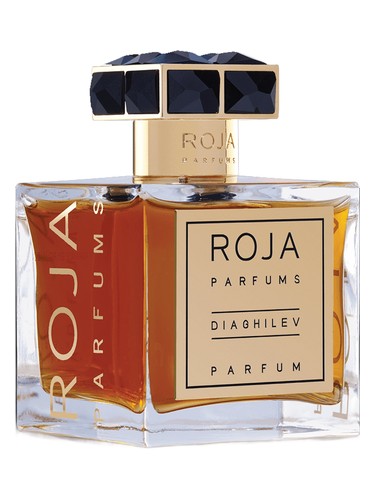
The first spray of Diaghilev feels like walking into a velvet-draped dressing room after the curtain falls—warmth, powder, skin, and something indefinably carnal lingering in the air. Named after Sergei Diaghilev, the visionary behind the Ballets Russes, this Roja Dove creation announces itself with a blast of cumin-laced citrus that immediately signals this is no demure floral. The spice cuts through bergamot, tarragon, and a medley of orange, lemon, and lime with an almost savory intensity. It''s theatrical, yes, but also strangely intimate—like glimpsing the sweat and effort behind the grand performance.
What strikes you immediately is the tension: brightness versus depth, cleanliness versus animal musk, powder versus leather. Diaghilev doesn''t choose sides. It inhabits all of them simultaneously, creating a scent that feels both opulent and oddly confrontational.
The Scent Profile
The opening citrus-cumin combination is fleeting but memorable, a sharp intake of breath before the perfume settles into its true character. Within minutes, an extravagant floral heart blooms—peach-tinged ylang-ylang, jasmine, rose, heliotrope, violet, tuberose, and black currant create a baroque bouquet that should feel overwhelming but instead reads as plush and enveloping. The heliotrope adds an almond-vanilla softness that tempers the indolic intensity of tuberose, while the violet contributes a delicate powderiness that will become more pronounced as the fragrance develops.
But this floral display is merely the elegant facade. The base notes reveal Diaghilev''s true ambition: a maximalist chypre foundation built on oakmoss, civet, leather, and an almost dizzying array of resins and woods. The civet—that notorious animalic note derived from glandular secretions—gives the composition its skin-like, almost feral quality. It''s softened by musk and ambrette, but never completely tamed. Leather adds structure, while labdanum, Peru balsam, benzoin, and styrax create a resinous amber glow. The woody elements—patchouli, guaiac wood, vetiver, cedar, sandalwood—provide grounding, though "grounding" feels like a relative term in a composition this complex.
The overall effect after several hours is predominantly woody (100% accord dominance), musky (94%), and animalic (79%), with significant powdery (72%) and amber (70%) facets. This is a chypre reimagined through a modern luxury lens, where vintage references meet contemporary opulence.
Character & Occasion
With its intense animalic character and powdery musk profile, Diaghilev occupies a peculiar position in the seasonal calendar. The data suggests all-season versatility, though this feels more aspirational than practical. The dense base and civet-heavy composition might prove stifling in summer heat, while the powdery elements could get lost in winter''s coldest months. Spring and fall seem most natural—temperatures that allow the complexity to unfold without overwhelming.
More puzzling is the day/night designation showing 0% for both categories. This likely reflects the fragrance''s polarizing nature: it''s too bold for conventional daywear, yet perhaps too powdery for typical evening scents. Diaghilev exists outside normal wearing conventions, demanding a wearer confident enough to ignore such boundaries entirely.
This is decidedly not a safe choice. Listed as feminine, it pushes well beyond traditional gender boundaries with its leather and animalic components. The ideal wearer appreciates vintage perfumery''s unapologetic intensity but wants a contemporary execution—someone drawn to the theatrical, the artistic, the deliberately provocative.
Community Verdict
Here''s where things get interesting: despite a respectable 4.29/5 rating from 1,704 votes, Diaghilev receives a notably negative sentiment score (2.5/10) from the Reddit fragrance community analysis. However, the community data reveals a significant caveat—Diaghilev isn''t actually mentioned in the provided Reddit discussions. The analysis explicitly states "no positive mentions found" and "insufficient data to evaluate," noting that the thread discusses various disliked fragrances but Diaghilev isn''t among them.
This absence is telling. Either the fragrance flies under the radar of typical community discussions, or its £400+ price point places it beyond most enthusiasts'' casual wearing rotation. The disconnect between the high overall rating and the lack of community chatter suggests Diaghilev occupies a niche position—admired by those who experience it, but not widely discussed or accessible enough to generate substantial debate.
How It Compares
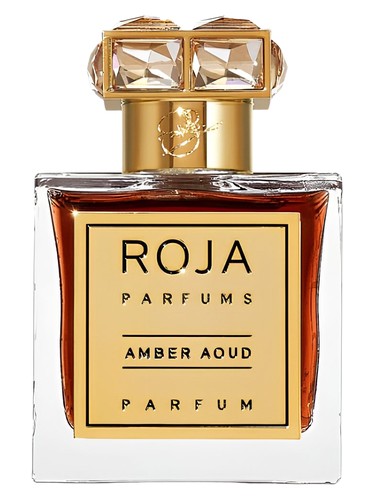
The listed similar fragrances provide useful context. Amber Aoud, another Roja Dove creation, shares the animalic richness and amber depth. Chypre Palatin by MDCI offers comparable vintage-inspired oakmoss sophistication. Musc Ravageur brings similar musky sensuality, while Tauer''s L''Air du Désert Marocain shares the spiced, resinous complexity. The Baccarat Rouge 540 comparison is perhaps most surprising, suggesting Diaghilev possesses that same polarizing luxury appeal, though achieved through entirely different means.
Where Diaghilev distinguishes itself is in its maximalist approach—it doesn''t do subtle variations on a theme. Instead, it throws everything at you simultaneously: flowers, animalics, leather, resins, woods, spices. It''s perfumery as grand opera.
The Bottom Line
Diaghilev is a challenging masterpiece—emphasis on both words. The technical execution is undeniable, the materials clearly luxurious, and the 4.29/5 rating from over 1,700 voters suggests it succeeds on its own ambitious terms. But this isn''t a fragrance that courts universal approval.
The value proposition is difficult. Roja Dove''s pricing positions this firmly in the ultra-luxury category, where expectations are sky-high. You''re paying not just for a scent, but for uncompromising perfumery vision and presumably exceptional materials, particularly that genuine civet note.
Who should seek this out? Those who find modern fragrances too restrained, who want their perfume to make a statement rather than whisper politely. Vintage chypre lovers curious about contemporary interpretations. Anyone who believes fragrance should be art first, wearability second.
Who should avoid it? Scent minimalists, animalic-phobes, and anyone seeking versatile daily wear. At this price point, you need to love it unconditionally—and Diaghilev seems designed to provoke strong reactions rather than comfortable affection.
Sample first, absolutely. But if it clicks, you''ll understand why Diaghilev bears the name of a man who revolutionized art through fearless, uncompromising vision.
AI-generated editorial review