First Impressions
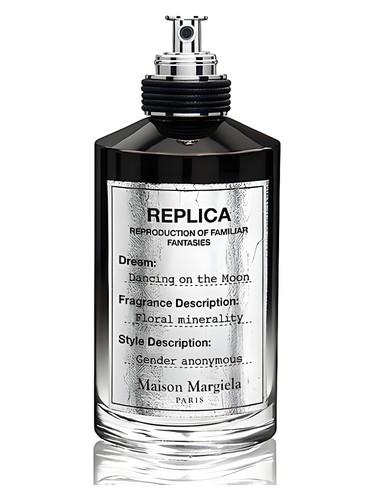
The first breath of Dancing On The Moon feels like stepping into a cloud of vintage glamour that''s been reimagined for modern sensibilities. That initial spray releases a burst of aldehydes—not the soapy, sharp aldehydes of mid-century classics, but something softer, more diffused, like light refracting through gossamer fabric. There''s an immediate sense of lift, of something intangible becoming tangible. The opening speaks the language of classic femininity, but with a contemporary accent that keeps it from feeling like a museum piece. Within moments, you understand the name: this is perfume as anti-gravity, a scent that seems to hover just above the skin rather than settle into it.
The Scent Profile
The aldehydic introduction, while prominent, serves as a translucent veil rather than a statement piece. These aldehydes create sparkle without sharpness, effervescence without bite. They''re the shimmer on champagne rather than the pop of the cork—a subtle but essential brightness that prepares you for what follows.
As Dancing On The Moon settles, the heart reveals itself as a trio of white and pale flowers orchestrated with remarkable restraint. Frangipani brings its creamy, tropical sweetness, but here it''s muted, almost whispered. Jasmine sambac adds that characteristic indolic richness, that hint of something almost animalic beneath the petals, while iris contributes its signature powdery-rooty quality—that peculiar coolness that reads as both earthy and ethereal. The interplay is fascinating: the warmth of frangipani against the coolness of iris, with jasmine sambac acting as bridge between the two temperatures. This isn''t a heady, intoxicating white floral; it''s a meditation on white flowers, abstracted and softened.
The base is where Dancing On The Moon reveals its true character. Cashmeran brings that distinctive musky-woody warmth with its soft, almost fuzzy texture. Musk amplifies the skin-like quality, creating that "your skin but better" effect that defines modern perfumery. Ambergris—whether natural or synthetic—adds subtle salinity and a peculiar luminosity that keeps the composition from becoming too sweet or too heavy. Together, these base notes create a foundation that''s substantial yet weightless, present without being imposing. The powdery quality intensifies here, but never tips into vintage dressing-table territory. Instead, it feels like cashmere against bare skin, like talc after a bath in the best possible way.
Character & Occasion
The community data tells a compelling story about versatility. With equal strength in spring and fall (87% each), Dancing On The Moon clearly thrives in transitional weather—those moments when the air itself feels suspended between seasons. Summer wears it well at 67%, suggesting this isn''t a fragrance that wilts in warmth, though it may feel a touch powdery for tropical heat. Winter comes in at 59%, indicating this might not be your first choice for the coldest months when heavier, richer compositions typically dominate.
The day versus night split (100% day, 77% night) reveals its true calling: this is fundamentally a daytime fragrance that can stretch into evening without feeling out of place. It''s ideal for situations requiring sophistication without formality—brunch meetings, gallery openings, afternoon events that might extend past sunset. The musky-powdery character makes it office-appropriate, while the floral heart keeps it from feeling too austere or minimalist.
This is a fragrance for someone who appreciates subtlety, who wants to smell elegant rather than noticeable. It suits those who''ve perhaps grown tired of fruit-forward crowd-pleasers or syrupy sweet compositions, seeking instead something with a bit more restraint and architectural interest.
Community Verdict
With a rating of 3.68 out of 5 from 750 votes, Dancing On The Moon occupies interesting territory. It''s solidly above average—this isn''t a controversial or polarizing composition—but it hasn''t achieved cult status either. That rating suggests a fragrance that''s well-executed and pleasant, earning respect rather than passionate devotion. For context, this is exactly the kind of score that indicates a reliable, wearable perfume that might not blow you away on first spray but could easily become a daily comfort. The substantial vote count (750) lends credibility to that assessment—this isn''t a niche obscurity with only a handful of reviews.
How It Compares
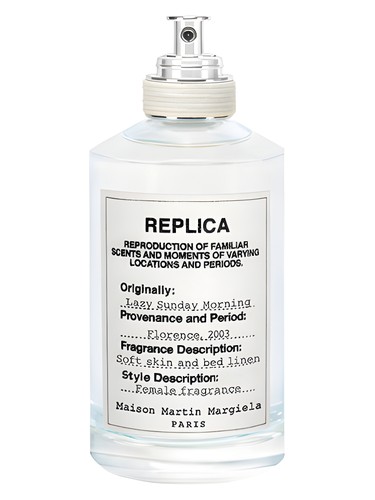
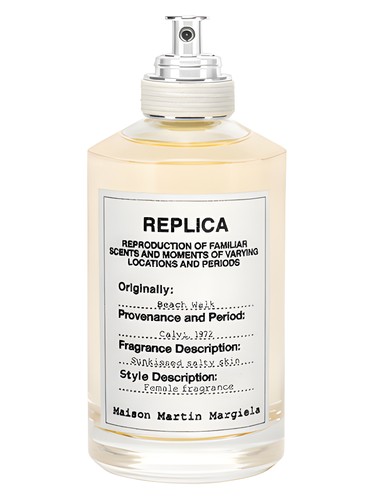
The comparison to Narciso Rodriguez For Her makes immediate sense—both explore that musky-powdery-floral territory with similar restraint. Lazy Sunday Morning, another Maison Martin Margiela creation, shares DNA but leans more into freshness and simplicity. The mention of Alien and Baccarat Rouge 540 might initially seem puzzling—these are bolder, more distinctive fragrances—but they share that quality of creating a soft, enveloping aura around the wearer. Beach Walk, yet another MMM fragrance, connects through that same minimalist approach to composition, though obviously headed in a completely different olfactory direction.
Where Dancing On The Moon distinguishes itself is in its particular balance: it''s more floral than Narciso Rodriguez For Her, more sophisticated than Beach Walk, more wearable than Alien, more subtle than Baccarat Rouge 540.
The Bottom Line
Dancing On The Moon won''t change your life, but it might quietly improve your daily routine. At 3.68 stars, it delivers exactly what it promises: an elegant, well-crafted floral musk with enough powdery character to feel distinctive and enough restraint to wear frequently. This is a fragrance that rewards patient wearing rather than demanding immediate attention.
Who should seek this out? Anyone drawn to the Narciso Rodriguez aesthetic but wanting more floral presence. Those who love iris but find straight iris fragrances too austere. People searching for a sophisticated signature scent that never shouts. If you''ve been disappointed by fragrances that smell beautiful in the bottle but disappear on skin, the substantial musk and cashmeran base here provides genuine longevity.
The main caveat: if you crave projection and sillage, if you want people across the room to ask what you''re wearing, look elsewhere. Dancing On The Moon lives in the intimate zone—gorgeous for you and those close to you, invisible to the broader world. For some, that''s precisely the point.
AI-generated editorial review