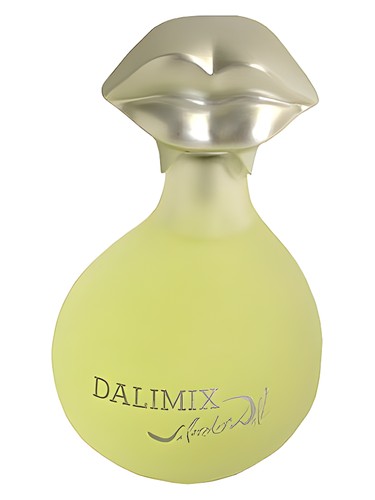
First Impressions
The first spray of Dalimix feels like biting into a perfectly ripe peach at a Mediterranean fruit stand, juice running down your chin as citrus and melon notes dance around the stone fruit''s sweetness. There''s an immediate sunshine quality here—bright, optimistic, unapologetically cheerful. But wait a moment, and you''ll notice this isn''t your typical fruity fragrance. Something woodier, more grounded lurks beneath that initial burst of summery exuberance. It''s this duality that makes Dalimix intriguing: a fragrance that could have been straightforward instead reveals the same playful complexity that defined its namesake artist''s work.
Created in 1996 during the height of the fruity floral boom, Dalimix arrived when perfumers were experimenting with juicier, more accessible compositions. Yet true to Salvador Dalí''s surrealist legacy, this fragrance refuses to be entirely conventional. The fruity opening may draw you in with familiar warmth, but the woody-mossy foundation keeps you guessing.
The Scent Profile
Dalimix opens with a trifecta of orchard and tropical fruits: mandarin orange provides zesty brightness, while melon adds an aqueous, dewy quality that keeps the sweetness from becoming cloying. The peach note dominates this opening act, full-bodied and almost tactile in its realism. These top notes create an immediate impression of summer abundance—think farmers'' markets overflowing with produce rather than artificial fruit candy.
As the fragrance settles into its heart, the composition takes an unexpected turn. Delicate florals emerge: rose adds a classic feminine softness, while cyclamen contributes a green, slightly peppery freshness that cuts through the fruit. The mignonette—a less common perfume ingredient—brings a subtle, sweet-spicy quality that bridges the gap between the juicy opening and what''s to come. This middle phase is where Dalimix shows its sophistication; the florals don''t simply layer over the fruit but instead begin to transform the fragrance''s character entirely.
The base is where Dalimix truly distinguishes itself from other fruity florals of its era. Oakmoss and cedar create a woody, almost chypre-like foundation that feels distinctly vintage in the best possible way. Sandalwood adds creamy warmth, while the raspberry note—unusually placed in the base—creates an intriguing fruit-and-wood fusion that shouldn''t work but somehow does. This woody-mossy drydown, representing 97% and 60% of the main accords respectively, gives Dalimix a longevity and depth that many fruit-forward fragrances lack entirely.
Character & Occasion
The community data tells a clear story: Dalimix is overwhelmingly a daytime fragrance, with 100% day wear suitability versus just 12% for evening. This makes perfect sense given its bright, approachable nature. This is a perfume for brunches, garden parties, weekend errands, and casual office environments. It''s the olfactory equivalent of a sundress and sandals—effortlessly charming without trying too hard.
Seasonally, Dalimix truly shines in summer (85% suitability) and spring (76%), though it can transition into early fall (26%) when temperatures remain warm. Winter wear (18%) would be a stretch; this fragrance craves sunshine and warm skin. The fruity-floral composition needs heat to bloom properly, and wearing it during colder months might leave it feeling flat or out of sync with the weather.
Who is Dalimix for? The woman who wants something cheerful and wearable but isn''t interested in overly safe, generic fruity florals. Someone who appreciates a fragrance with personality—perhaps a bit quirky, definitely optimistic, but with enough substance to remain interesting throughout the day.
Community Verdict
With a solid 3.87 out of 5 stars from 592 votes, Dalimix sits comfortably in "very good" territory. This isn''t a polarizing masterpiece that divides opinion, nor is it a forgettable also-ran. Instead, it''s earned a reputation as a reliable, well-constructed fragrance that delivers exactly what it promises while offering a few pleasant surprises along the way.
The rating suggests a fragrance that people genuinely enjoy wearing rather than one that simply garners respect or admiration. It''s the difference between a perfume you appreciate intellectually and one you actually reach for on a sunny Saturday morning.
How It Compares
Dalimix shares DNA with several beloved fragrances from the 1990s and early 2000s. Its fruit-forward opening and woody base place it in conversation with Dolce & Gabbana''s Light Blue, though Dalimix leans sweeter and less aquatic. Salvador Dalí''s own Laguna explores similar territory, while L''Eau par Kenzo and Dior''s Dune offer different takes on fruity-fresh compositions with substance.
Where Dalimix distinguishes itself is in that unexpected woody-mossy base. While many fruity florals from this era remained linear and sweet from start to finish, Dalimix''s oakmoss and cedar foundation gives it a complexity that feels more aligned with classic perfumery than with fleeting trends. It''s simultaneously of its time and slightly outside it—a fitting tribute to Dalí''s artistic approach.
The Bottom Line
Dalimix deserves its 3.87 rating: it''s a well-executed fruity-woody floral that offers more complexity than initial impressions might suggest. For vintage fragrance lovers seeking something from the ''90s that hasn''t been reformulated into oblivion, or for anyone wanting a cheerful summer scent with actual depth, this is worth exploring.
The value proposition here is excellent. As a Salvador Dalí fragrance, it typically retails at accessible price points, making it an easy recommendation for those building a warm-weather rotation. It won''t be the most sophisticated or challenging fragrance in your collection, but it might very well be the one you wear most often when the sun comes out.
Try Dalimix if you want something unabashedly fruity that doesn''t sacrifice longevity or development for that juicy opening. Skip it if you prefer austere, minimalist compositions or need something suitable for formal evening wear. This is sunshine in a bottle—unpretentious, cheerful, and surprisingly well-crafted.
AI-generated editorial review