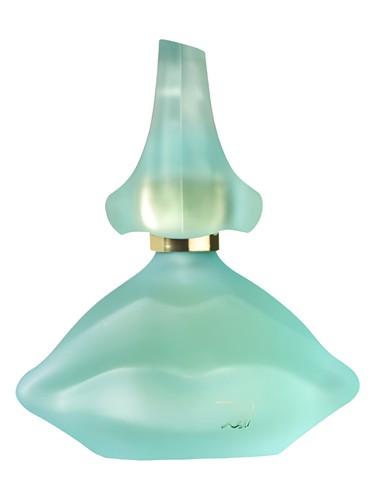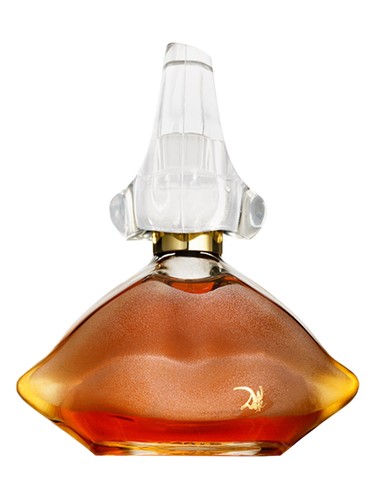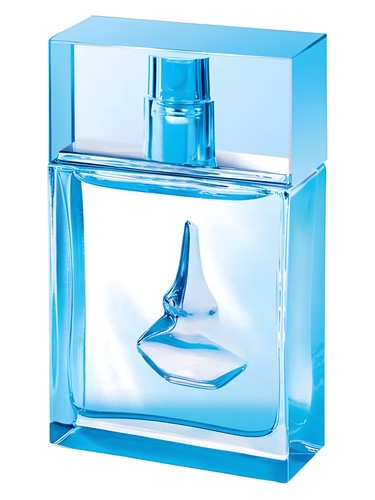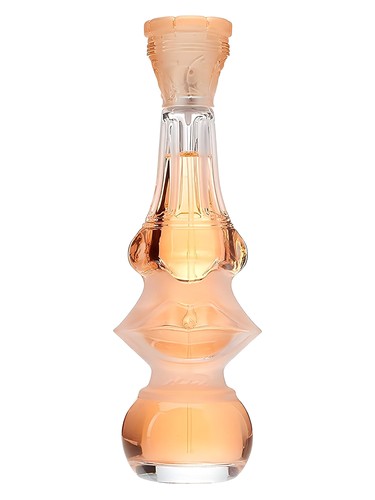
First Impressions
The first spray of Dali Wild is an unapologetic announcement. A wave of creamy white florals surges forward, backed by an unexpected verdant brightness that keeps the composition from toppling into cloying territory. This is tuberose with its volume turned up—not the polite, whispered kind found in delicate soliflores, but the kind that fills a room and lingers in doorways. The yuzu adds a tart, almost electric edge to the opening, while gardenia lends its buttery richness. It''s the olfactory equivalent of a Dalí painting: bold, surreal, and impossible to ignore.
What strikes you immediately is the intensity. The white floral accord registers at 100%, and you feel every percentage point of it. This isn''t a fragrance that apologizes for its presence. Green notes weave through the heady blooms like stems and leaves crushed underfoot in a greenhouse—necessary, grounding, but never quite taming the exotic florals that dominate the composition.
The Scent Profile
The opening movement belongs to tuberose and gardenia, two of perfumery''s most voluptuous white flowers. They arrive together in a creamy, almost narcotic embrace, softened by the citrus brightness of yuzu. This Japanese citrus fruit brings an unexpected sophistication to what could have been an overwhelmingly sweet start. The green notes act as a counterweight, introducing a freshness that suggests dew on petals rather than flowers in full, heated bloom.
As Dali Wild settles into its heart, jasmine joins the floral chorus alongside magnolia. Here''s where things get interesting: rather than simply piling on more flowers, the composition introduces musk at this stage. It''s an unusual choice that adds skin-like warmth and a subtle animalic quality to the bouquet. The magnolia brings a lemony facet and a cleaner floral expression that lightens the dense tuberose foundation. This middle phase is where the fragrance breathes most easily, where the initial intensity gives way to something more wearable, though still undeniably present.
The base notes reveal the "wild" in the name more clearly. Woody notes and mahogany create a foundation that''s surprisingly robust for what begins as a pure white floral. This isn''t the soft, ambered woods you might expect beneath such feminine blooms—the mahogany brings a darker, almost furniture-polish richness that grounds the composition with unexpected weight. The woody accord, registering at 58%, provides genuine structure, transforming what could have been a fleeting floral into something with real staying power.
Character & Occasion
The community data tells a clear story about when Dali Wild thrives: this is overwhelmingly a spring fragrance (85%), with strong fall performance (74%) as well. It makes perfect sense. Those shoulder seasons offer the moderate temperatures where white florals can bloom on skin without becoming suffocating. Summer wearability sits at just 54%, and you can understand why—this much tuberose in heat becomes almost too much of a good thing. Winter, at 26%, isn''t really this fragrance''s natural habitat.
The day versus night split is equally telling: 100% day, dropping to just 33% night. Dali Wild reads as a daytime statement fragrance, the kind you wear to make an impression at brunch, to a garden party, or during a spring workday when you want to feel particularly feminine and bold. The intensity that makes it perfect for daylight hours can overwhelm in intimate evening settings.
This is a fragrance for someone who enjoys white florals without reservation—who doesn''t want them softened or modernized or made safe. It asks for confidence in the wearer, someone comfortable with a fragrance that announces their arrival. It skews more mature in sensibility, despite the "wild" moniker suggesting youthful abandon.
Community Verdict
With a rating of 3.6 out of 5 stars from 551 voters, Dali Wild occupies interesting territory. This isn''t a universally beloved masterpiece, nor is it dismissed as forgettable. That rating suggests a fragrance that divides opinion—exactly what you''d expect from something this bold. The relatively robust vote count indicates genuine interest and engagement; people aren''t indifferent to this scent.
The rating likely reflects the polarizing nature of powerful white florals. Those who love this genre probably rate it higher, while those who find tuberose challenging bring the average down. It''s a respectable showing for what is ultimately a daring composition that refuses to play it safe.
How It Compares
The comparison fragrances reveal Dali Wild''s positioning in the white floral landscape. It shares DNA with Givenchy''s Organza and Amarige—both known for their uncompromising floral intensity. Pure Poison by Dior and Alien by Mugler suggest the slightly transgressive quality Dali Wild possesses, while 5th Avenue by Elizabeth Arden points to a certain polished femininity.
What separates Dali Wild is its woody foundation and that persistent green thread. It''s less overtly sensual than Pure Poison, less extraterrestrial than Alien, more daring than 5th Avenue. Among its peers, it offers a particularly good value proposition, delivering a full-bodied white floral experience at a significantly lower price point than the Dior or Mugler alternatives.
The Bottom Line
Dali Wild won''t be everyone''s cup of tea, and it doesn''t try to be. This is a specialized fragrance for those who genuinely love white florals—particularly tuberose and gardenia—and want to wear them with conviction. The 3.6 rating is honest: this isn''t a safe, crowd-pleasing fragrance, but rather one that rewards those whose tastes align with its bold vision.
The value proposition is strong. You''re getting legitimate white floral intensity at a price that makes experimentation low-risk. If you''ve enjoyed any of its more expensive cousins—particularly Organza or Amarige—Dali Wild deserves your attention. Save it for spring and fall days when you want to feel uncompromisingly feminine, when subtlety isn''t the goal, and when your confidence can match the fragrance''s intensity.
This is Salvador Dalí translated into scent: artistic, memorable, and unapologetically itself.
AI-generated editorial review