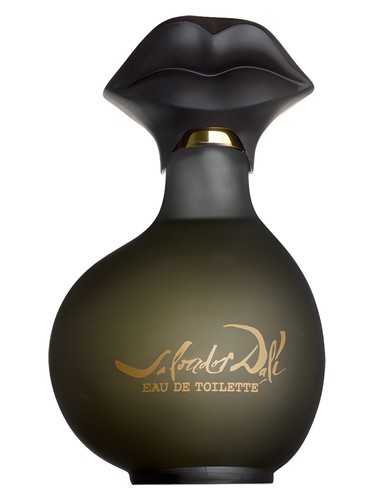
First Impressions
The first spray of Dali Parfum feels like stepping into a dimly lit temple where frankincense mingles with the sharp sweetness of cloves. This isn''t a fragrance that whispers—it announces itself with the confidence of its namesake artist, swirling bergamot citrus through tendrils of smoke. The opening is unmistakably warm and spicy, hitting that dominant accord at full strength from the very beginning. There''s an immediate richness here, a complexity that suggests layers upon layers waiting to unfold. The incense doesn''t read as purely ecclesiastical; instead, it''s tempered by the cloves'' aromatic heat and brightened by bergamot''s fleeting citrus spark, creating an introduction that''s both comforting and provocative.
The Scent Profile
The opening trilogy of incense, cloves, and bergamot creates a fascinating tension. The incense lays down a smoky, resinous foundation that immediately signals this perfume''s serious intentions, while cloves add a spiced warmth that borders on carnation-like floralcy. Bergamot provides the only real brightness here, a brief flash of citrus that quickly surrenders to the deeper elements gathering strength beneath.
As Dali Parfum settles into its heart, a lush floral bouquet emerges through the spice-smoke veil. Jasmine takes center stage, its indolic richness playing beautifully against the lingering incense from the opening. Rose adds a classic elegance, preventing the composition from veering too heavily into oriental territory, while mimosa contributes a soft, powdery quality that begins to hint at the fragrance''s evolution. This floral heart doesn''t stand in opposition to the spicy opening—rather, it weaves through it, creating a tapestry where no single element dominates completely. The flowers here feel warmed by the spices, almost as if they''re blooming in candlelight rather than sunshine.
The base develops into a woody, balsamic embrace that explains why this fragrance scores so highly on warm spicy and woody accords. The sandalwood (though cut off in the data, clearly present in the composition) provides a creamy, almost buttery smoothness that grounds the entire composition. The balsamic qualities deepen the sweetness without turning sugary, while that smoky character from the opening never quite disappears—it simply becomes more refined, more integrated into the whole. The powdery aspect becomes more pronounced in the dry-down, creating a vintage-feeling haze that sits close to the skin with remarkable tenacity.
Character & Occasion
With near-perfect scores for both winter (98%) and fall (98%), Dali Parfum makes its seasonal preferences abundantly clear. This is a cold-weather companion through and through, the kind of fragrance that feels right when you''re wrapped in wool and the air carries a chill. Those warm spicy and woody accords that define its character simply don''t suit summer''s heat—only 15% of wearers reach for it then, and for good reason.
The day/night breakdown tells an equally clear story: while 43% find it wearable during daylight hours, it reaches its full potential after dark, scoring 100% for evening wear. This is a fragrance for dinner reservations, gallery openings, intimate gatherings where the lighting is low and conversation runs deep. The incense and spice create an enveloping aura that suits close quarters and contemplative moods.
As a feminine fragrance from 1983, Dali Parfum carries the bold signature of its era—when perfumes were unapologetically rich and complex. Modern wearers who appreciate vintage character and aren''t afraid of presence will find much to love here. This isn''t for someone seeking a fresh, office-safe signature; it''s for those who understand that fragrance can be as expressive and unconventional as a Dali painting.
Community Verdict
A rating of 4.18 out of 5 from 968 votes represents a strong community endorsement, particularly for a fragrance that''s now over four decades old. This isn''t a niche curiosity with a handful of admirers—nearly a thousand people have weighed in, and the consensus is decisively positive. That this fragrance maintains such regard speaks to its quality and staying power in a market constantly chasing the next release. The voting base suggests a dedicated following who understand and appreciate what Dali Parfum offers: uncompromising richness, vintage sophistication, and genuine artistic vision translated into scent.
How It Compares
Dali Parfum sits comfortably in the company of iconic warm spicy orientals. Its kinship with Yves Saint Laurent''s Opium (1977) makes perfect sense—both share that warm spice dominance, balsamic richness, and unapologetic intensity. The connection to Lancôme''s Magie Noire suggests a similar dark sophistication, while Dior''s Dune offers a slightly more contemporary, airier interpretation of some similar themes. The inclusion of Dali Parfum de Toilette among its similars indicates that the brand successfully translated this formula across concentrations, though this parfum concentration surely delivers maximum impact.
What sets Dali Parfum apart is its artistic pedigree and that distinctive incense-forward opening. While Opium leans more heavily into spice and resin, Dali opens with that temple-like smokiness that gives it a slightly more contemplative, mysterious character.
The Bottom Line
Dali Parfum earns its 4.18 rating honestly. This is a fragrance of genuine substance, complexity, and character—qualities that never go out of style, even if the particular style itself falls in and out of fashion. For those who love vintage orientals, who appreciate when perfume makes a statement rather than a suggestion, this is essential exploring. The parfum concentration delivers richness and longevity that justify seeking it out specifically.
It''s not for everyone, nor does it pretend to be. The warm spice dominance and heavy incense opening will overwhelm those accustomed to modern sheer florals or fresh citruses. But for the right wearer—someone who understands that perfume can be art, who doesn''t shy from intensity, who wants something genuinely distinctive—Dali Parfum offers a surrealist dream worth living in, at least until spring arrives.
AI-generated editorial review