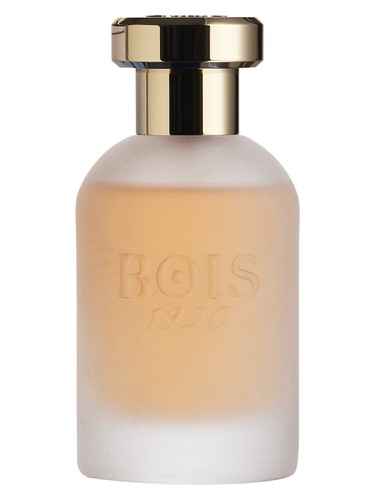
First Impressions
The first spray of Come L''Amore announces itself with an unexpected brightness—not the heavy, indolic presence you might expect from a perfume that registers at 100% white floral intensity. Instead, there''s a sparkling introduction of freesia and tangerine mingling with the subtle, aqueous quality of white tea and the golden sweetness of mirabelle plum. It''s as if you''ve walked into a conservatory where citrus trees grow alongside flowering vines, the air alive with both zest and petal. This opening feels optimistic, almost effervescent, promising something both sophisticated and genuinely joyful.
The name translates to "like love," and there''s something in this initial moment that captures love''s early stages—bright, light-filled, brimming with possibility. The white tea note deserves particular mention here; it adds a clean, modern framework that prevents the composition from tilting into vintage territory, despite the classicism of what''s to come.
The Scent Profile
As Come L''Amore settles into its heart, the full magnitude of its floral ambition becomes clear. This is where the fragrance truly earns its 100% white floral classification. A triumvirate of lily, gardenia, and jasmine forms the core, but Bois 1920 doesn''t stop there—Egyptian jasmine joins its French cousin, while syringa (lilac) and Grasse rose weave through the composition, creating layers upon layers of bloom. Pink pepper threads through this botanical abundance, adding just enough prickle to keep the florals from becoming cloying.
The gardenia here feels particularly well-rendered—creamy and lush without the soapy qualities that sometimes plague synthetic versions. The jasmine maintains a surprising delicacy despite appearing twice in the formula; this isn''t the fierce, narcotic jasmine of vintage Orientals but something more approachable, more daylight-friendly. The lily contributes a green freshness (reflected in the 18% green accord rating) that acts as a counterbalance to all that richness.
The base gradually introduces grounding elements: benzoin brings a subtle resinous warmth, Virginia cedar adds woody structure, and white musk softens everything into a second-skin intimacy. These base notes never dominate—they''re content to play supporting roles, ensuring the florals remain the stars of the show from first spray to final fadedown. The 15% animalic accord registers as more of a warm-skin quality than anything overtly sensual or challenging.
Character & Occasion
The community data reveals something interesting about Come L''Amore: it''s a fragrance with strong opinions about when it wants to be worn. Spring claims a perfect 100% seasonality score, and honestly, this makes complete sense. This is a perfume that understands the particular quality of spring light—that crystalline brightness that makes colors seem more vivid, scents more immediate.
But it''s not exclusively a spring fragrance. Fall scores a respectable 69%, suggesting it translates beautifully to those early autumn days when the light turns golden and there''s still warmth in the air. Summer at 65% indicates it can handle heat, likely thanks to that fresh opening and the absence of heavy amber or vanilla. Winter''s 33% showing simply confirms what the nose already knows—this isn''t a fragrance built for cold weather introspection.
The day/night split tells its own story: 96% day versus 50% night. Come L''Amore is fundamentally a daytime composition, most at home in natural light, though it certainly has the sophistication and presence to transition into evening if the occasion calls for it. This is the fragrance for long lunches in garden restaurants, outdoor weddings, gallery openings that start at 4 PM, weekend brunches where you want to feel polished but not overdressed.
As a feminine fragrance, it skews traditional in the best sense—unabashedly floral without apology, but rendered with enough modern sensibility to feel relevant rather than dated.
Community Verdict
With a solid 4.2 out of 5 stars from 402 reviewers, Come L''Amore has clearly found its audience. This isn''t a niche curiosity with a handful of devotees; it''s a fragrance that has been tested, worn, and genuinely appreciated by a substantial community. That rating suggests a well-executed, wearable perfume that delivers on its promises without major weaknesses or polarizing elements.
The vote count indicates this is somewhat of a hidden gem—not obscure, but not commanding the thousands of reviews that mainstream releases generate. For those willing to look beyond the usual suspects, there''s a rewarding discovery waiting here.
How It Compares
The comparison to Honour Woman by Amouage makes immediate sense—both share that luminous white floral character rendered with careful restraint. The mention of Lancôme''s Poème is equally apt; both fragrances understand how to build a floral composition with classical bones and modern wearability. The Chanel Coco Mademoiselle comparison might initially seem surprising given that fragrance''s patchouli-citrus signature, but they share a similar sophisticated-yet-approachable philosophy and a knack for balancing freshness with depth.
Where Come L''Amore distinguishes itself is in its generosity—this is a more abundantly floral composition than most of its peers, more willing to let the flowers be flowers without excessive woody, amber, or gourmand modifiers.
The Bottom Line
Come L''Amore represents Bois 1920 working confidently within the white floral tradition while bringing enough freshness and modern sensibility to justify its place in a contemporary wardrobe. At 4.2 stars, it''s a fragrance that over-delivers on expectations—technically accomplished, beautiful to wear, and surprisingly versatile despite its strong floral identity.
This is a must-try for anyone who loves jasmine, gardenia, or lily but has felt burned by fragrances that go too heavy or too synthetic. It''s also worth exploring if you''ve been curious about Bois 1920 as a house but haven''t known where to start. While pricing varies depending on retailer, it typically offers strong value within the niche category—this is the kind of quality usually reserved for significantly more expensive bottles.
If you''re the type who lights up at the first warm day of spring, who understands that florals can be powerful without being overwhelming, Come L''Amore deserves a place on your testing list.
AI-generated editorial review