First Impressions
The first spray of Colonia Intensa announces itself with an unmistakable burst of Calabrian bergamot, but this isn''t your typical Italian cologne. Within seconds, a warm ginger note emerges—not the sharp, candied ginger of modern fragrances, but something remarkably realistic and almost earthy. Sicilian lemon adds brightness while cardamom weaves through with exotic warmth. This opening is a masterclass in balance: citrus-forward at 100% on the accord scale, yet simultaneously fresh-spicy at 73%, creating an immediate tension between Mediterranean sunshine and Eastern spice markets. It''s the kind of opening that stops conversations, commanding attention without shouting.
The Scent Profile
Acqua di Parma built Colonia Intensa on the foundation of their century-old cologne legacy, but with considerably more muscle. The top notes—that triumphant combination of Calabrian bergamot, ginger, cardamom, and Sicilian lemon—maintain their grip for a surprisingly long time. The ginger, in particular, deserves special mention; it reads as fresh root rather than the synthetic ginger ale note that plagues lesser fragrances.
As the composition settles into its heart, neroli brings a bitter-green floral quality that''s classically Mediterranean, while artemisia adds an aromatic, almost medicinal facet that pushes this firmly into masculine territory. Myrtle, less common in modern perfumery, contributes a subtle, resinous greenness. This heart phase is where the aromatic accord (64%) comes fully into play, creating a bridge between the opening''s sparkle and what''s to come.
The base is where opinions diverge sharply. Leather, cedar, benzoin, musk, and patchouli create a warm, woody foundation (42% woody accord, 55% warm spicy) that anchors all that citrus energy. The leather isn''t aggressive—think supple Italian goods rather than motorcycle jackets—but it''s undeniably present. Cedar and patchouli add a classic masculine signature, while benzoin softens everything with subtle sweetness and musk provides diffusion. This is traditional Italian perfumery at its finest: balanced, refined, and utterly unapologetic about its heritage.
Character & Occasion
The data tells a clear story: Colonia Intensa is a warm-weather warrior. Summer scores 98% and spring 96%, making it nearly mandatory for the warmer months. Fall drops to 56%, and winter barely registers at 20%—that citrus-forward profile simply doesn''t have the heft for cold weather.
This is overwhelmingly a daytime fragrance, scoring 100% for day wear versus just 38% for evening. Picture it in Mediterranean sunshine, at a business lunch in Milan, during a summer wedding on the Amalfi Coast, or in a climate-controlled office where its projection won''t overwhelm. The community specifically identifies it as ideal for office and professional settings, as well as classic and formal occasions.
But here''s where it gets interesting: who should wear it? The community is remarkably consistent—this skews toward older demographics and mature wearers. It''s for those who appreciate traditional Italian fragrance heritage, who understand the century-plus legacy Acqua di Parma represents. If you''re seeking something contemporary or trend-forward, this isn''t your fragrance.
Community Verdict
Based on 19 opinions from the Reddit fragrance community, Colonia Intensa receives decidedly mixed sentiment, scoring 6.5 out of 10. This isn''t about quality—everyone acknowledges this is excellently crafted niche perfumery. The division is entirely generational.
The pros are substantial: that beautiful, realistic ginger opening wins universal praise. The classic, timeless nature of the scent and its connection to over a century of Italian cologne-making heritage resonates with those who value tradition. It''s well-crafted with clear niche fragrance quality, and its versatility for traditional occasions makes it a reliable choice for formal settings.
The cons, however, are equally clear-cut. Younger users consistently find the dry down dated or "old-mannish." The classic and traditional profile, while a selling point for some, reads as stuffy or overly conservative to contemporary tastes. Multiple commenters note it''s simply not ideal for younger wearers seeking modern aesthetics.
The community summary crystallizes the issue: this is an inter-generational fragrance divide. The opening''s quality is universally acknowledged, the classic status respected, but younger consumers find it disconnected from contemporary sensibilities. It appeals to mature tastes over younger ones—full stop.
How It Compares
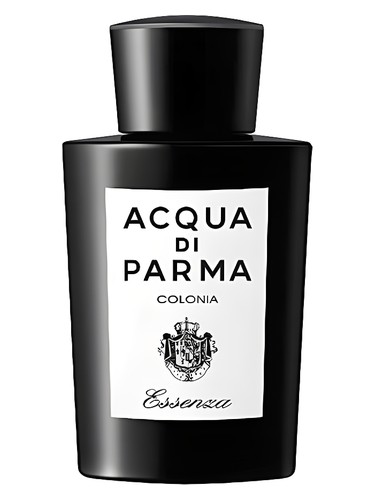
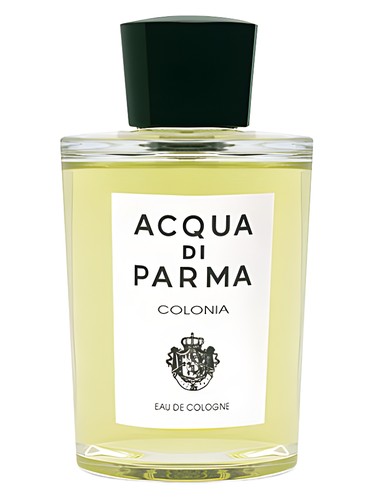
Colonia Intensa exists in distinguished company. Its similar fragrances include Bleu de Chanel, the original Acqua di Parma Colonia, L''Eau d''Issey Pour Homme, Eau Sauvage, and Essenza di Colonia. These comparisons reveal its positioning: classic citrus masculines with heritage credentials.
Where Bleu de Chanel went modern and captured a younger audience, Colonia Intensa stayed true to traditional Italian cologne structure. It''s more robust than the original Acqua di Parma Colonia but shares DNA. Compared to Eau Sauvage''s austere elegance, this is warmer and more approachable, though equally classic in intent.
The Bottom Line
With a rating of 4.26 out of 5 from 2,230 votes, Colonia Intensa is objectively well-regarded. That''s a strong score reflecting serious craftsmanship and quality ingredients. But numbers don''t tell the whole story.
This is a fragrance for those who already know they appreciate classic Italian perfumery. If you''re over 40, if you own tailored linen suits, if you vacation in Portofino rather than Tulum, Colonia Intensa will feel like a homecoming. The ginger opening alone is worth experiencing, and the overall composition demonstrates why Acqua di Parma commands respect.
But if you''re in your twenties or thirties and gravitating toward contemporary releases, approach with caution. Sample first. That leather-cedar-patchouli base that reads as sophisticated refinement to mature wearers may register as your grandfather''s cologne to you. There''s nothing wrong with it—it''s just speaking a different generational language.
Value-wise, expect to pay niche prices for niche quality. You''re buying Italian heritage, natural ingredients, and masterful blending. Whether that value proposition works depends entirely on which side of the generational divide you occupy.
AI-generated editorial review